Swiss Scientists Expand Wastewater Surveillance to Detect Disease X and Future Pandemic Threats
Swiss researchers are evolving wastewater surveillance into a universal early warning system designed to detect emerging pandemic threats, including unknown pathogens known as “Disease X.” By shifting from targeted testing to sequencing all genetic material found in sewage, scientists intend to provide hospitals and public health authorities with actionable data on risks before they reach clinical levels.
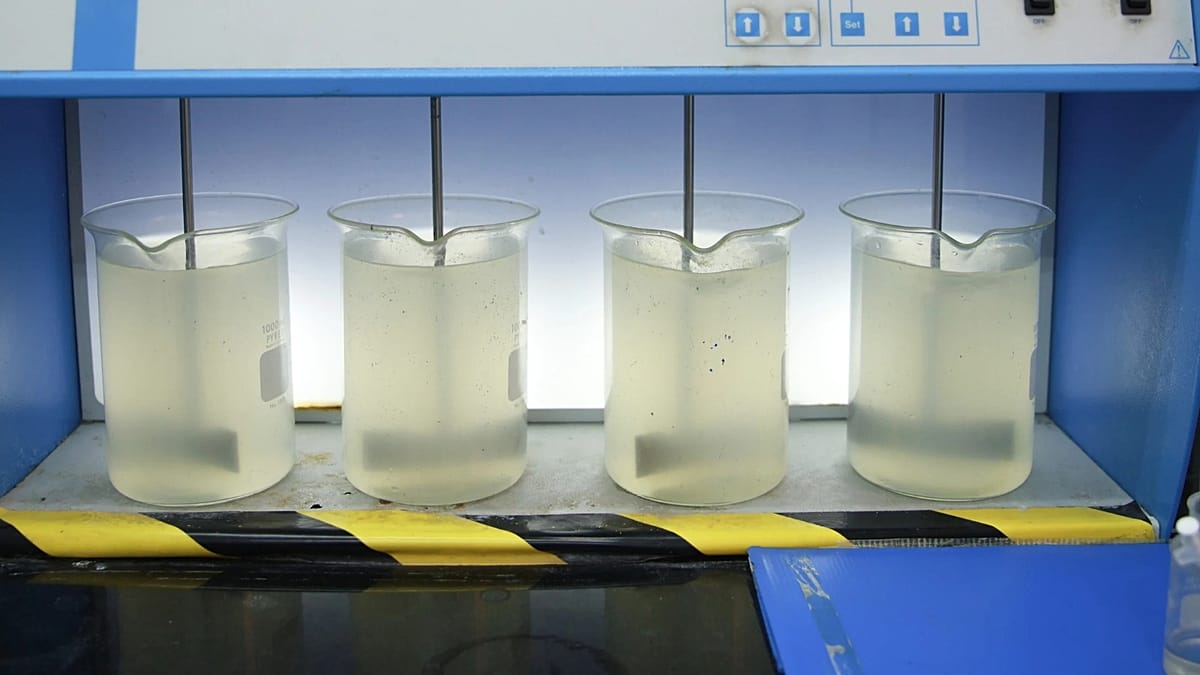
Wastewater monitors traces of viruses shed through routine daily activities. When this water reaches treatment facilities, scientists collect samples to identify circulating pathogens. This method already tracks polioviruses, illegal drugs, and drug-resistant bacteria.
During the COVID-19 pandemic, this process allowed researchers to identify viral variants and track infection waves regardless of whether individuals exhibited symptoms. Currently, Swiss researchers monitor coronaviruses, influenza, and respiratory syncytial virus (RSV) across 10 treatment plants. These sites cover approximately 22% of the Swiss population, a decrease from the roughly 100 plants utilized during the height of the pandemic.
Broadening the Surveillance Net
Tanja Stadler, head of the Department of Biosystems Science and Engineering at ETH Zürich, leads the effort to evolve these methods. While her team currently filters wastewater specifically for SARS-CoV-2, the proposed transition involves sequencing every virus found in the samples, including previously unknown strains.
“If there is then some pathogen X, a new pandemic strain, we would capture it as much as influenza or SARS-CoV-2,” Stadler said.
Beyond simple detection, sequencing allows scientists to determine the efficacy of medical countermeasures. Researchers analyze how mutations affect the performance of vaccines and monoclonal antibodies used for infections like RSV.
“Sequences can tell us, are monoclonals or vaccines working well, or do we anticipate there’s a problem, so we should change that in some way?” Stadler said.
She added that if specific mutations are identified, her team can immediately alert public health authorities. This near-real-time data is currently provided to hospitals, pharmaceutical companies, and agencies through a surveillance dashboard. “Occasionally, for whatever reasons, it may be down a couple hours, and we have both clinicians [and] industry then directly emailing: ‘What’s wrong?’” Stadler said. It’s “a good thing that we know it’s being used.”
Distinguishing Pathogen Origins
Stadler is also working to differentiate between viral fragments originating from humans and those from animal sources. For instance, while avian influenza has appeared in animals and occasionally jumped to humans in Europe and North America, there is no evidence of sustained human-to-human transmission.
“That’s a huge pandemic risk,” Stadler said.
If the virus mutates to allow for easy spread between people, it would represent a major global health threat. Future developments could also enable scientists to measure antibodies in sewage, providing clues about community-level immunity.
These advancements are projected to arrive within two to six years, provided that funding for the research remains stable. The timeline for fully implementing these broad-spectrum detection tools remains dependent on ongoing financial support. “Right now, we are going very specific to the pathogens at hand,” Stadler said. “We pretty much filter out everything SARS-CoV-2 (the virus that causes COVID-19), measure how often it is there and how it looks.”