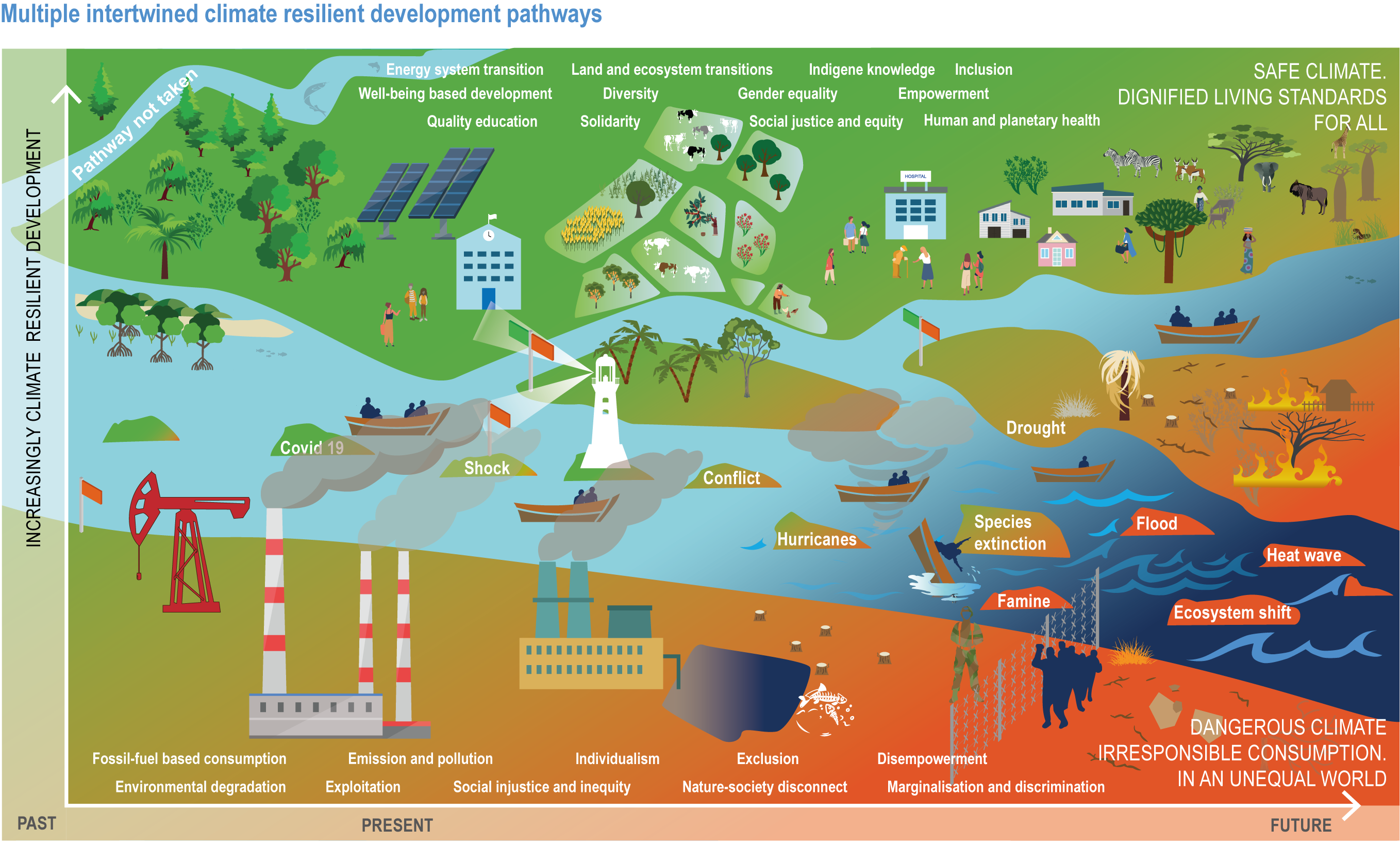
Sustainable Irrigation and Renewable Energy Pathways for Climate Resilient Agriculture
The Executive Summary: US agribusiness faces a critical inflection point in Q2 2026 as rising energy costs and tightening carbon regulations render traditional diesel-powered irrigation economically unviable. The transition to net-zero water management is no longer an environmental preference but a fiscal necessity, driven by the convergence of groundwater scarcity and volatile fuel markets. This report analyzes the three primary capital pathways—agrivoltaics, grid electrification, and efficiency retrofits—available to secure yield stability and protect EBITDA margins against climate volatility.
The era of cheap water is over. For decades, the American agricultural balance sheet relied on the implicit subsidy of unrestricted groundwater access and low-cost diesel. That model has collapsed. In the first quarter of 2026, the operational expenditure (OPEX) profile for major row-crop producers in the High Plains and Central Valley has shifted violently. The culprit is not just drought; it is the energy intensity required to overcome it.
Recent data from the U.S. Energy Information Administration indicates that the carbon intensity of grid electricity is dropping, yet the marginal cost of pumping from declining aquifers is skyrocketing. We are witnessing a decoupling of water availability and energy affordability. For the CFO of a mid-cap agribusiness, the question is no longer about yield per acre, but yield per kilowatt-hour. The “diesel drag” on net income has become a material risk factor that institutional investors can no longer ignore.
The Carbon Cost of Thirst
The financial exposure here is quantifiable and severe. Groundwater pumping is an energy-intensive operation, and in regions reliant on diesel generators, the correlation between fuel volatility and crop margins is nearly perfect. Research published in Nature Communications highlights that global energy use for irrigation has created a significant carbon feedback loop, where the very act of sustaining yields accelerates the climate conditions that threaten them.

Consider the regulatory headwinds. With the EPA tightening reporting requirements under the Greenhouse Gas Reporting Program, Scope 1 emissions from farm machinery are moving from a footnote to a line-item liability. A farm operating inefficient pumps in 2026 is essentially burning cash. The divergence in priorities among nations regarding agricultural sustainability suggests that US producers who fail to decarbonize their water supply chains will face exclusion from premium export markets demanding low-carbon certification.
This creates a specific B2B problem: the capital expenditure (CapEx) required to transition is massive, yet the operational savings are immediate. Most family-owned operations lack the internal engineering bandwidth to navigate this shift. They require external expertise to audit their water-energy nexus. What we have is where specialized agricultural efficiency consultants become critical partners, not just vendors. These firms provide the forensic analysis needed to identify where energy is being wasted in the pumping cycle, turning a vague sustainability goal into a hard ROI calculation.
“The market is punishing inefficiency. If you are pumping water with 2020-era diesel technology in 2026, you are effectively subsidizing your competitors who have switched to solar-hybrid systems. The margin differential is widening every quarter.”
The quote above reflects the sentiment of a senior portfolio manager at a major ag-focused hedge fund, speaking on condition of anonymity. The alpha in agriculture today lies in the optimization of the water-energy interface. It is not enough to simply have water; one must have cheap, clean water.
Three Pathways to Net-Zero Irrigation
The transition is not monolithic. Different geographies and crop types demand different capital allocations. Based on current techno-economic assessments, three distinct models are emerging for the 2026-2030 fiscal cycle.
- The Agrivoltaic Overlay: Dual-use land strategies are gaining traction. By mounting solar arrays over irrigation infrastructure, producers can generate the power needed for pumping while reducing evapotranspiration rates in the crops below. Studies from Nature Sustainability confirm that this symbiotic relationship can boost land productivity by over 60% in arid regions. However, this requires complex zoning approvals and specialized installation partners.
- Grid Electrification with Storage: For operations near transmission lines, switching from diesel to electric pumps is the fastest route to decarbonization. The bottleneck here is grid reliability. Intermittent power can destroy a harvest. The demand for industrial battery storage systems tailored for agricultural loads has surged. This is a play on grid resilience as much as it is on emissions.
- Precision Retrofitting: For capital-constrained entities, a full system replacement is impossible. The alternative is high-efficiency retrofitting. Upgrading to variable frequency drives (VFDs) and smart sensors can reduce energy consumption by 20-30% without novel infrastructure. This is a low-CapEx, high-impact strategy that improves immediate cash flow.
The choice between these pathways depends heavily on the cost of capital. With interest rates stabilizing but remaining elevated, the payback period for these technologies must be under seven years to attract private equity. This financial pressure is forcing a consolidation of service providers. Farmers are moving away from fragmented vendors toward integrated renewable energy developers who can offer power-purchase agreements (PPAs) specifically structured for irrigation loads.
Comparative OPEX Models: 2026 Projections
The following table outlines the projected operational cost variance between traditional and net-zero irrigation models for a standard 500-acre corn operation in the High Plains. The data assumes a diesel price of $4.50/gallon and a solar LCOE of $0.04/kWh.

| Metric | Traditional Diesel Pump | Grid-Electric (Standard) | Solar-Hybrid + Storage |
|---|---|---|---|
| Energy Cost per Acre-Foot | $145.00 | $82.00 | $38.00 |
| Carbon Liability (Est.) | High | Medium | Negligible |
| Maintenance Intensity | High (Engine wear) | Low | Low (Modular) |
| Upfront CapEx Requirement | Low (Sunk) | Medium | High |
| 5-Year NPV Impact | Negative | Neutral | Positive |
The numbers advise a stark story. While the Solar-Hybrid model demands significant upfront capital, the Net Present Value (NPV) over a five-year horizon is overwhelmingly positive compared to the bleeding cash flow of diesel dependence. However, executing this transition requires more than just hardware; it requires legal and financial structuring.
Water rights in the United States are a complex web of state and federal regulations. Converting to a new irrigation system often triggers a review of existing water permits. A misstep here can result in the curtailment of water rights, a catastrophic event for any ag-asset. The most valuable B2B relationship a producer can forge right now is with a specialized environmental law firm. These entities navigate the regulatory minefield of the Clean Water Act and state-level groundwater management districts, ensuring that the pursuit of efficiency does not inadvertently jeopardize the legal right to pump.
The Investment Horizon
We are entering a period of aggressive correction in the agricultural sector. The “green premium” for sustainable crops is becoming a baseline requirement for supply chain inclusion. Major food conglomerates are already signaling that they will prioritize suppliers with verified net-zero water strategies. This is not altruism; it is risk mitigation. A supplier reliant on unsustainable water practices is a supply chain liability.
The market opportunity lies in the infrastructure gap. There is a massive disconnect between the availability of renewable energy technology and its deployment in rural agricultural zones. Bridging this gap requires a concerted effort from financial institutions to create tailored lending products that recognize the dual revenue streams of agrivoltaics—energy sales and crop sales.
For the astute investor, the signal is clear. The companies that will dominate the ag-tech landscape in the late 2020s are not just selling seeds or chemicals; they are selling energy efficiency and water security. The firms that can bundle financing, legal compliance, and hardware installation into a single turnkey solution will capture the lion’s share of this transition.
As we move through the remainder of 2026, expect to witness a surge in M&A activity as larger agribusinesses acquire smaller, innovative water-tech firms to bolt onto their existing service portfolios. The directory of viable partners is shrinking to those who can deliver immediate, measurable reductions in the cost of water. For stakeholders looking to future-proof their portfolios, the directive is simple: audit the water-energy nexus immediately, or face the margin compression that inevitably follows.