Supreme Court Blocks Trump’s Global Tariffs | US Trade Ruling
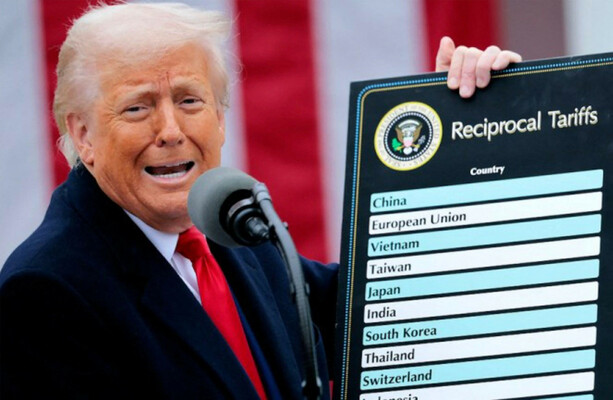
The U.S. Supreme Court on Friday struck down President Donald Trump’s sweeping global tariffs, a significant defeat for his economic agenda and a ruling with potentially far-reaching implications for international trade. The 6-3 decision, with Chief Justice John Roberts delivering the opinion, found that Trump did not have the authority to unilaterally impose the tariffs under the International Emergency Economic Powers Act (IEEPA) of 1977.
The court’s ruling effectively overturns tariffs imposed on billions of dollars worth of goods imported from numerous countries, initially justified by the Trump administration as necessary to protect national security. The legal challenge, which marked the first time the Supreme Court evaluated the legal merits of a second-term Trump policy, centered on whether IEEPA authorized the president to impose tariffs as a tool for economic leverage.
Chief Justice Roberts, writing for the majority, stated that IEEPA “contains no reference to tariffs or duties.” He further emphasized that no president had previously interpreted the act to grant such power, adding, “We claim no special competence in matters of economics or foreign affairs. We claim only, as we must, the limited role assigned to us by Article III of the Constitution.” Justices Brett Kavanaugh, Clarence Thomas, and Samuel Alito dissented.
The case originated from challenges brought by businesses and trade groups who argued that the tariffs were illegal and harmed their operations. The U.S. Court of Appeals for the Federal Circuit had previously ruled against the Trump administration, a decision now affirmed by the Supreme Court. Even as the court’s decision invalidates the tariffs, it did not address the question of whether businesses that paid the tariffs are entitled to refunds.
The ruling is expected to have a significant impact on international trade relations. The European Union is currently assessing the implications of the decision, with concerns that sectors like pharmaceuticals could now be vulnerable to potential trade actions. The Irish Times reported that the EU is evaluating the ruling’s impact on its own trade policies.
The financial implications of the ruling are substantial. Sky News reported that the decision could potentially cost the government $175 billion. RTE.ie noted that questions remain about what happens next, as the ruling leaves open the possibility of future trade disputes.
The Financial Times reported that this decision represents the most significant loss for President Trump during his second term. The Biden administration has not yet issued a comprehensive statement outlining its plans in light of the ruling, and it remains unclear whether the administration will seek to reimpose tariffs through alternative legal mechanisms or pursue new trade negotiations.