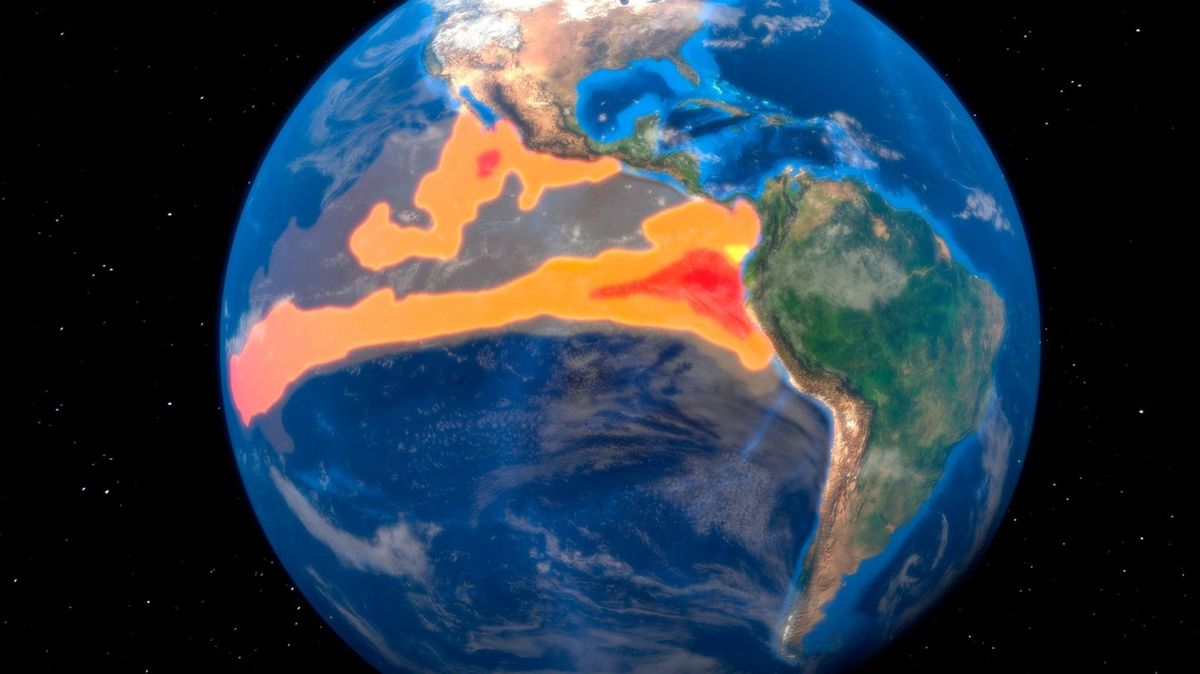
Super El Niño Warning: Rising Food Prices and Global Agricultural Crisis
The return of the El Niño weather phenomenon has been officially confirmed, with global meteorological agencies warning of widespread environmental and economic disruption. This climate pattern, characterized by the warming of surface waters in the eastern Pacific Ocean, is expected to drive up global food prices and intensify humanitarian crises in agriculture-dependent regions, according to reports from the World Bank and international weather monitors.
Economic Impacts on Global Food Markets
The transition into an El Niño cycle poses a significant risk to global food security and commodity pricing. The World Bank has cautioned that the phenomenon is likely to trigger a surge in the cost of essential food items as shifting weather patterns disrupt planting and harvesting schedules across major agricultural zones.
This trend is already impacting household budgets. In the United Kingdom, retailers and market analysts anticipate that the price of “big shop” essentials—including staples like grain, sugar, and coffee—will rise as supply chains react to the global weather shift. The volatility follows a pattern where El Niño-induced droughts and extreme heat reduce crop yields in key exporting nations, effectively tightening international supply.
Agricultural Crisis and Labor Productivity
The impact of El Niño on local food production is most acute in India, where extreme weather is compounding existing challenges for the agricultural sector. Field reports indicate that the environmental strain is manifesting as a severe humanitarian issue for the rural workforce.
A study tracking the effects of heat stress on Indian farmers found that the phenomenon is responsible for a loss of 81 working days per year per individual. This reduction in labor capacity is attributed to the increasingly hazardous conditions in the fields, where rising temperatures and erratic rainfall make sustained manual labor physically unsustainable. Researchers note that this loss of productivity is not merely a seasonal fluctuation but a systemic barrier to agricultural output, further straining a food system already pressured by global climate instability.
Regional Consequences and Institutional Response
The environmental consequences of this El Niño are expected to be unevenly distributed, with coastal and inland regions facing distinct threats. While the warming of the Pacific alters global wind and moisture currents, the immediate concern for international institutions remains the dual pressure of reduced yields and increased labor costs.
Despite the broad consensus on the arrival of the weather event, the long-term extent of the damage remains subject to regional variation. Governments and international aid organizations are currently monitoring specific rainfall deficits in tropical zones to determine the scale of necessary intervention. There is currently no unified international agreement on the mitigation of these specific economic impacts, leaving national agricultural ministries to manage supply chain disruptions independently.
Worth a look