
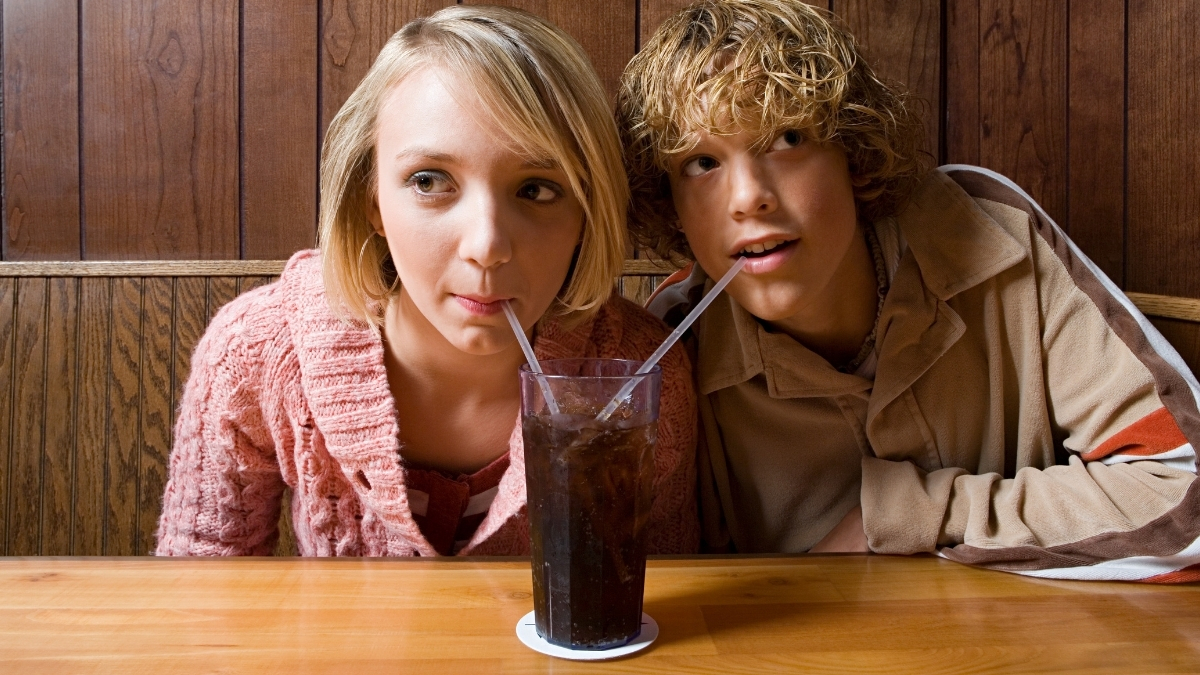
Teenagers who frequently consume sugary drinks have a 34% higher likelihood of being diagnosed with an anxiety disorder, according to a new review of existing research.
The analysis, led by Chloe Casey, a lecturer in nutrition and behaviour at Bournemouth University, combined data from nine studies conducted between 2000 and 2025, involving young people aged ten to 19. Seven of the studies demonstrated a clear association between intake of sugary beverages and increased anxiety levels.
Sugary drinks examined in the studies included fizzy drinks, colas, sweetened fruit juices, sweetened milk drinks, energy drinks, and sweetened tea or coffee. The research suggests a significant positive correlation: higher consumption of these drinks was linked to a greater chance of receiving an anxiety disorder diagnosis.
Even as the studies reveal a pattern, researchers emphasize they are observational and cannot definitively prove that sugary drinks cause anxiety. It’s also possible, they note, that individuals experiencing anxiety may be more inclined to consume sugary drinks. Other influencing factors, such as socioeconomic status and educational background, also play a role in both mental health and dietary choices.
Experts are exploring the potential role of the gut-brain axis – the bidirectional communication network between the digestive system and the brain – in this connection. However, gut health is influenced by a multitude of factors, including overall diet, stress levels, and sleep quality, all of which are independently linked to anxiety.
Anxiety disorders are the most common mental health disorder in the United States, affecting between 10% and 13% of the population, with approximately 8% of children and teenagers experiencing such a disorder, according to Johns Hopkins Medicine. This prevalence has been exacerbated by the COVID-19 pandemic, contributing to increased stress and anxiety levels.
Cognitive behavioral therapy (CBT), sometimes combined with antidepressant medication, is considered the most effective treatment for anxiety in teenagers, according to the Child Mind Institute. CBT aims to reshape thought patterns related to anxiety.
UK dietary guidelines recommend limiting free sugar intake to no more than 5% of daily calories, equivalent to roughly 30 grams or seven teaspoons. A single can of fizzy drink often exceeds this limit, containing around 35 grams of sugar.
Alternatives to sugary drinks include sparkling water flavored with fruit or herbs, plain water, milk, or sugar-free beverages. Switching from energy drinks, which can negatively impact sleep, academic performance, and behaviour, to tea or coffee with lower caffeine content is also recommended.
The American Academy of Child and Adolescent Psychiatry notes that managing anxiety disorders typically requires a combination of treatment interventions, tailored to the individual teenager and their family, and that the overall prognosis is generally good.
Researchers are now calling for further investigation into the potential mental health benefits of reducing sugary drink consumption in adolescents, building on existing research that demonstrates the physical health advantages of such a change.
