
Sudan’s Cultural Heritage Faces a Long Road to Recovery
The confluence of the Blue and White Nile in Khartoum,once a backdrop to Sudan’s rich history,now witnesses a heartbreaking scene: the remnants of a cultural legacy shattered by over two years of brutal civil war. With the recent expulsion of the paramilitary Rapid Support Forces from the capital, a fragile peace has begun to emerge, but the damage to Sudan’s heritage sites is extensive, and the task of recovery daunting.
Beyond the immediate human cost - tens of thousands killed and millions displaced – the conflict has unleashed a wave of looting and destruction upon the nation’s archaeological treasures. Preservationists returning to Khartoum are meticulously sifting through rubble, attempting to salvage what remains of a history now vulnerable to permanent loss.
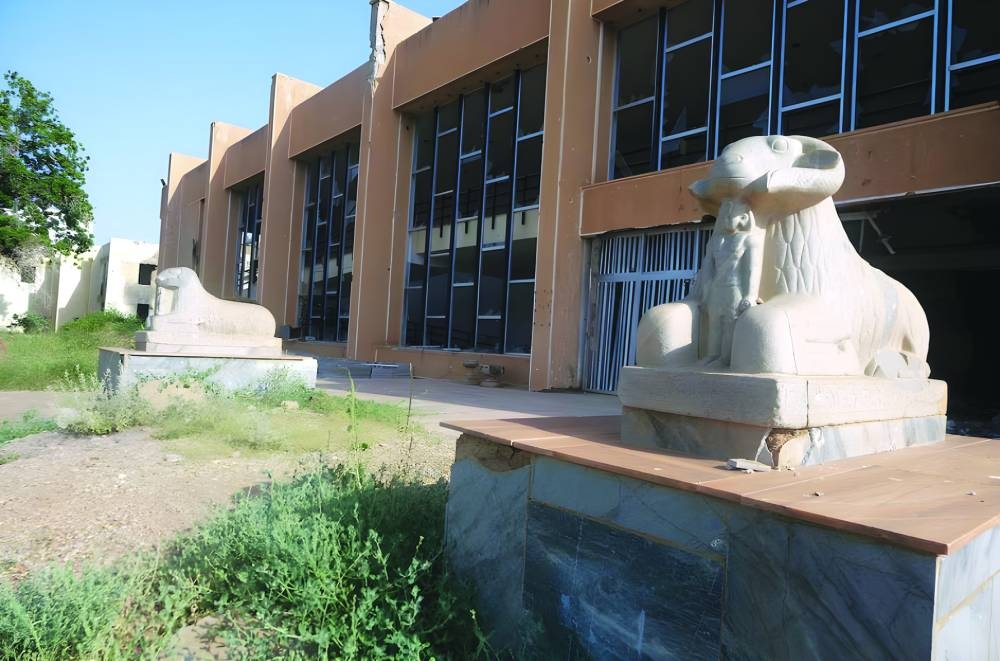
“The museum was extremely damaged,” laments Rehab Kheder al-Rasheed, head of the commitee tasked with assessing the damage and securing Khartoum’s museums and archaeological sites. “So many vital artifacts were stolen. Every piece here… has a story.” That story is now fragmented, with approximately 4,000 antiquities currently unaccounted for across Sudan. The impact is notably acute in the Darfur region, where museums in Nyala and El Geneina have lost around 700 pieces, tragically compounded by the death of El Geneina’s museum curator during shelling. Evidence suggests many of these stolen artifacts are being smuggled into neighboring countries, mirroring a pattern seen in conflict zones across the Middle East and North Africa, including Iraq, Syria, and Libya.
Sudan’s commitment to preserving its past is evident in the National Museum’s collection, which includes temples and artifacts relocated from the north in the 1960s to safeguard them from the rising waters of Egypt’s Aswan High Dam. Among these is the splendid Buhen Temple, built around 1500 BC by Queen Hatshepsut. While the temple sustained damage during the fighting, authorities are working to repair it, a task hampered by severely limited resources. The Republican Palace Museum also bears the scars of conflict, its interior a landscape of charred wreckage, antique cars outside reduced to debris.
The scale of the restoration effort is immense. Ikhlas Abdullatif, director of the museums sector at Sudan’s National Corporation of Antiquities and Museums, estimates the cost of fully restoring and securing Sudan’s cultural heritage could reach $100 million – a sum almost unattainable given the country’s economic devastation. Furthermore, the return of the approximately 45 international archaeological missions that previously operated in Sudan remains uncertain, dependent on a sustained period of stability and security.
For now, Sudanese preservationists continue their painstaking work, driven by a hope that, with time and international support, they can piece together the fragments of their nation’s story and ensure its survival for generations to come.
