
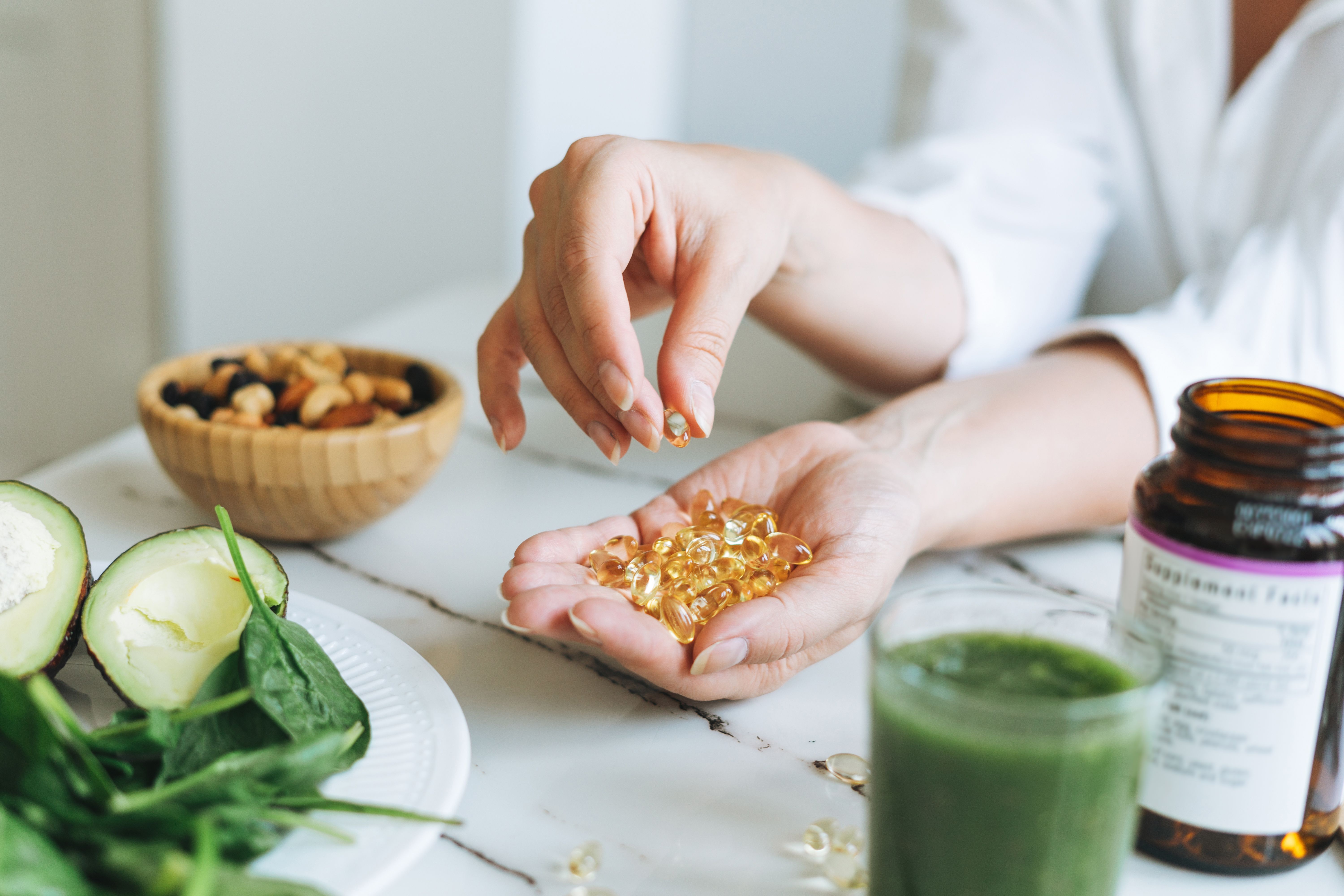
Vitamin D Boosts Breast Cancer Chemotherapy Success
Groundbreaking research reveals a potential link between vitamin D supplementation and enhanced chemotherapy effectiveness in breast cancer patients. This affordable and accessible option could significantly improve treatment outcomes, offering new hope in the fight against this disease.
Vitamin D’s Impact on Chemotherapy
A recent study by researchers at the Botucatu School of Medicine at São Paulo State University (FMB-UNESP) in Brazil suggests low-dose vitamin D supplementation may boost chemotherapy’s efficacy. Findings published in Nutrition and Cancer indicate vitamin D could offer a supplementary treatment option to improve chemotherapy response, potentially surpassing some difficult-to-access drugs.
Vitamin D is a crucial hormone supporting bone health by facilitating calcium and phosphorus absorption. Recommended intake is 600 IU daily, 800 IU for older adults. Foods like fish and egg yolks are rich in vitamin D.
Source— World News (@worldnews) February 15, 2024
“With supplementation, levels increased throughout chemotherapy treatment, which reinforces a possible contribution to the patients’ recovery,”
—Eduardo Carvalho-Pessoa, President of the São Paulo Regional Brazilian Society of Mastology
Globally, breast cancer remains a significant health concern, with over 2.3 million new cases diagnosed in 2020, according to the World Health Organization (WHO, 2020).
Study Details and Results
The study involved eighty women, aged 45 and older, undergoing breast cancer treatment at FMB-UNESP’s oncology outpatient clinic. Participants were randomly assigned to either receive 2000 IU of vitamin D daily or a placebo for six months. Researchers measured vitamin D levels and pathological complete response (pCR) rates.
After six months, the vitamin D group showed a notable increase in vitamin D levels compared to the placebo group. The pCR rate was higher in the vitamin D group, at 43%, versus 24% in the placebo group. The results suggest that women with vitamin D levels of 20 ng/mL or greater were more likely to achieve pCR.
