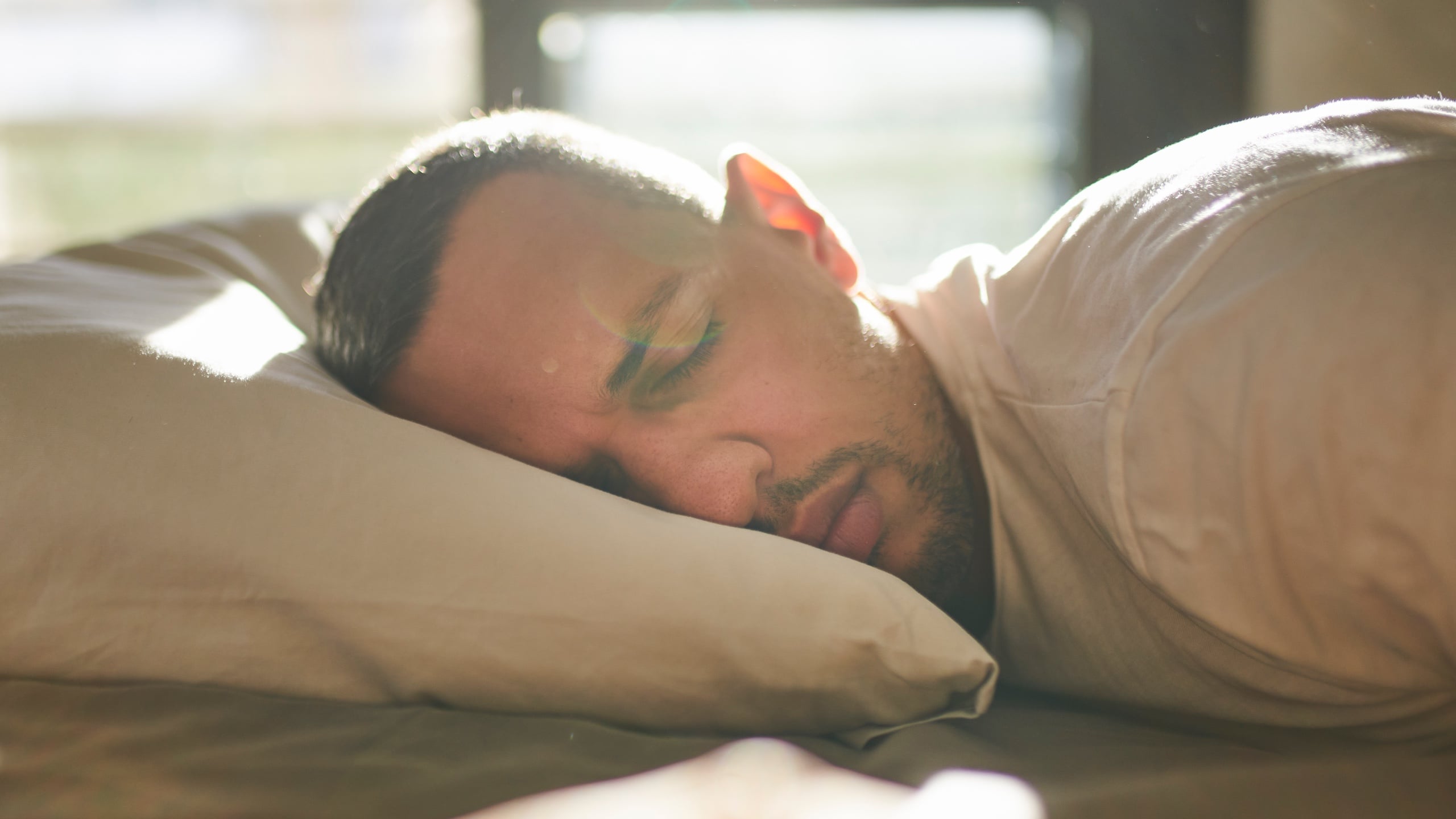
Study links long-term cannabis use to poor sleep quality
An estimated 22 million Americans currently use cannabis as a sleep aid, and nearly one in four people report they are likely to try the substance to rest better. However, a study published in JAMA Network Open and reported by sciencealert.com indicates that long-term cannabis use is linked to objective markers of poorer sleep quality, even though users frequently perceive no negative changes.
- Longer lifetime cannabis use correlates with lower sleep percentages, increased sleep fragmentation, and longer overnight wakefulness.
- Recent users often sleep slightly longer overall, but wearable devices show their sleep remains fragmented and interrupted.
- Despite objective sleep disruptions, users subjectively report normal sleep quality and fail to recognize the negative impacts.
Thirty Five Years of Data in the CARDIA Study
The new epidemiological analysis draws on observational data from the Coronary Artery Risk Development in Young Adults (CARDIA) study. The overarching project began recruiting participants in 1985 across four United States sites, eventually enrolling more than 5,000 individuals who completed periodic follow-up assessments over three and a half decades. The ninth follow-up assessment concluded in 2022.
For the recent sleep evaluation, researchers led by Thanh-Huyen T. Vu from Northwestern University examined data from 1,266 CARDIA participants. Among this cohort, 1,128 individuals provided self-reported sleep assessments at the end of the study period. 891 participants wore wrist-mounted tracking devices for seven consecutive days to record objective sleep metrics, with 753 people contributing to both subjective and objective portions of the analysis.
Objective Sleep Deficits Versus Subjective Perceptions
After adjusting for variables such as age, race, sex, education level, smoking, and alcohol use, investigators established clear correlations between cumulative cannabis exposure and disrupted rest. Each additional year of cannabis consumption associated with a 10 percent higher odds of a low sleep percentage, meaning individuals spent less than 85 percent of their total sleep period actually asleep. It also correlated with a 4 percent increase in sleep fragmentation and a 21 percent higher odds of prolonged waking periods, defined as staying awake for at least 30 minutes total during the night.
Recent users who consumed cannabis within the 30 days prior to assessment averaged 20 extra minutes of total sleep duration nightly compared to non-users. Yet, these recent consumers concurrently exhibited lower sleep percentages, higher fragmentation, and longer nocturnal awakenings. This study challenges the common belief that cannabis helps people sleep better,
says Thanh-Huyen T. Vu from Northwestern University, as reported by sciencealert.com. Our findings suggest cannabis may actually be associated with poorer sleep quality, even if people don’t perceive those changes.

Despite data from wearable trackers indicating substantial nighttime disruption, participants across both lifetime and recent use categories did not report lower subjective sleep quality on standard questionnaires. According to health.yahoo.com, researchers emphasize that this disconnect could stem from individuals misinterpreting longer time spent in bed as improved rest, or failing to recognize subtle declines in sleep architecture.
Evaluating Conflicting Findings in Sleep Research
Previous scientific literature has produced mixed conclusions regarding cannabis and rest. Earlier reviews indicate an overall detrimental effect on sleep quality, as noted in research published in related clinical evaluations. However, studies examining medical cannabis populations often report perceived improvements. Northwestern University researchers note that these clinical populations typically present with chronic pain, cancer, or diagnosed sleep disorders. In those specific contexts, cannabis may elevate perceived sleep quality simply by mitigating underlying symptoms that interfere with rest, even while objective physiological measures show little or no improvement.
The observational design of the CARDIA analysis means investigators cannot establish direct causation between cannabis consumption and subsequent sleep disturbances. Additional limitations include a lack of tracking regarding cannabis potency or precise timing relative to bedtime, alongside the restriction of objective wrist-tracking data to a single week within a decades-long monitoring period. Future investigations incorporating extended objective assessments will be necessary to confirm how long-term consumption patterns shape sleep architecture over time.
Disclaimer: The information provided in this article is for educational and scientific communication purposes only and does not constitute medical advice. Always consult with a qualified healthcare provider regarding any medical condition, diagnosis, or treatment plan.