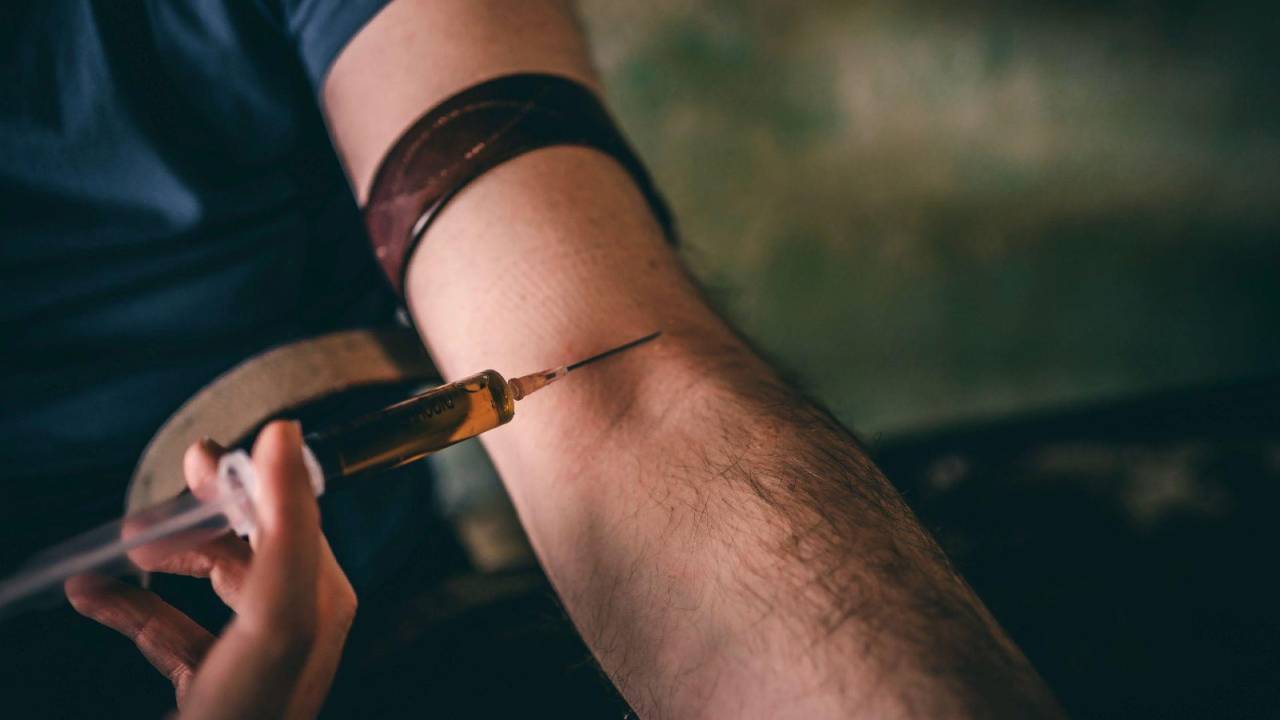
What Is Bluetoothing and Why Does It Increase HIV Risks?
Public health authorities worldwide have raised alarms over a practice known as bluetoothing, hotspotting, or flashblood, in which individuals injecting intravenous drugs extract blood into a syringe and share it or inject it directly into another person. The technique has driven up HIV transmission rates in several regions, creating severe localized epidemics.
- Bluetoothing involves drawing blood into a syringe during or immediately after intravenous drug use and transferring it to another person to share drug residue.
- Health organizations link the practice to surging HIV and hepatitis infection rates among people who inject drugs in regions such as Fiji, Pakistan, and parts of Africa.
- While widely discussed as a method to stretch scarce drugs or manage withdrawal, public health evaluations indicate that the person receiving the blood receives a lower amount than the first person, and therefore the effect is limited.
HIV Infections Rise in Fiji and Africa
The practice has surfaced in widely separated parts of the world. In the Pacific island nation of Fiji, approximately one in 60 adults lives with HIV, and infections multiplied tenfold between 2014 and 2024. The Fijian Ministry of Health identified the practice as one of the factors that most drove the increase in cases. Data shows that between 48% and 50% of new infections in the territory concentrate in people who inject drugs, heavily impacting young adults aged 15 to 34.
Similar reports emerge from other continents. Countries across Africa, including South Africa, Lesotho, Zimbabwe, and Tanzania, have documented the practice within abandoned buildings often referred to as trap houses. In Asia, authorities in Karachi, Pakistan, have detected black-market sales of used syringes infused with someone else’s blood sold for cents to individuals experiencing withdrawal.
WHO Finds Little Evidence of Widespread Practice
Despite widespread media attention regarding bluetoothing, differing evaluations exist regarding its prevalence. After evaluating 56 people who inject drugs in Fiji, the World Health Organization found that only two individuals reported practicing the behavior and four had witnessed it. An evaluation backed by the WHO found little evidence that the practice is widespread within the studied communities, though the reutilization of injection equipment remains a significant problem.

Medical experts emphasize that the risks extend far beyond drug effects. Sharing blood directly introduces pathogens into the recipient’s circulatory system. Multiple hazards include the transmission of HIV and hepatitis B and C, severe immune reactions from incompatible blood types, bacterial infections such as sepsis, abscesses, and endocarditis, and additional strain on an already compromised immune system.
Health Agencies Expand Therapies to Combat Disease
To combat the transmission risks associated with sharing injection equipment and blood, entities operate programs to combat a drug consumption practice that increases the risk of diseases like HIV.
Public health agencies continue to expand opioid substitution therapies and educational campaigns addressing the dangers of blood transfer. The World Health Organization reported that Fiji registered 1,583 new HIV cases during 2024, followed by 1,226 additional cases in the first six months of 2025. With populations facing barriers to sterile equipment and ongoing social stigma, international health bodies stress that addressing the crisis requires comprehensive harm reduction services and unhindered access to care.
Disclaimer: The information provided in this article is for educational and scientific communication purposes only and does not constitute medical advice. Always consult with a qualified healthcare provider regarding any medical condition, diagnosis, or treatment plan.
