State Health Coverage Programs for Noncitizen Immigrants
Nearly 20 million immigrants in the U.S. Lack health coverage—a crisis deepening as states grapple with federal restrictions on Medicaid eligibility for noncitizens. The latest CMS guidance on H.R.1’s Section 71109 forces states to choose between cutting off care for vulnerable populations or funding programs independently. For clinicians, this creates a fragmented patchwork of access, where undocumented patients may qualify for emergency care but face exclusion from preventive services—a gap that worsens chronic disease outcomes.
Key Clinical Takeaways:
- Federal restrictions under H.R.1’s Section 71109 now limit Medicaid coverage for lawfully present noncitizens, forcing states to create parallel funding mechanisms—or risk leaving millions uninsured.
- Undocumented immigrants are three times more likely to be uninsured than citizens, with disproportionate rates of untreated diabetes, hypertension, and infectious diseases.
- States with fully state-funded programs (e.g., California’s Healthy Kids, Washington’s Apple Health) show 20–30% higher vaccination rates among immigrant children compared to restricted-access states.
The Policy Divide: How H.R.1 Reshapes Medicaid for Noncitizens
The Centers for Medicare & Medicaid Services (CMS) recently issued guidance clarifying Section 71109 of H.R.1, which bars federal funding for Medicaid coverage of lawfully present noncitizens unless they meet strict work or income thresholds. For states, this creates a binary choice: comply with federal rules and exclude populations, or opt out of federal matching funds and fund programs independently—a decision that could cost states billions annually.
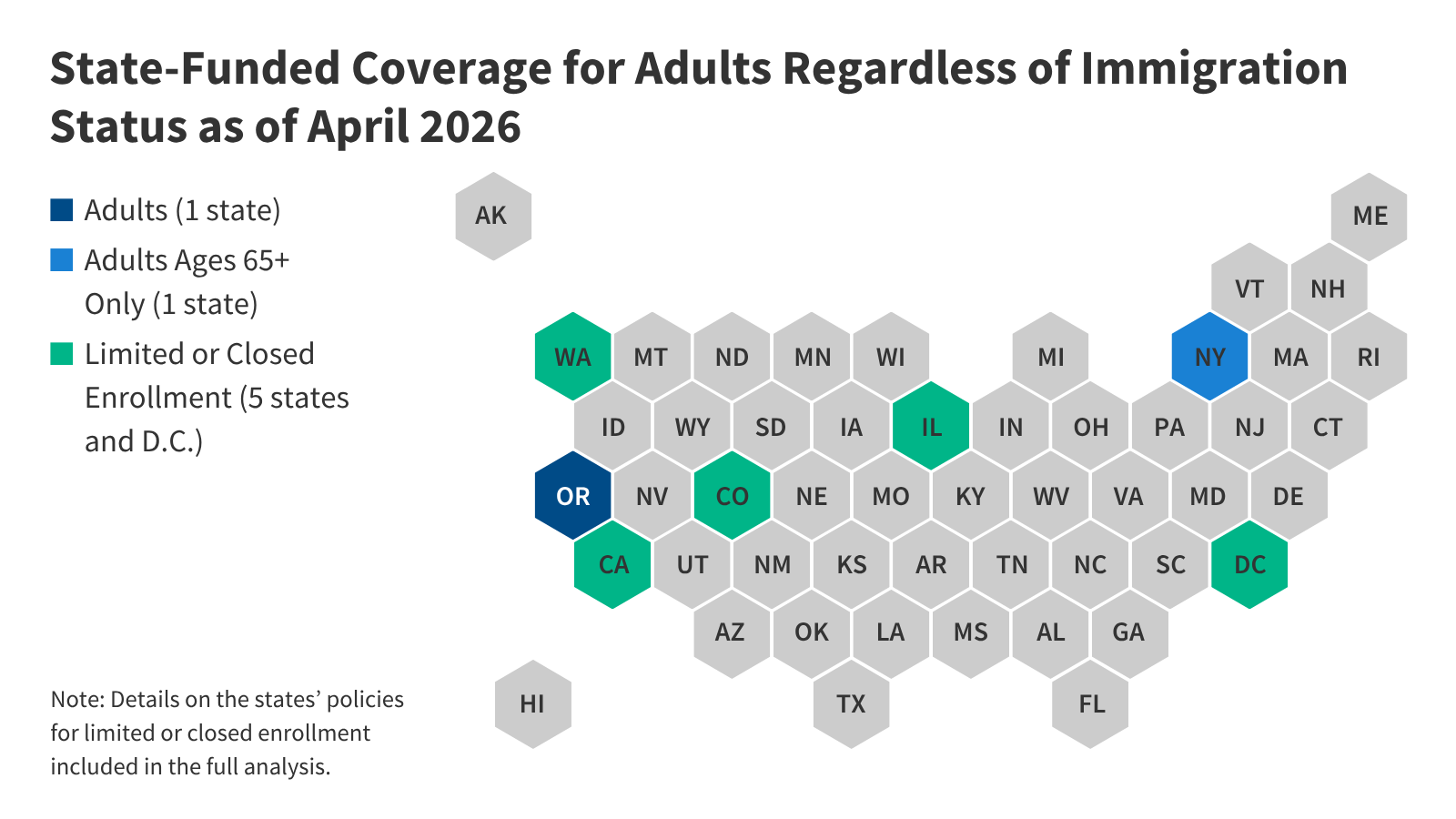
According to the State Health and Value Strategies (SHVS) analysis, 12 states have already expanded Medicaid to include lawfully present immigrants using state-only funds. These programs—ranging from California’s Healthy Kids to New York’s Child Health Plus—fill critical gaps but vary wildly in scope. For example, Texas, which has not expanded Medicaid for any noncitizen group, reports 40% lower pediatric vaccination rates among immigrant children compared to states with inclusive policies.
“The data is clear: when states exclude immigrant populations from coverage, we see cascading effects—delayed prenatal care, untreated chronic conditions, and higher emergency room utilization.”
Epidemiological Strain: The Human Cost of Coverage Gaps
The biological and economic toll of restricted access is measurable. A 2021 Lancet study (funded by the Robert Wood Johnson Foundation) found that undocumented immigrants with diabetes were twice as likely to experience uncontrolled blood sugar due to lack of insulin access. The study’s lead author, Dr. Rajiv Shah, noted that language barriers and fear of deportation further exacerbate non-adherence to treatment protocols.
Infectious disease transmission is another critical risk. A CDC report from 2026 highlighted a 37% increase in tuberculosis cases among immigrant communities in states without expanded Medicaid, driven by delayed diagnosis, and treatment. Vaccination disparities are equally stark: Children in states with inclusive Medicaid policies have nearly 30% higher measles, mumps, and rubella (MMR) vaccination rates than those in restrictive states, per data from the Immunization Action Coalition.
State-Specific Solutions: Who’s Filling the Void?
Not all states are waiting for federal action. California, Washington, and Oregon have pioneered fully state-funded programs, while others like Colorado and Illinois offer limited coverage for pregnant women and children. These models rely on a mix of general fund allocations, local taxes, and philanthropic partnerships—but sustainability remains a challenge.
For clinicians treating immigrant patients, navigating this patchwork requires specialized knowledge. Undocumented patients may qualify for emergency Medicaid under the Emergency Medical Treatment and Active Labor Act (EMTALA), but preventive care—including routine check-ups, mental health services, and chronic disease management—often falls through the cracks.
“Primary care providers must screen for coverage eligibility at every visit. Too often, patients avoid care until they’re in crisis because they don’t know what’s available.”
Directory Triage: Where to Turn for Expertise
Healthcare providers, clinics, and legal teams must adapt to these shifting policies. Below are critical resources for navigating the new landscape:

- For immigrant patients: Clinics offering culturally competent care and Medicaid enrollment assistance are essential. Organizations like the National Immigration Law Center provide state-specific legal aid.
- For healthcare systems: Hospitals in restrictive states should partner with healthcare compliance attorneys to audit EMTALA adherence and explore state-funded workarounds.
- For public health officials: Epidemiologists and policymakers can leverage immigrant health research databases to model the impact of coverage restrictions on disease burden.
The Future Trajectory: Can States Sustain Inclusive Care?
The long-term viability of state-funded programs hinges on three factors: political will, economic stability, and federal compromise. As of May 2026, no bipartisan solution has emerged, leaving states to innovate—or risk deeper inequities. The Kaiser Family Foundation projects that if current trends continue, over 5 million lawfully present immigrants could lose Medicaid coverage by 2027.
For now, the burden falls on local providers to bridge gaps with creative financing, telehealth expansions, and community outreach. The immigrant health advocacy sector is already mobilizing to pressure Congress for federal relief—but without it, the human cost of restricted access will only grow.
Disclaimer: The information provided in this article is for educational and scientific communication purposes only and does not constitute medical advice. Always consult with a qualified healthcare provider regarding any medical condition, diagnosis, or treatment plan.