Wildfires and Misinformation: The Fight Against Toxic Smoke and Falsehoods
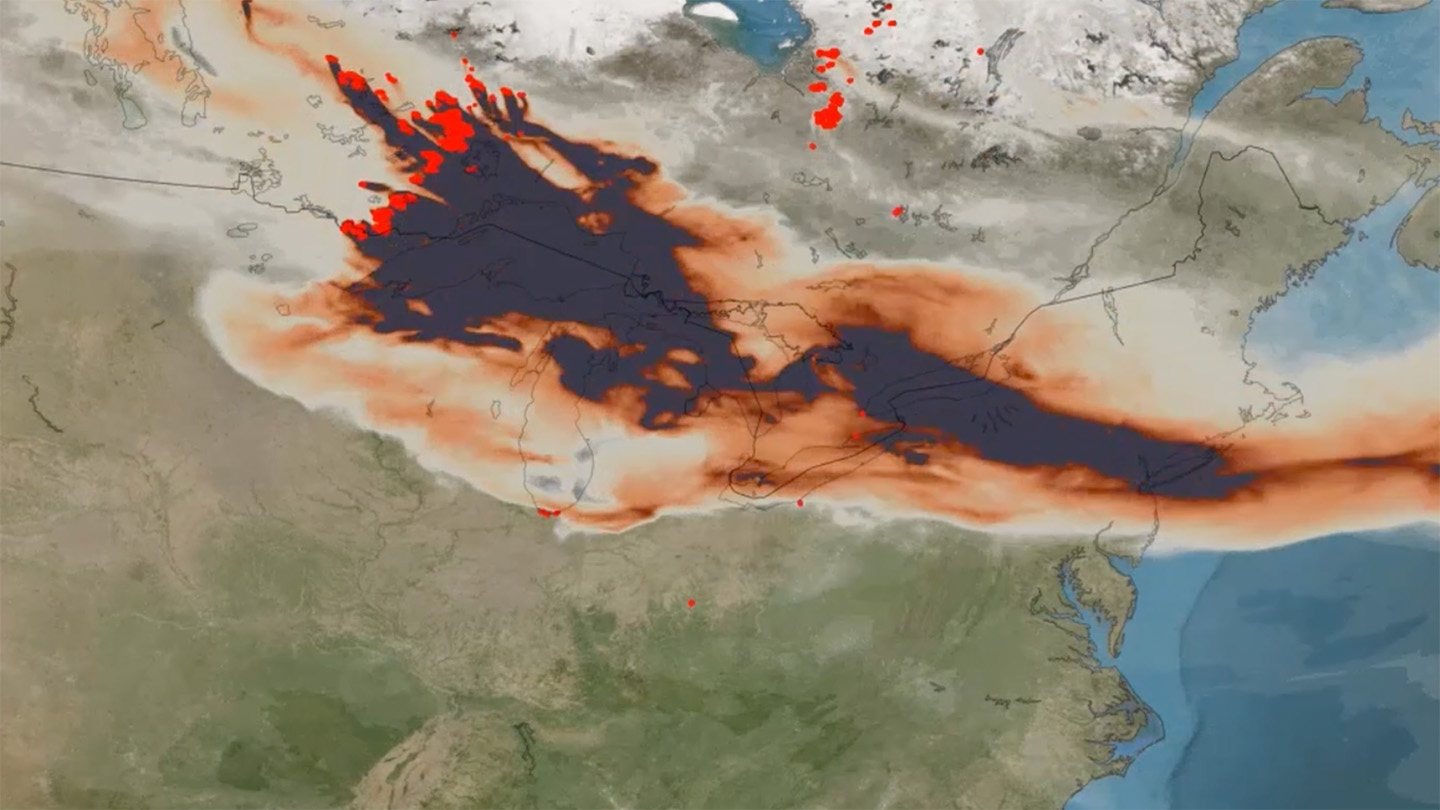
Canada’s unprecedented wildfire season has sent dense, toxic plumes of smoke drifting across North American borders, triggering acute public health concerns and forcing officials to combat both spreading blazes and widespread misinformation regarding air quality. The ongoing environmental crisis highlights systemic vulnerabilities in regional emergency response frameworks and underscores the immediate necessity for robust public health interventions. As atmospheric particulate matter spreads across international boundaries, healthcare infrastructure faces mounting pressure to manage surges in respiratory and cardiovascular morbidities.
Key Clinical Takeaways:
- Wildfire smoke generates high concentrations of fine particulate matter (PM2.5), which penetrates deep into pulmonary alveoli and systemic circulation.
- Public health advisories emphasize minimizing outdoor exposure during peak pollution events, particularly for vulnerable populations such as children and older adults.
- Patients experiencing persistent respiratory distress should promptly consult specialized pulmonary clinics for diagnostic evaluation and personalized treatment adjustments.
Epidemiological Impact of Wildfire Particulate Matter
The biological mechanisms driving wildfire-related morbidity are directly linked to the inhalation of sub-micron particles. When forests and organic matter burn, they release complex mixtures of gases and aerosols. According to environmental health data compiled by public health authorities, prolonged exposure to PM2.5 triggers systemic inflammatory cascades, exacerbating chronic conditions such as asthma, chronic obstructive pulmonary disease (COPD), and ischemic heart disease. The pathogenesis involves oxidative stress within endothelial tissues, leading to transient hypercoagulability and elevated risks of acute cardiovascular events.
Clinical management during these events requires rigorous monitoring of susceptible cohorts. Healthcare providers urge individuals with pre-existing cardiopulmonary disorders to adhere strictly to prescribed maintenance therapies and utilize high-efficiency particulate air (HEPA) filtration systems indoors. For those showing signs of acute decompensation, seeking guidance from an established Pulmonary Care Center remains vital to prevent severe clinical deterioration.
Combating Misinformation in Public Health Communication
Beyond the direct toxicological threats posed by the smoke, emergency responders and health officials face an infodemic characterized by unverified claims regarding air purification efficacy and personal protective equipment. Federal agencies stress that standard cloth masks offer negligible protection against ultrafine particulate matter, recommending N95 or equivalent respirators instead. Clear, evidence-based communication prevents inappropriate risk mitigation behaviors and ensures that healthcare resources are directed toward patients with genuine clinical needs.
Maintaining institutional transparency relies on accurate data dissemination from verified environmental monitoring networks. To navigate complex regional health directives or to secure occupational health assessments, organizations frequently coordinate with a Medical Compliance Consultancy to align operational safety standards with current clinical guidelines.
Clinical Triage and Directory Support
As climate-driven wildfire seasons become increasingly frequent, healthcare systems must adapt their preventative triage protocols. Early identification of vulnerable patients significantly reduces emergency department utilization rates during peak smoke events. Primary care physicians play a central role in educating patients on symptom recognition and emergency action plans.
For patients requiring ongoing management of environmentally induced respiratory flare-ups, connecting with vetted specialists ensures continuity of care. It is highly recommended to consult with board-certified pulmonologists and clinical toxicologists found within the Specialized Health Directory to establish comprehensive long-term management strategies.
Disclaimer: The information provided in this article is for educational and scientific communication purposes only and does not constitute medical advice. Always consult with a qualified healthcare provider regarding any medical condition, diagnosis, or treatment plan.