Starbucks Singapore Clarifies Pet Policy After East Coast Park Backlash
Starbucks Singapore has retracted a proposed pet ban at its East Coast Park outlet following significant online backlash. The company clarified that its pet-friendly policy remains unchanged after a viral post highlighted a sign linking the restriction to upcoming halal-certified operations, sparking concerns over brand inclusivity and customer loyalty.
This is a textbook case of operational friction. When a global powerhouse attempts to pivot its market positioning—in this case, expanding its appeal to the Muslim demographic through halal certification—without aligning its communication strategy, the result is an immediate erosion of brand equity. The conflict here isn’t about pets; it is about the failure to manage the intersection of two distinct customer value propositions.
For a company with the scale of Starbucks Corporation, these “localized” mishaps are rarely isolated. They signal a gap between corporate strategic intent and storefront execution. To mitigate these risks, enterprises are increasingly relying on crisis communications firms to audit internal messaging before it hits the public eye.
The Friction of Market Expansion
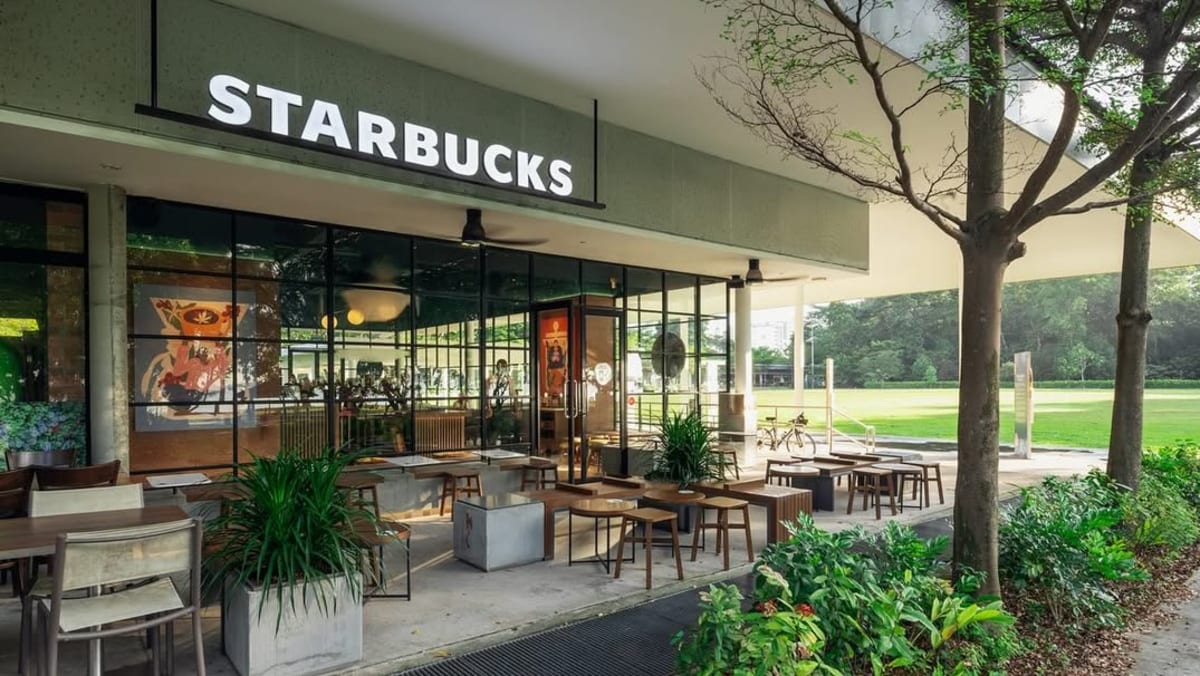
The incident centered on the Parkland Green complex at East Coast Park. A sign posted at the outlet explicitly stated that starting May 25, 2026, pets would no longer be permitted in indoor and outdoor seating areas to facilitate a “transition towards halal-certified operations.” While guide dogs remained exempt, the message sent a clear signal: one customer segment was being sacrificed for another.
The reaction was instantaneous. A Facebook user shared the image on May 11, labeling the notice “absolutely ridiculous and dumb” and vowing to “boycott all Starbucks Singapore outlets.”
From a financial perspective, this is a failure in calculating the Customer Acquisition Cost (CAC) versus the potential for customer churn. Halal certification is a logical move for growth in Southeast Asia, but executing it through a restrictive policy at a high-traffic, leisure-oriented location like East Coast Park ignores the specific psychographics of that site’s visitors.

“The modern consumer does not view brand loyalty as a static agreement; it is a continuous negotiation of values. When a brand pivots its operational standards, the transition must be invisible or additive, never subtractive.”
The volatility of social media has compressed the time between a corporate mistake and a public relations crisis to near zero. Starbucks was forced to move quickly, removing the signage and issuing a clarification that pets are still welcome. This rapid reversal suggests the company recognized the potential for a broader narrative of “exclusion” to take hold, which would be far more damaging to the bottom line than the delay of a certification timeline.
The Operational Gap in Brand Messaging
The disconnect here is systemic. On one side, you have the operational requirement for halal certification, which often necessitates strict guidelines regarding animals in food preparation and seating areas to maintain integrity. On the other, you have a global brand identity built on being the “Third Place”—a welcoming environment for all.
When these two mandates collide, the burden falls on the marketing and legal teams to find a middle ground. The fact that a sign was posted stating pets would be banned suggests that the operational team acted in a vacuum, bypassing the brand guardians. This is where many mid-to-large cap firms stumble, necessitating the intervention of brand strategy consultants to synchronize global standards with local sensitivities.

Looking at the broader financial picture, Starbucks Corporation (SBUX) has consistently emphasized “brand elevation” in its recent SEC filings and investor presentations. Brand elevation requires a seamless experience. A sign that tells a loyal customer their dog is no longer welcome is the opposite of elevation; it is operational friction that increases the risk of churn in a highly competitive specialty coffee market.
The company’s apology and clarification were necessary, but they were reactive. The real cost isn’t the time spent removing a sign; it’s the momentary dip in sentiment among a vocal, digitally active demographic.
Calculating the Cost of Social Volatility
We must ask: what is the actual fiscal impact of a viral Facebook post? In the short term, the impact on quarterly EBITDA is negligible. However, the long-term risk lies in “brand scarring.” When a company is perceived as fickle or inconsistent with its values, it loses the benefit of the doubt during future crises.

The debate sparked by the East Coast Park outlet—with some commenters supporting the restriction and others threatening boycotts—highlights a fragmented market. Starbucks is attempting to navigate a complex cultural landscape where the desire for inclusivity (pet-friendliness) clashes with the requirements of religious certification (halal).
To navigate these waters, companies are now hiring halal certification specialists who do more than just check ingredients; they provide guidance on the sociological impact of certification on existing business models.
The removal of the sign is a tactical win, but the strategic problem remains. How does Starbucks Singapore achieve halal certification without alienating the “pet parent” demographic? The answer lies in architectural and operational innovation—perhaps separate zones or redefined outdoor spaces—rather than blanket bans.
The market will continue to punish brands that treat communication as an afterthought to operations. In an era of radical transparency, the “sign on the wall” is a public declaration of a company’s priorities. If those priorities are misaligned, the internet will ensure the world knows within hours.
As Starbucks continues to scale its international footprint, the ability to localize without alienating will be the primary driver of its regional success. Investors should watch for how the company integrates these cultural pivots into its broader growth strategy over the coming fiscal quarters.
For firms looking to avoid similar pitfalls in market expansion and brand alignment, vetting the right strategic partners is critical. The World Today News Directory provides a curated gateway to the world’s leading B2B service providers, ensuring your operational pivots don’t become public relations liabilities.