Sports Orgs Face Legal Action Over Third-Party Player Abuse
Beginning October 1, 2026, professional sports teams, governing bodies, and operators of stadiums and events could face legal action if players, coaches, and staff receive spectator and online abuse due to changes under the Employment Rights Act 2025.
Third-Party Harassment Provisions Shift Legal Risk to Employers
Sports organizations have historically treated abusive behavior directed at personnel largely as a welfare, reputational, and regulatory issue. The new third-party harassment provisions create a significant employment law dimension. Businesses can face legal liability for harassment perpetrated by outsiders—such as fans, matchgoers, and digital followers—unless they prove they implemented every necessary precaution to stop it.
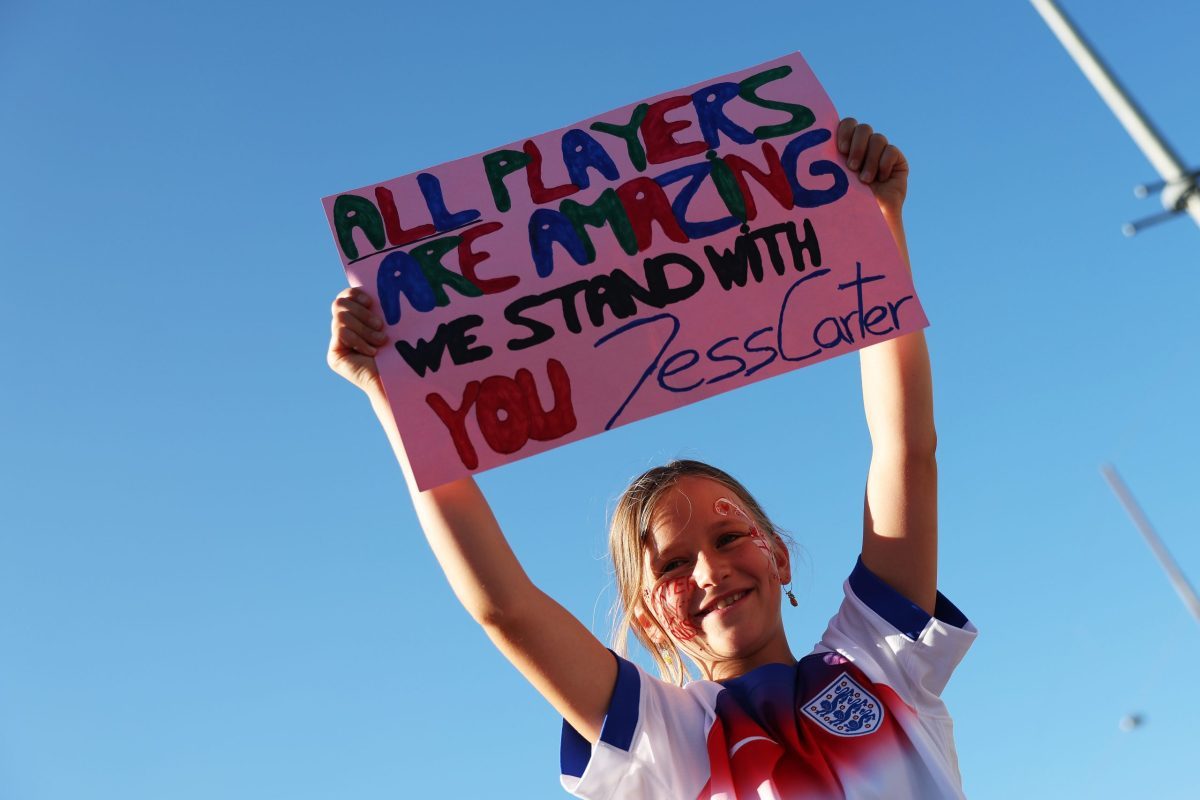
The reforms affect organizations across the sports sector, from professional clubs and governing bodies to event operators and sporting venues. England footballers Bukayo Saka, Marcus Rashford, and Jadon Sancho faced racist abuse following Euro 2020, while Lionesses defender Jess Carter spoke publicly about abuse received during Women’s Euro 2025. In rugby union, the Rugby Football Union increased sanctions for abuse of match officials after a survey found almost half—49 percent—of referees experienced abuse. Over 200 complaints regarding offensive messages were logged by the Cricket Regulator within a 12-month period, which noted that women cricketers faced a heavy focus of this hostility and tied numerous communications to gamblers who had financial losses on the women’s sport.

Sport Organizations Must Protect All Staff from Harassment
The provisions apply across the wider workforce supporting professional sport. Beginning in October, entities will be evaluated if any staff member, including hospitality personnel or matchday stewards, suffers bias or harassment from attendees or fans.
What constitutes all reasonable steps to prevent harassment varies depending on the organization and its specific risks. Organizations must consider the issue at the board level to foster a top-down culture promoting anti-discrimination and diversity. Risk assessments must identify where harassment may arise on matchdays, in hospitality settings, or through online channels. Preventive measures may include reviewing ticketing terms and codes of conduct, strengthening reporting procedures, ensuring security staff are trained to respond to incidents, and monitoring abusive content directed at players, coaches, and employees. Workplace risks are not confined to stadiums, as media appearances and community engagement activities also form part of the managed risk environment.