South Africa’s Immigration Plan Sparks Controversy Over Business, Borders and Foreign Nationals
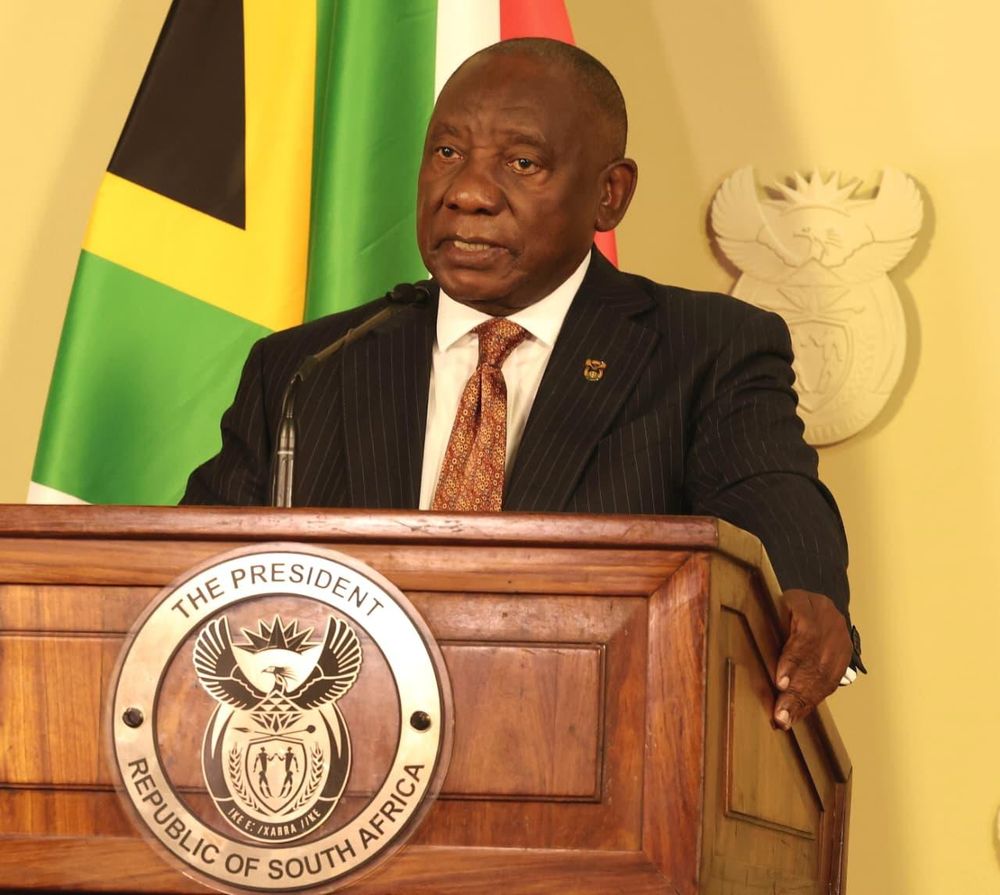
The South African government has initiated a sweeping reform of its immigration policy, prioritizing the fast-tracking of deportations and stricter enforcement of labor laws to regulate the employment of foreign nationals. President Cyril Ramaphosa’s administration aims to tighten border security and increase compliance oversight for businesses, a move that has drawn both support from industry groups and vocal opposition from local protest groups.
Regulatory Changes for Employers
Companies and individuals hiring foreign nationals face increased financial and legal risks under the updated enforcement framework. The Department of Home Affairs has signaled a crackdown on employers who fail to verify the legal status of their workers. According to reports from Business Tech, employers found hiring domestic workers or other staff without valid work permits face the risk of severe penalties, including fines reaching R100,000 per violation.
This enforcement represents a shift toward holding the private sector directly accountable for the presence of undocumented individuals in the workforce. By targeting the point of employment, the government intends to reduce the incentives for illegal migration.
Deportation and Judicial Reform
The government is moving to streamline the removal process for foreign nationals found to be in the country unlawfully. New legislative reforms, as noted by Business Day, grant the judiciary a more significant role in managing deportation proceedings. This change is intended to reduce administrative bottlenecks that have historically slowed the execution of deportation orders.
The Department of Home Affairs has confirmed that it is prioritizing the processing of backlogged cases to clear detention centers. This accelerated timeline is designed to ensure that judicial findings are executed with greater speed, marking a departure from previous, more protracted legal processes.
Public and Political Response
The government’s intervention has faced immediate friction from civil society. Demonstrations have occurred in various urban centers, where participants have expressed dissatisfaction with the state’s current immigration management, with some marchers calling for more aggressive removal of foreign nationals, according to the Daily Maverick.

While the administration frames these policies as a necessary step to restore order and manage the national labor market, the dissent highlights a divide in public opinion. Some groups argue the current measures are insufficient, while others, including certain business interest groups, have expressed concern that the crackdown on labor could disrupt specific sectors that rely on foreign labor.
Next Steps for Policy Implementation
The Department of Home Affairs has not yet released a finalized timeline for the full rollout of these administrative changes. However, the government has stated its intention to integrate digital tracking systems at border checkpoints to monitor entries and exits more effectively. The legal community and business chambers are currently awaiting further directives from the Department regarding the specific compliance documentation required to avoid the newly publicized fines. The government remains focused on its stated goal of stabilizing the immigration system before the next legislative session.