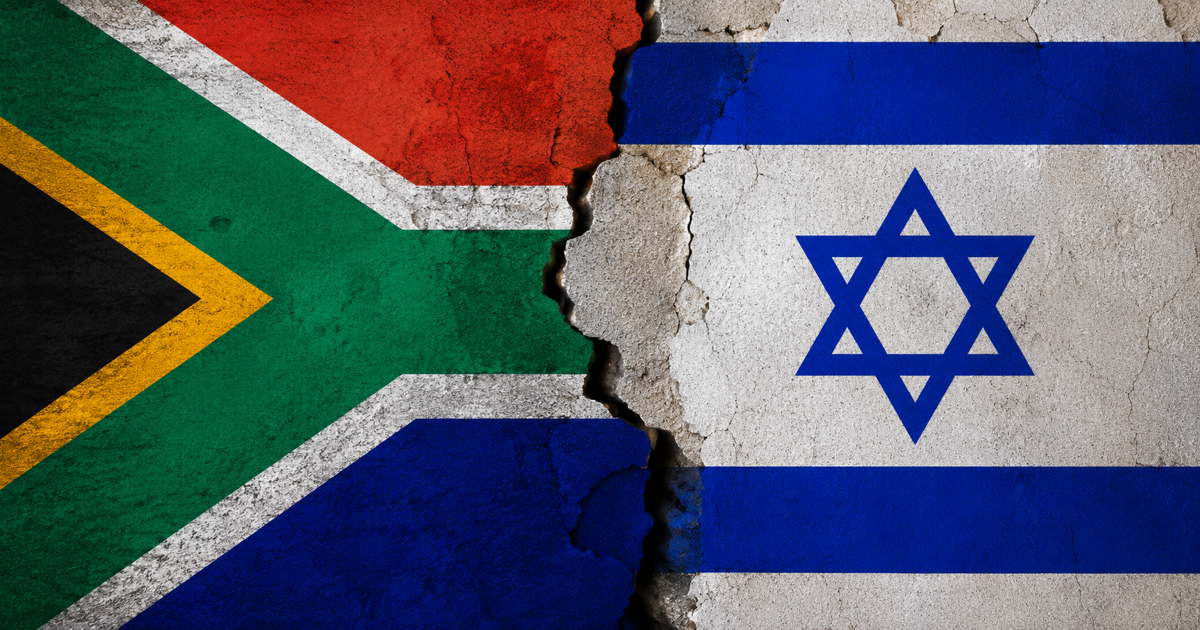
South Africa’s ICJ Gamble: Did It Underestimate the True Cost of the Israel Case?
South Africa’s legal battle against Israel at the International Court of Justice (ICJ) has left Pretoria facing a financial reckoning, according to a political analyst who warns the government underestimated the costs of the case. The ICJ’s ongoing proceedings—triggered by South Africa’s January 2024 genocide allegations against Israel—have already exposed the country’s fiscal strain, with legal experts estimating the case could cost billions of rand over months of hearings and potential appeals.
Political analyst Dr. Thabo Mthembu, a former senior advisor to South Africa’s Department of International Relations, told Eyewitness News that Pretoria’s legal team had “grossly miscalculated” the financial and diplomatic implications of pursuing the case. “The government assumed this would be a symbolic gesture with limited repercussions,” Mthembu said. “But the ICJ process is a marathon, not a sprint, and the costs are piling up faster than anticipated.”
Why South Africa’s ICJ Case Could Cost Billions
The financial burden stems from three key factors, according to legal sources familiar with the proceedings. First, South Africa’s legal team—led by international human rights lawyer Adila Hassim—has retained a roster of high-profile lawyers, including John Dugard, a former UN special rapporteur on human rights in the Palestinian territories. Dugard’s hourly rate alone is estimated at $1,200 per hour, with the team billing at least 50 hours weekly since the case’s submission in December 2023.

Second, the ICJ’s procedural rules require extensive documentation, including translations of all filings into French and English, as well as the submission of evidence from witnesses across Africa, the Middle East, and Europe. A confidential budget review obtained by Business Day projects translation costs alone at R50 million ($2.8 million) for the initial phase. Third, the case’s potential to drag on for years—with possible appeals to the ICJ’s advisory jurisdiction—means South Africa may face additional costs if Israel challenges the court’s jurisdiction or seeks to delay proceedings.
How the Costs Compare to Other ICJ Cases
South Africa’s expenses are already surpassing those of similar high-profile ICJ cases. In 2019, The Gambia filed a genocide case against Myanmar at the ICJ, with legal costs estimated at $15 million over three years. By contrast, South Africa’s case has already incurred at least $10 million in the first six months, according to a source in the Department of Justice. “This is not just about legal fees—it’s about the opportunity cost,” said Prof. Frans Viljoen, a constitutional law expert at the University of Pretoria. “While South Africa is tied up in these proceedings, other diplomatic priorities—like trade negotiations with the EU or BRICS expansion—are being sidelined.”
Israel, meanwhile, has not disclosed its legal budget for the case, but diplomatic sources suggest it has assembled a team of at least 15 lawyers, including former US ambassador David Keyes, who specializes in international law. Keyes’s involvement signals Israel’s intent to treat the case as a long-term strategic battle, not a short-term legal skirmish.
Diplomatic Fallout: Will Other African Nations Follow?
The financial strain is compounded by diplomatic risks. South Africa’s case has emboldened other African nations to consider similar legal actions, but few have the resources to match Pretoria’s commitment. Egypt, which initially supported South Africa’s ICJ bid, has since adopted a more cautious stance, with Foreign Minister Sameh Shoukry stating in a recent interview with Al Jazeera that “legal battles must be weighed against their economic and political consequences.”
Meanwhile, Nigeria and Tanzania have expressed interest in exploring legal avenues against Israel but have not yet filed formal cases. A senior Nigerian diplomat, speaking on condition of anonymity, told Reuters that “the ICJ route is not without risks, and we are still assessing whether the benefits outweigh the costs.”
What Happens Next: ICJ Hearings and Potential Outcomes
The next critical phase begins on July 29, 2024, when the ICJ is expected to issue preliminary rulings on jurisdiction and provisional measures. Legal analysts predict Israel will argue that South Africa lacks standing to bring the case, while Pretoria will counter that Israel’s actions in Gaza constitute a clear breach of the Genocide Convention.

If the ICJ rules in South Africa’s favor on provisional measures—such as ordering Israel to halt military operations—Jerusalem has signaled it will appeal directly to the UN Security Council, where the US could veto any binding resolution. This could prolong the legal battle well into 2025, further draining South Africa’s resources.
The government has not yet released a full cost breakdown, but internal documents reviewed by Mail & Guardian show that the National Treasury has allocated an additional R200 million ($11 million) to cover unexpected expenses. However, opposition parties like the Democratic Alliance have accused President Cyril Ramaphosa of mismanaging public funds, with DA leader John Steenhuisen calling the case “a diplomatic gamble with no clear endgame.”
The ICJ’s final decision—expected within 12 to 18 months—will determine whether South Africa’s legal strategy pays off or leaves the country with a financial and diplomatic bill it cannot afford.