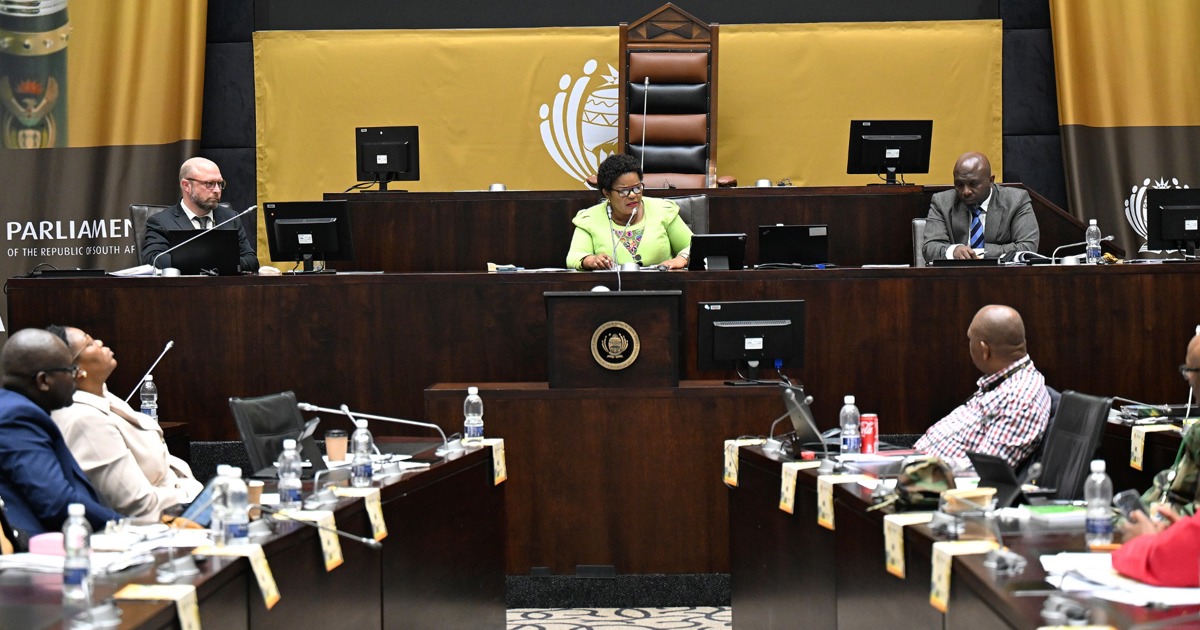
South Africa’s Committee Considers Key Rules for President Ramaphosa’s Section 89 Probe
The National Assembly’s programming committee has convened to finalize the procedural framework governing the implementation of Section 89 of the Constitution, specifically concerning the handling of potential impeachment proceedings against President Cyril Ramaphosa. Lawmakers are currently debating the specific rules and administrative thresholds required to manage the inquiry process, ensuring that any future investigations into the conduct of the head of state adhere to established parliamentary protocols.
Establishing Procedural Frameworks
Parliamentary officials are tasked with codifying the mechanisms that would govern an independent panel’s assessment of the President. The discussions focus on the evidentiary standards required to trigger a formal impeachment inquiry and the degree of transparency that must be maintained throughout the committee’s deliberations. These rules are intended to provide a standardized approach for the legislature to exercise its oversight mandate, preventing procedural ambiguity should the assembly be required to evaluate allegations of serious constitutional or legal violations.

The committee’s current focus remains on the mechanics of the inquiry process itself. This includes defining the timeline for the appointment of independent experts, the scope of the panel’s access to state records, and the rights of the President to provide a formal response to any findings presented to the House. By formalizing these steps, the legislature aims to insulate the process from partisan fluctuations and ensure that the constitutional requirements of the Section 89 process are met with institutional consistency.
Institutional Oversight and Legal Compliance
The deliberations are occurring against the backdrop of broader parliamentary reform efforts aimed at strengthening the oversight role of the National Assembly. While the rules under discussion are technical in nature, they carry significant weight for the separation of powers within South Africa’s constitutional democracy. Legal advisors to the committee have emphasized that the procedures must align with the judiciary’s interpretations of the National Assembly’s obligations, particularly regarding the need for rational and fair administrative processes when dealing with the highest office in the executive branch.
Opposition parties represented on the committee have pushed for expedited timelines, arguing that the lack of clear, pre-existing rules creates unnecessary delays in holding the executive accountable. Conversely, representatives from the governing party have highlighted the necessity of rigorous vetting for the proposed rules to avoid future legal challenges that could render the outcome of any potential impeachment process void.
The programming committee is scheduled to meet again next week to vote on the final draft of the rules, which will then be presented to the full National Assembly for adoption.