
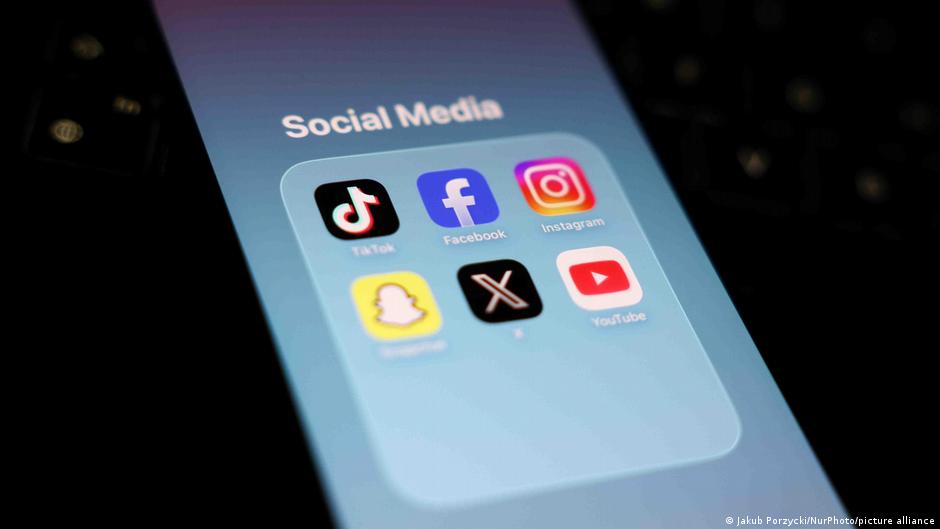
Los Angeles County Superior Court saw the opening of a landmark trial Monday accusing Meta, the parent company of Instagram, and Google-owned YouTube of deliberately designing addictive platforms that harm the mental health of young users. The case, considered a bellwether for hundreds of similar lawsuits nationwide, centers on allegations that the social media giants knowingly engineered features to preserve children hooked.
Mark Lanier, attorney for the plaintiff, 20-year-old KGM, told jurors the companies “engineered addiction in children’s brains,” pointing to internal documents and research to support the claim. KGM alleges she suffered severe mental harm after becoming addicted to social media, beginning with YouTube at age six and Instagram at age nine, and posting 284 YouTube videos before finishing elementary school. “They don’t only build apps; they build traps,” Lanier stated.
Lawyers representing Meta countered that there is no scientific consensus on social media addiction, arguing that KGM’s mental health struggles stemmed from pre-existing family issues, emotional abuse, body image concerns, and bullying – factors unrelated to platform use. A spokesperson for YouTube, Jose Castaneda, asserted that “the allegations in these complaints are simply not true.”
The trial is expected to last several weeks and will feature testimony from key executives, including Meta CEO Mark Zuckerberg and Instagram head Adam Mosseri. The outcome could significantly impact how social media platforms are regulated and designed for children.
TikTok and Snap, initially named in the lawsuit, settled for undisclosed amounts prior to the trial’s commencement.
Simultaneously, a separate trial began Monday in New Mexico, alleging Meta failed to protect young users from sexual exploitation. In June, a bellwether trial is scheduled to begin in Oakland, California, where school districts are suing social media platforms over the harm they claim the platforms have inflicted on children.
These US legal challenges arrive as international debate intensifies regarding restrictions on children’s access to social media. Australia banned social media use for those under 16 last year, and France’s ban for children under 15 is set to take effect in September. Preliminary findings released Friday by the European Commission identified TikTok’s “addictive design” as a potential breach of European Union law.
