
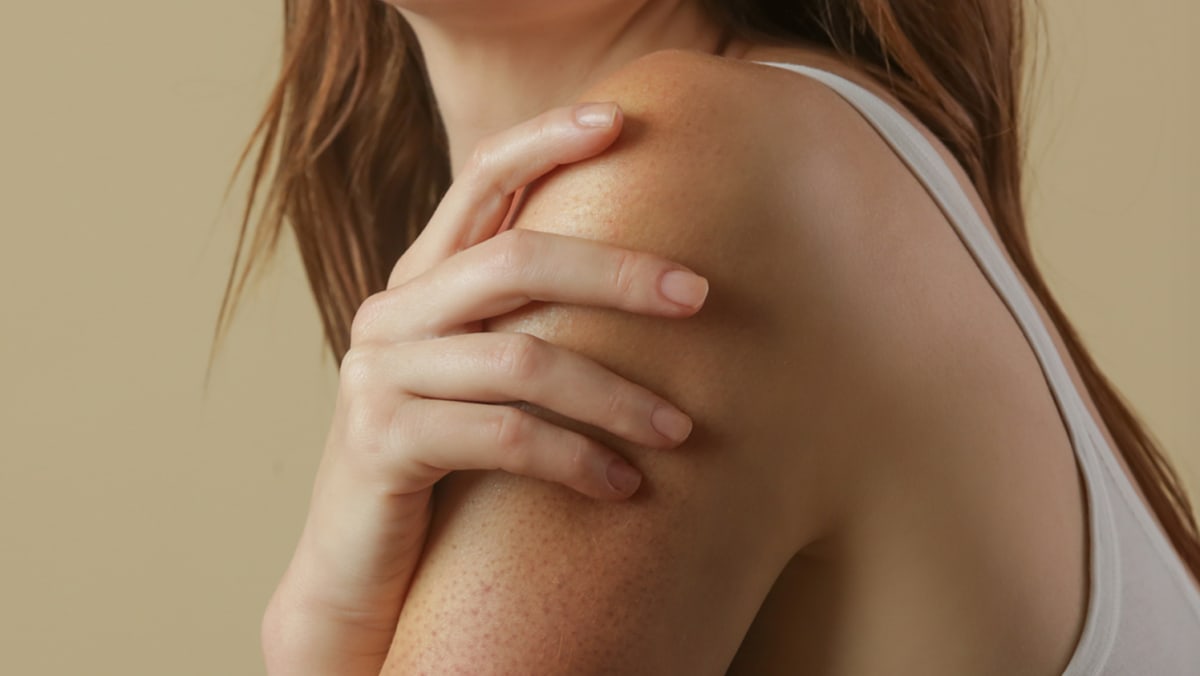
Smoothing Keratosis Pilaris: A Thorough Guide
Bucharest – May 7, 2024 –
What is keratosis pilaris, and how can you manage it? Often referred to as “chicken skin,” keratosis pilaris manifests as small, rough bumps, typically on the upper arms or thighs.This article explores the causes, identifying that keratin buildup is the primary culprit. We outline effective strategies, including moisturization and exfoliation, to mitigate the appearance of these bumps. For further insights into treatment, read on.
Smoothing Keratosis Pilaris: A Thorough Guide
Keratosis pilaris, often described as “chicken skin,” is a common skin condition characterized by small, rough bumps, typically on the upper arms, thighs, or cheeks. While a definitive cure
remains elusive, effective strategies exist to significantly improve the skin’s appearance and texture.
Understanding Keratosis Pilaris
Keratosis pilaris occurs when keratin, a protein that protects skin from infection and harmful substances, forms hard plugs within hair follicles. This buildup results in the characteristic bumps. While harmless,these bumps can be a cosmetic concern for many.
The Two-Pronged approach: Moisturize and Exfoliate
The cornerstone of managing keratosis pilaris involves consistent moisturizing and exfoliation. These methods work synergistically to soften the skin and reduce the appearance of bumps.
1.Intense Hydration: The Power of Moisturizers
Dry skin can exacerbate the appearance of keratosis pilaris. Thus,maintaining optimal skin hydration is paramount. Applying moisturizer immediately after bathing or showering helps lock in moisture.
- Choose the Right Formula: Opt for thick, creamy formulations containing ingredients like urea, lactic acid, and glycerin. These ingredients are known for their hydrating and exfoliating properties.
- Regular Application: Consistent use of body lotion or cream softens bumps and improves overall skin texture.
2. Exfoliation: Sloughing Away Dead Skin Cells
Regular exfoliation helps remove dead skin cells, preventing the buildup that contributes to keratosis pilaris. Though, selecting the appropriate exfoliant for your skin type is crucial to avoid irritation or damage.
- physical Exfoliants: Body scrubs containing granules are suitable for individuals with generally normal skin.Avoid products that feel excessively rough.
- Chemical Exfoliants: For sensitive or dry skin, chemical exfoliants offer a gentler approach. Look for products containing:
- Alpha-Hydroxy Acids (AHAs): Glycolic acid and lactic acid exfoliate the skin’s surface.
- Beta-Hydroxy Acids (BHAs): Salicylic acid penetrates deeper into hair follicles, addressing buildup at the source.
Notable Considerations
Managing keratosis pilaris requires patience and consistency. Treating keratosis pilaris frequently enough requires regular and consistent use and application of products. Improvements can take time, so patience is key,
according to Dr. Yong.
Avoid harsh soaps or aggressive treatment products that can worsen the condition.Gentle skincare is essential.
When to Seek Professional Help
If over-the-counter treatments fail to provide noticeable improvement, consulting a dermatologist is advisable. A dermatologist can offer prescription-strength treatments and personalized recommendations.
