
Tiny Titans: Meet the World’s Five Smallest Animals
New discoveries are constantly revealing the amazing biodiversity of our planet, and recent attention has turned to the remarkable world of miniature creatures – some so small they’re nearly invisible to the naked eye. Despite their diminutive size, these animals possess complex biological systems and remarkable survival strategies, challenging our perception of what it means to be alive.From rainforests to the deep sea, these tiny titans demonstrate that life thrives at every scale. Here are five of the smallest animals on Earth:
1. Paedophryne amauensis (Frog): Officially recognized as the world’s smallest vertebrate, this amphibian from papua New Guinea averages just 7.7 millimeters (0.3 inches) in length. Discovered in 2009, Paedophryne amauensis lives in leaf litter on the forest floor and lays a surprisingly small number of eggs – typically just two – directly on the ground.
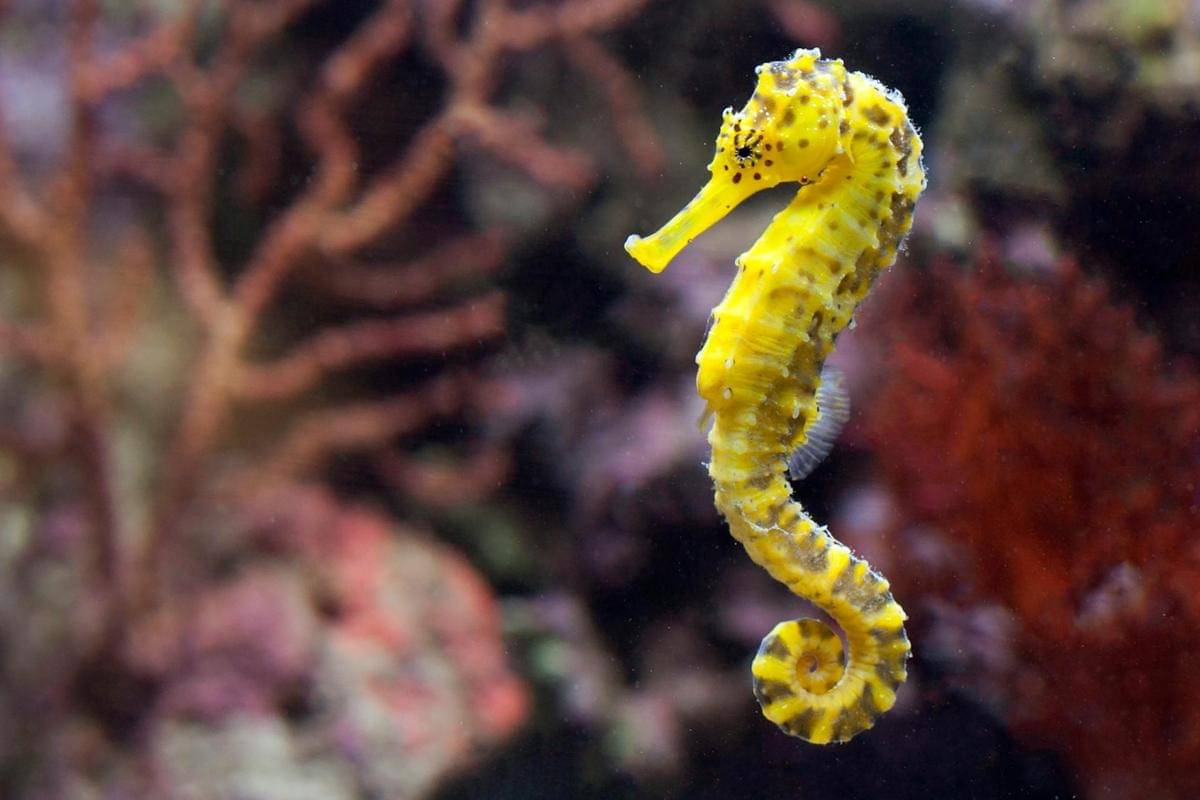
2.denise’s Seahorse (Hippocampus denise): This pygmy seahorse, found in the coral reefs of the Philippines, measures a mere 13.8 millimeters (0.54 inches) tall. Its tiny size and masterful camouflage allow it to blend seamlessly with its gorgonian coral habitat, making it a challenging species to study.
3. Tardigrade (Water Bear): While size varies between species,many tardigrades are less than 1 millimeter long. These microscopic invertebrates are renowned for their extreme resilience. They can survive in incredibly harsh conditions – from extreme temperatures and radiation to the vacuum of space – by entering a state of suspended animation called cryptobiosis.
4. Dicopomorpha echmepterygis (Fairyfly Wasp): Males of this parasitic wasp species are among the smallest insects known, measuring just 0.139 millimeters (0.0055 inches) long. Found in Costa Rica, these tiny wasps lay their eggs inside the eggs of other insects.
5. Myxobolus shekel (Microscopic Parasite): Pushing the boundaries of animal size, Myxobolus shekel is a myxosporean parasite measuring only 8.5 micrometers (0.00033 inches) in length. This single-celled animal infects fish and represents one of the smallest known multicellular animals.
These incredible creatures highlight the vastness and complexity of life on Earth, proving that size is no barrier to survival and adaptation. Ongoing research continues to uncover more about these miniature marvels and their vital roles in their respective ecosystems.
