
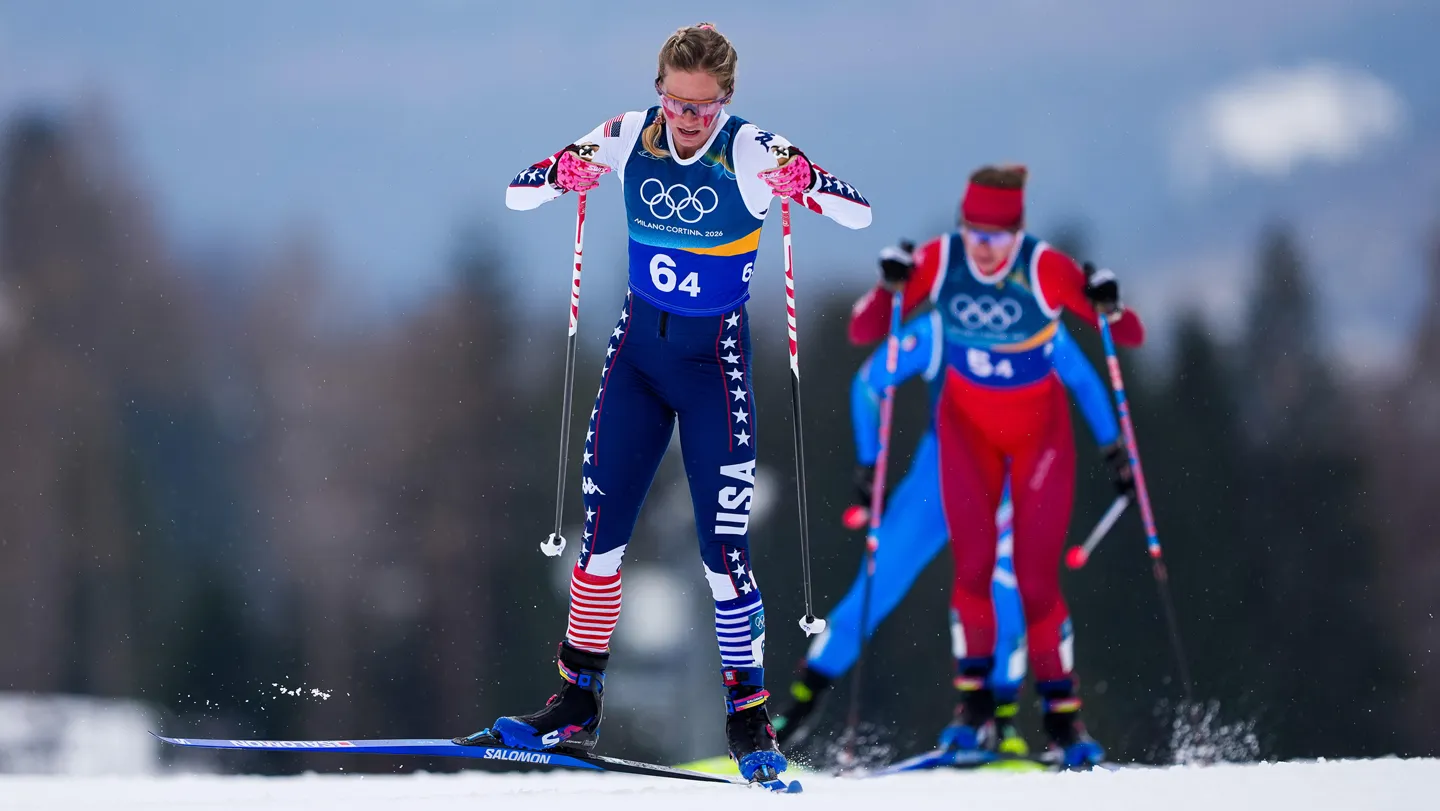
The 2026 Winter Olympic Games in Milan, Italy, concluded with athletes navigating warmer and wetter conditions than anticipated. From ice rinks to ski slopes, unseasonably high temperatures contributed to a rash of falls and disappointing performances, raising concerns about the future of winter sports in a changing climate.
Several Olympians cited the slushy conditions as a factor in their results. Figure skaters, speedskaters, and cross-country skiers were among those affected, according to reports. While specific instances of falls or performance impacts weren’t immediately detailed, the overall consensus pointed to the challenging conditions.
The challenges extended beyond the Olympics, with the upcoming 2026 Winter Paralympics, scheduled to begin March 6, also facing similar concerns. More nations are reportedly skipping the opening ceremony of the Paralympics as a form of protest, though the reason for the boycott was not immediately clear.
The reliance on artificial snow was a prominent feature of both the Olympic and Paralympic games. Snow hydrologist Noah Molotch of the University of Colorado Boulder explained that artificial snow differs significantly from natural snow in its structure. Created by spraying water into the air with high-pressure hoses at temperatures below –2.5° Celsius (27.5° Fahrenheit), it forms bead-like crystals that lack the airiness of natural snowflakes.
This difference impacts performance. Artificial snow tends to be firmer and more resistant to rutting, allowing for faster speeds, but also creating a harder surface to fall on. Skiers and snowboarders require specialized waxing and equipment adjustments to navigate these conditions effectively, as Team USA coach Sarah Cookler noted, emphasizing the importance of adapting to the abrasive nature of artificial snow.
The increasing need for artificial snow is a direct consequence of a warming climate. Analysis indicates the Northern Hemisphere has lost an average of seven winter days per year below freezing since 2014, with Europe experiencing a loss of two weeks annually. This trend is forcing ski resorts to rely more heavily on snowmaking to maintain viable conditions.
While indoor ice sports, such as figure skating and hockey, are less directly affected by these changes, ice quality remains a critical factor. Kelsey Koelzer, head coach for women’s ice hockey at Arcadia University, highlighted the impact of ice temperature and hardness on game speed and player performance. Maintaining consistent ice quality, even in controlled indoor environments, presents ongoing challenges.
The impact of warming temperatures extends beyond competition venues to recreational activities. The period of safe ice cover on lakes and ponds is shortening, and the formation of unstable “white ice” – snow that melts and refreezes – is becoming more common. Experts like Joshua Culpepper of York University and Sapna Sharma emphasize the need for caution and self-rescue training for anyone venturing onto frozen bodies of water. They recommend never skating alone and being aware of the risks associated with white ice, which can be significantly weaker than clear ice.
As the climate continues to change, athletes and organizers are adapting to new realities. The increasing prevalence of artificial snow and the need for specialized training and equipment are becoming the norm. However, the long-term sustainability of winter sports in a warming world remains an open question.
