Sleeping with TV On: Health Risks and Scientific Warnings
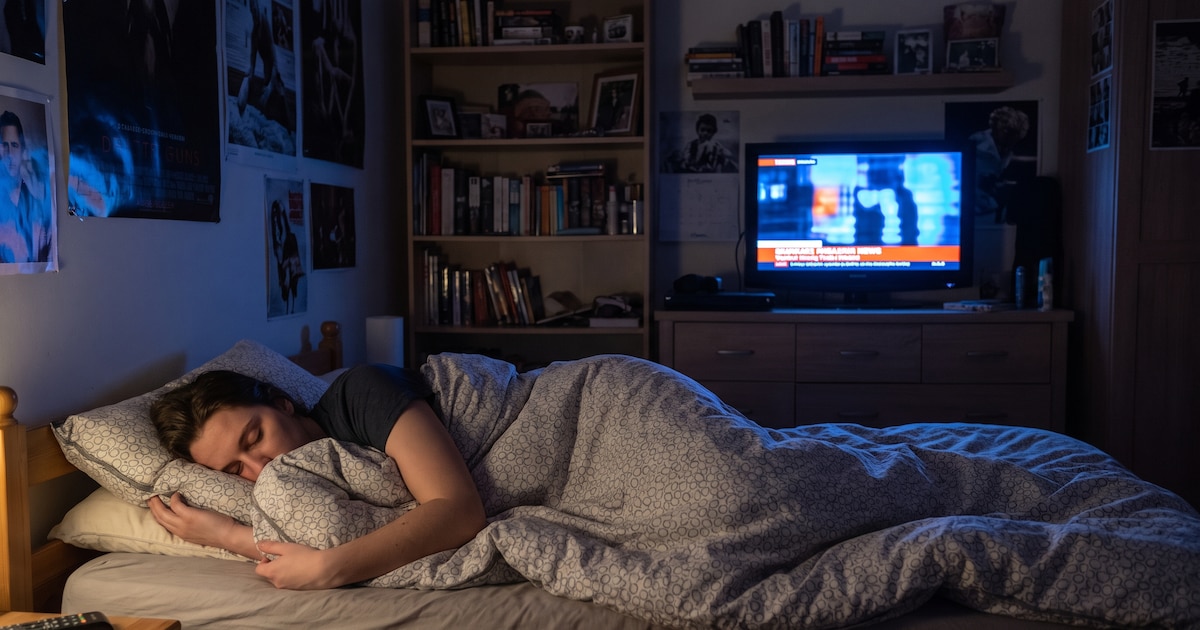
Exposure to artificial light at night (ALAN), particularly from television screens, disrupts the human circadian rhythm and impairs sleep architecture, according to the NIH and the WHO. This nocturnal light exposure triggers a cascade of neuroendocrine responses that suppress melatonin production, potentially leading to long-term metabolic and cardiovascular morbidity.
- Circadian Disruption: Light emission from television screens suppresses the secretion of melatonin, the hormone responsible for regulating the sleep-wake cycle.
- Metabolic Impact: Chronic exposure to nocturnal light is correlated with an increased risk of weight gain and altered glucose metabolism.
- Sleep Quality Degradation: Even when the brain perceives sleep, light-induced arousal prevents the transition into deep, restorative sleep stages.
Biological Mechanisms of Light-Induced Sleep Disruption
The human body relies on the suprachiasmatic nucleus (SCN) of the hypothalamus to synchronize physiological processes with the 24-hour solar cycle. When individuals fall asleep with a television left on, the light emitted by the screen enters the retina, signaling to the brain that it is still daytime. This suppresses the pineal gland’s release of melatonin, which is essential for initiating and maintaining sleep.

The resulting sleep fragmentation is not merely a matter of subjective tiredness. It represents a systemic physiological stressor. Research indicates that individuals exposed to artificial light during sleep often experience an increase in sympathetic nervous system activity. For patients struggling with chronic insomnia or unexplained sleep disturbances, it is imperative to undergo a professional sleep study. Patients should seek guidance from a sleep medicine specialist to evaluate the necessity of a polysomnography assessment.
Epidemiological Links Between Nocturnal Light and Metabolic Health
Beyond immediate fatigue, the long-term implications of sleeping with electronic devices involve significant metabolic risks. Research supported by the NIH suggests that light exposure during sleep is associated with an increased body mass index (BMI) and a higher probability of obesity. The mechanism appears to involve the disruption of hunger-regulating hormones, which are governed by the circadian clock.

Diego Golombek emphasizes that the body’s internal clock is not limited to the brain but exists in nearly every cell, including those regulating adipose tissue and insulin sensitivity. When light disrupts these peripheral clocks, the body’s standard of care for nutrient processing is compromised. This reinforces the clinical necessity for strict sleep hygiene protocols, particularly for populations already at risk for Type 2 diabetes or metabolic syndrome. If your current sleep environment remains unoptimized despite behavioral changes, you may require a consultation with an endocrinologist to rule out underlying hormonal imbalances.
Clinical Perspectives on Screen Hygiene
The medical consensus regarding the use of screens in the bedroom is clear: the presence of light sources contraindicates healthy sleep hygiene. While some patients utilize the television as a “sleep aid” to drown out external noise, clinicians argue that the physiological cost outweighs the temporary psychological comfort. The light-induced suppression of melatonin is a process where even a dim, flicking screen can trigger enough retinal stimulation to prevent deep, restorative sleep.
Healthcare providers are increasingly treating sleep quality as a primary diagnostic marker for overall health. If you are experiencing persistent daytime somnolence or cognitive fog, it is essential to move beyond self-diagnosis. Engaging with a diagnostic sleep center can provide the objective data required to distinguish between simple behavioral triggers and more complex sleep disorders.
Future Trajectories in Circadian Research
As research continues to evolve, the medical community is focusing on the long-term neurological impacts of circadian misalignment. The World Health Organization (WHO) has highlighted the potential for shift work—and by extension, chronic circadian disruption—to act as a carcinogen due to the suppression of immune-modulating hormones like melatonin. While falling asleep with the television on is a common habit, it represents a preventable risk factor for a wide range of chronic conditions. Future clinical interventions will likely focus on “circadian-friendly” lighting technologies and personalized sleep therapy to mitigate these risks in the modern technological environment.

Disclaimer: The information provided in this article is for educational and scientific communication purposes only and does not constitute medical advice. Always consult with a qualified healthcare provider regarding any medical condition, diagnosis, or treatment plan.