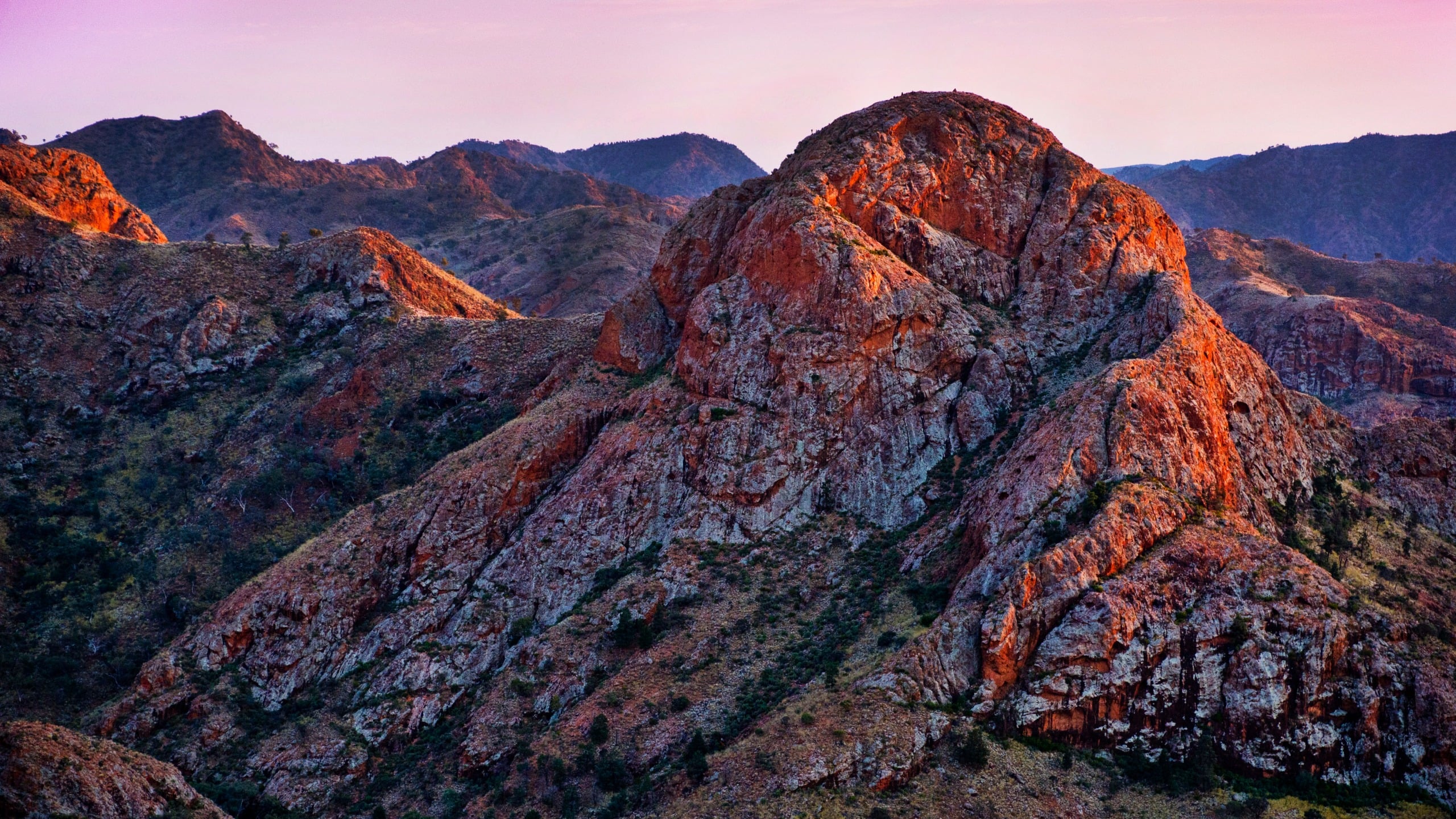
Researchers Suggest Microbes Move Uranium in Australian Mine Waste
Mount Painter Uranium Tailings Transported to Surface by Soil Microbes
In 1944, rocks from the Mount Painter mine in the heart of Australia were sent to the United States for experiments as part of the Manhattan Project, leaving deep historical repercussions that now include biological activity in aging waste piles.
New data derived from surface samples of the tailings at Mount Painter’s Number 6 Workings indicate that the location might not offer the level of containment previously assumed. These waste piles, known as tailings, have supposedly lain undisturbed for more than 80 years since the mine eventually closed in 1965 and was later incorporated into the Arkaroola Wilderness Sanctuary.
Polymetallic Nanoparticles Discovered at Number 6 Workings
An unknown mechanism has driven hazardous minerals upward to the top of the waste piles, resulting in unexpectedly high concentrations at the surface. According to research featured in the Journal of Hazardous Materials, microorganisms inhabiting the debris are actively shifting these toxic compounds into the upper 10cm of the material via polymetallic nanoparticles, thereby altering uranium and rare earth elements.
We have traditionally assumed that these toxic metals were securely locked away by nature in these arid environments, but these tiny organisms are proving us wrong,
says geoscientist Joël Brugger. They are essentially acting as microscopic factories, breaking down stable minerals and mobilizing elements like uranium into the surrounding ecosystem.
Additional investigations will be necessary to definitively establish whether these microbes are the primary drivers behind the alterations observed within the tailings. For now, it remains the scientists’ best guess, as alternative explanations are scarce.

Microbes May Help Uranium Travel Through Rainwater
In other parts of the world, researchers have documented radiation-resistant microbes interacting with uranium waste. The primary concern at Mount Painter is that these microbes appear to be converting the minerals from insoluble phosphates into colloidal forms capable of traveling easily through the environment.
Rain is rare in semi-arid Arkaroola, arriving primarily through sudden summer thunderstorms. Once transformed into colloidal particles, radioactive elements such as uranium can easily become suspended in precipitation, potentially carrying them far beyond the boundaries of the excavation site during regional flash floods. Toxic and radioactive minerals like uranium and rare earth elements pose significant biological hazards if dispersed throughout soil and waterways.
Uranium is highly radioactive, and exposure to it—such as drinking contaminated water or inhaling tiny particles—can cause serious damage to humans and other living things. The paper calls for a serious rethink of how mining waste is managed globally.

Global Critical Mineral Demand Amplifies Tailings Volumes
While Arkaroola is protected from further mining, its radioactive legacy is clearly not over yet. Mount Painter’s Number 6 Workings represents just one of many mines left abandoned after the proliferation of nuclear weapons during the 20th century. At the same time, uranium production continues across the world amid unprecedented demand for metals and minerals.
As a result of continuing global development, the transformation of the world’s energy infrastructure away from fossil fuels, and the electrification of transport infrastructure, demand for base metals such as copper, critical minerals such as rare earth elements, and energy minerals such as uranium is increasing,
Brugger and the research team write in the published study.
The volume of mining waste is expected to increase rapidly as ore grades decrease. Even when uranium is not the primary target of a mine, many rare earth element deposits are intertwined with uranium and thorium that inevitably enter the waste stream.
As we rapidly scale up operations to meet the unprecedented demand for critical minerals, the volume of mining waste generated globally is going to rise significantly,
says environmental microbiologist Santonu Sanyal. Understanding exactly how these native microbes interact with waste materials is absolutely vital if we want to prevent unseen, long-term environmental contamination and develop the sustainable mine of the future.