
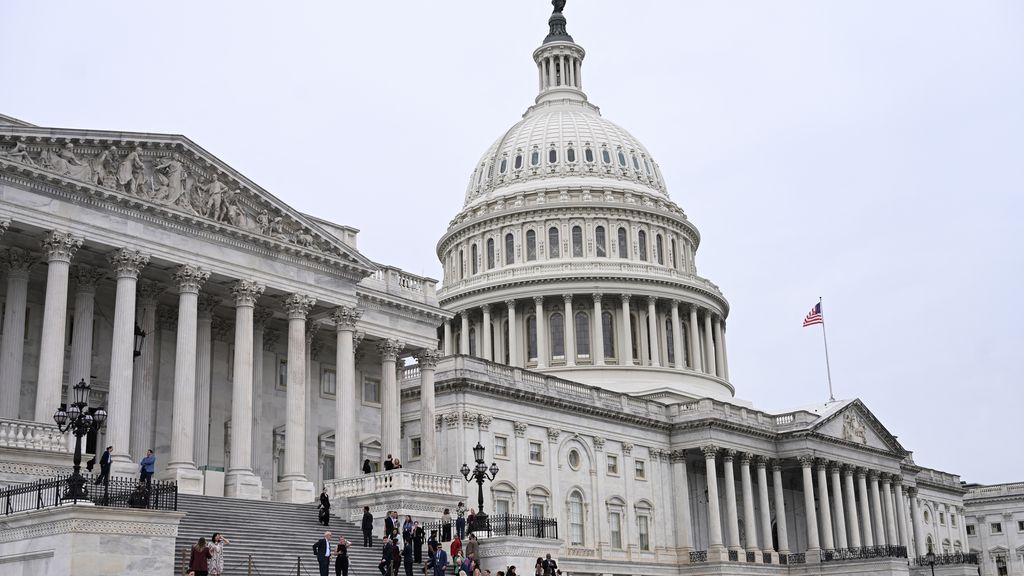
US Government Shuts Down After Funding Deal Collapses
WASHINGTON - The US federal government entered a shutdown Saturday, after Congress failed to reach an agreement on government spending, marking the first such closure in seven years. The last shutdown lasted 35 days.
The impasse halts funding for numerous federal agencies, impacting hundreds of thousands of government employees who face furloughs without pay. Essential services, including those provided by border control, the FBI, and the military, will continue, though personnel may not receive immediate compensation. Public access to national parks and museums is suspended, and air travel is expected to experience disruptions.
A shutdown is a recurring issue in US politics, with important consequences for both federal workers and the public. According to a recent New York Times survey, approximately two-thirds of Americans disapprove of the shutdown. Only 27% believe Democrats should maintain their current position. Even within the Democratic party, 43% of registered voters favor preventing a shutdown, even if it requires concessions to Republicans.
Adding to the pressure, members of Congress are required to continue working without pay during the shutdown. Former President Trump has reportedly threatened to leverage the shutdown to accelerate the dismissal of civil servants, a tactic that previously garnered enough Democratic support for a temporary postponement of a similar threat earlier this year.
The current situation is characterized by intense political rhetoric. Trump shared a deepfake video on Truth Social depicting House Democratic Leader Hakeem Jeffries with a sombrero and mustache, and using an AI-generated voice to falsely claim Senator Chuck Schumer advocated providing healthcare to undocumented immigrants to secure votes. Jeffries denounced the video as racist and responded by posting a photograph of Trump with convicted sex offender Jeffrey Epstein on X, stating, “This is real.”
