Shorter Reproductive Lifespan Linked to Higher Bronchiectasis Risk in Women
Women who experience a shorter reproductive lifespan face a significantly elevated risk of developing bronchiectasis, according to clinical findings published on News-Medical. The epidemiological data highlights a previously under-recognized intersection between female endocrine aging and chronic pulmonary morbidity, suggesting that reproductive health factors serve as vital indicators for long-term respiratory disease susceptibility.
Key Clinical Takeaways:
- Shorter reproductive lifespans correlate directly with an increased risk of bronchiectasis development in women.
- Clinical evaluation of pulmonary risk must increasingly incorporate comprehensive gynecological and reproductive histories.
- Early diagnostic screening remains essential for patients presenting with chronic cough and recurrent pulmonary infections.
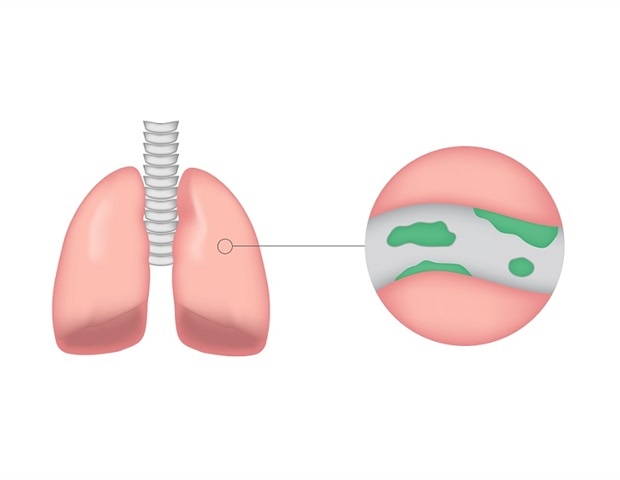
The investigation into reproductive longevity and lung health centers on the systemic effects of estrogen exposure over a woman’s lifetime. Estrogen plays a critical modulating role in immune response, mucosal secretions, and airway epithelial repair within the respiratory tract. When the reproductive lifespan is compressed—whether through early menopause or late menarche—the cumulative duration of endogenous estrogen exposure drops sharply. According to the data evaluated in the study, this reduction may compromise pulmonary structural integrity, leaving bronchi more susceptible to chronic inflammation, recurrent microbial colonization, and eventual permanent dilation characteristic of bronchiectasis.
Physicians managing chronic respiratory complaints must look beyond traditional smoking histories and environmental exposures to evaluate internal endocrine markers. To establish proactive management strategies, patients should consult with specialized pulmonology care centers for advanced high-resolution computed tomography scans and comprehensive pulmonary function testing. Catching airway damage before irreversible structural remodeling occurs remains the primary objective in modern respiratory medicine.
As epidemiological evidence continues to link systemic endocrine profiles with localized organ pathology, clinical guidelines are shifting toward a more integrated model of patient care. Evaluating lifetime hormonal exposure offers clinicians a valuable predictive tool to identify vulnerable cohorts years before severe clinical symptoms manifest. Individuals navigating complex respiratory symptoms or seeking specialized diagnostic evaluations can coordinate care through vetted allergy and immunology specialists to address underlying inflammatory pathways effectively.
*Disclaimer: The information provided in this article is for educational and scientific communication purposes only and does not constitute medical advice. Always consult with a qualified healthcare provider regarding any medical condition, diagnosis, or treatment plan.*