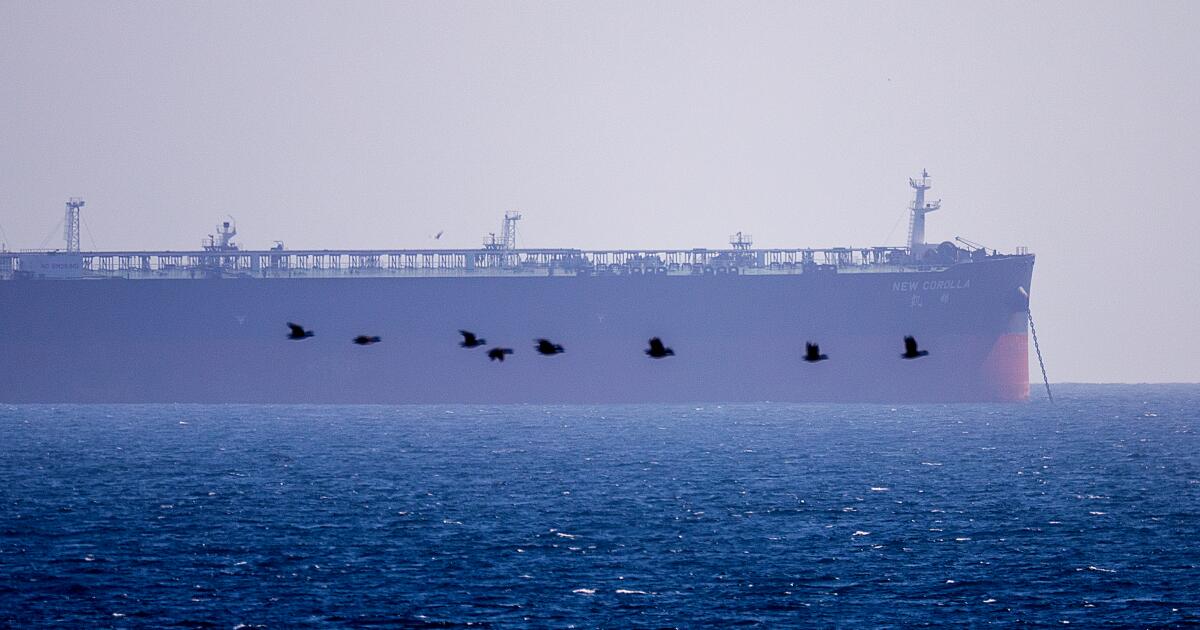
Shipping Companies Hike Fuel Surcharges Amid Iran Conflict
Shipping companies at Los Angeles ports are currently implementing aggressive fuel surcharges and rerouting vessels to avoid costly lanes due to rising container ship fuel prices triggered by the war in Iran. This logistical shock threatens the physical supply chains of the global entertainment industry, impacting everything from massive film set constructions to international concert tour equipment.
For the uninitiated, the glamour of a red-carpet premiere or the sonic wall of a stadium tour is built on a foundation of heavy lifting and diesel fuel. While the industry has spent the last decade obsessing over SVOD metrics and the algorithmic whims of streaming platforms, the physical reality of production remains stubbornly analog. The ports of Los Angeles serve as the primary artery for the Pacific Rim’s entertainment exports—think high-end anime collectibles, K-pop merchandise, and the specialized hardware required for the next generation of immersive cinema. When that artery constricts due to geopolitical volatility, the “invisible” costs of entertainment begin to bleed into the backend gross.
The current fuel shock isn’t just a line item for a logistics manager; it is a strategic crisis for showrunners and studio executives. A blockbuster production budget is a delicate ecosystem of projected spends. When the cost of transporting a multi-ton set piece from an overseas fabrication shop to a soundstage in Burbank suddenly spikes, the production isn’t just paying more—it’s facing a potential collapse of its financial architecture. This is where the friction between creative ambition and ruthless business metrics becomes visceral. A director’s vision of a sprawling, physical city for a period piece suddenly looks a lot more expensive than a green screen, not because of a lack of imagination, but because the fuel surcharges make the shipping lanes untenable.
This logistical nightmare inevitably triggers a domino effect of legal and reputational challenges. When shipping delays push back a filming schedule, the “burn rate” of a production—the daily cost of keeping a crew and cast on payroll—can reach hundreds of thousands of dollars. Studios often find themselves in heated disputes over “Force Majeure” clauses, arguing whether a geopolitical conflict in the Middle East constitutes an “act of God” or a predictable business risk. To navigate these waters, studios are increasingly relying on specialized IP and contract attorneys to renegotiate delivery windows and liability shifts before the production goes into a costly hiatus.
“The industry has spent years optimizing for the digital cloud, but we’ve forgotten that the ‘cloud’ is powered by physical hardware and the ‘magic’ of cinema is often shipped in a 40-foot steel container. We are seeing a return to a world where geography and fuel prices dictate the scale of our storytelling.”
The Great Logistical Pivot: How the Industry is Adapting
The shock at the L.A. Ports is forcing a rapid evolution in how entertainment is produced, and delivered. We are witnessing a shift from “global sourcing” to “strategic localization,” as the risk of avoiding expensive routes becomes a permanent part of the business model. The industry is currently pivoting in three primary directions to mitigate these fuel-driven costs:
- The Virtual Production Surge: There is a massive acceleration in the adoption of “Volume” technology—massive LED walls that replace physical sets. By rendering environments digitally in real-time, studios can eliminate the need to ship tons of physical scenery across oceans, effectively trading fuel surcharges for higher upfront investment in GPU power and digital artistry. This shift protects the brand equity of a franchise by ensuring that production timelines remain stable regardless of port congestion.
- Localized Merchandising Hubs: The era of shipping all artist merchandise from a single overseas factory to a central U.S. Warehouse is ending. Major labels and talent agencies are now diversifying their supply chains, establishing regional printing and manufacturing hubs closer to the end consumer. This reduces the reliance on container ships and mitigates the impact of fuel surcharges on high-volume, low-margin products.
- Touring Logistics Re-Engineering: For global tours, the “logistical leviathan” of moving lighting rigs and sound systems is being reimagined. Instead of shipping every piece of gear, productions are increasingly utilizing “fly-packs” and sourcing heavy equipment from local event logistics and production vendors in each territory. This reduces the carbon footprint and the financial volatility associated with transoceanic shipping.
Beyond the hardware, there is a significant PR challenge. In an era of heightened corporate social responsibility, a studio or a global pop star cannot simply pass these costs on to the consumer without a narrative. When ticket prices rise or “limited edition” merchandise becomes unavailable, the public doesn’t want to hear about fuel surcharges in the Middle East; they want the experience they were promised. When the gap between the promised luxury and the delivered reality becomes too wide, the fallout is immediate and viral. This is why the most successful entities are deploying crisis communication firms and reputation managers to frame these logistical hurdles as part of a broader commitment to sustainability or supply chain ethics.
The reality is that the entertainment industry is a mirror of the global economy. The “fuel shock” at the ports of Los Angeles is a reminder that no matter how many pixels we move or how many streaming subscriptions we sell, we are still tethered to the physical world. The business of culture is, at its heart, a business of movement. Whether it is the shipment of a custom-made gown for the Oscars or the transport of a cinema-grade camera rig, the cost of that movement is now a primary driver of creative decision-making.
As we look toward the next production cycle, the winners will be those who can decouple their creative vision from the volatility of the shipping lane. The industry is moving toward a leaner, more localized, and more digital-centric model—not necessarily because it is more artistic, but because it is the only way to survive a world where the cost of a container ship’s fuel can rewrite a movie’s budget overnight. For those still clinging to the old ways of global shipping, the bill is coming due, and it is arriving with a heavy surcharge.
For those navigating these turbulent waters, whether you are a production house facing budget overruns or a talent agency rethinking a global tour, the right professional network is the only hedge against volatility. The World Today News Directory remains the definitive resource for connecting with the vetted legal, logistical, and PR experts capable of turning a supply chain crisis into a strategic advantage.
Disclaimer: The views and cultural analyses presented in this article are for informational and entertainment purposes only. Information regarding legal disputes or financial data is based on available public records.