
Writer Preserves Queer Indonesian History Through Art
Playwright Dena Igusti explores identity, censorship, and community in their latest work.
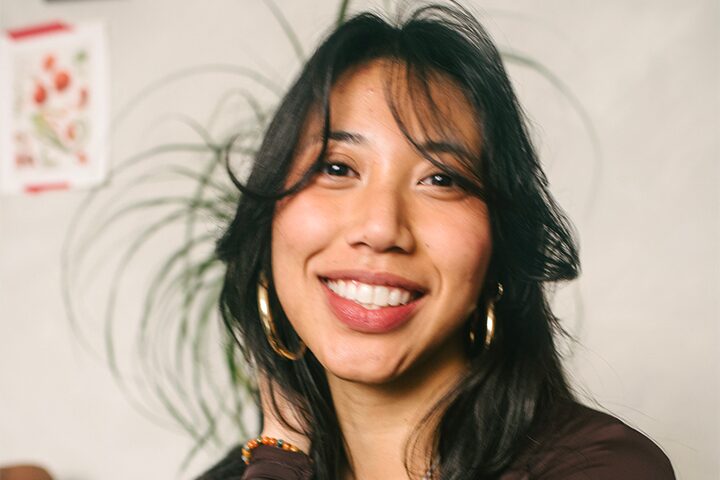
For **Dena Igusti**, a queer Muslim first-generation American of Indonesian descent, storytelling is a powerful tool for preserving community history. Their play, *What You Are to Me*, part of the National Queer Theater’s Criminal Queerness Festival, shares a story of resilience against governmental censorship.
The Story Behind *What You Are To Me*
**Igusti’s** play centers on Sarii, an aspiring singer in Jakarta’s underground lesbian party scene, and a student journalist. The two become socialites in the zine movement, but the 1998 riots force Sarii to move to America and marry a family friend. Years later, her daughter discovers her mother’s past through zine archives.
According to a 2024 report by the Pew Research Center, 69% of Americans believe that artistic expression is essential for societal well-being (Pew Research Center).
Blending Research with Personal Narrative
To create the play, **Igusti** conducted interviews with queer Indonesian women affected by the Suharto dictatorship and those in Queens. Each character represents a blend of multiple women. Additionally, **Igusti** incorporated personal anecdotes and elements of pop culture, karaoke, and zines.
**Igusti** explained, “A lot of the dialogue and the initial formation of the characters are based on a culmination of interviews I had with queer Indonesian women who were affected by Suharto’s dictatorship during the ‘90s and also afterwards most of them mainly based in Queens or they had some part of their immigration story involved being in Queens. So each character is a culmination of multiple women at once.”
Navigating Surveillance and Protecting Community
**Igusti** is mindful of the potential surveillance faced by the Indonesian Muslim community, both before and after 9/11. Indonesia was listed as a CIA ethnicity of interest, leading to interrogations, arrests, and deportations. Using fiction allows **Igusti** to protect and anonymize individuals while telling their community story.
The Importance of Sharing Indonesian-American Stories
**Igusti** aims to archive these community histories, connecting Queens and New York City with queer Indonesian diasporic history. They see it as a quintessentially American community story, reflecting shared values and experiences.
**Igusti** states, “It is a shared story of community truth, of common universal values that all American communities have gone through in one way or another through history.”
It is a shared story of community truth, of common universal values that all American communities have gone through in one way or another through history.
Addressing Authoritarianism and Censorship
The play, initially drafted around 2020, unintentionally reflects current political climates, including censorship in the U.S. and attempts to rewrite Indonesian history. The subject material responds to classic censorship acts, addressing the defunding of arts programs and denial of historical events.
From Pre-Med to Literary Artist
Initially a pre-med biology major, **Igusti** discovered poetry through an open-mic event and a poetry workshop. The collaborative nature of poetry slam fostered a love for feedback and editing. Exposure to other poets’ paths led to pursuing publications, fellowships, and grants.
The Mission: Sharing Community Stories
**Igusti’s** mission is to continue telling and sharing stories of their community, embracing wonder and curiosity to commemorate loved ones. They aim to avoid being confined to a specific genre and to archive their community’s journey, transcending governmental censorship through art.
**Igusti** emphasizes, “To keep telling and sharing stories of my community, to really to lean into wonder and curiosity as much and as wide as possible in order to commemorate all of my loved ones beyond my own memory, to try not to let myself specialize or be categorized into a specific genre.”
**Dena Igusti** is the author of CUT WOMAN and the forthcoming poetry collection Ecdysis: Cacophony of Skins. Their work has been featured in various publications and performed at prominent venues.
