
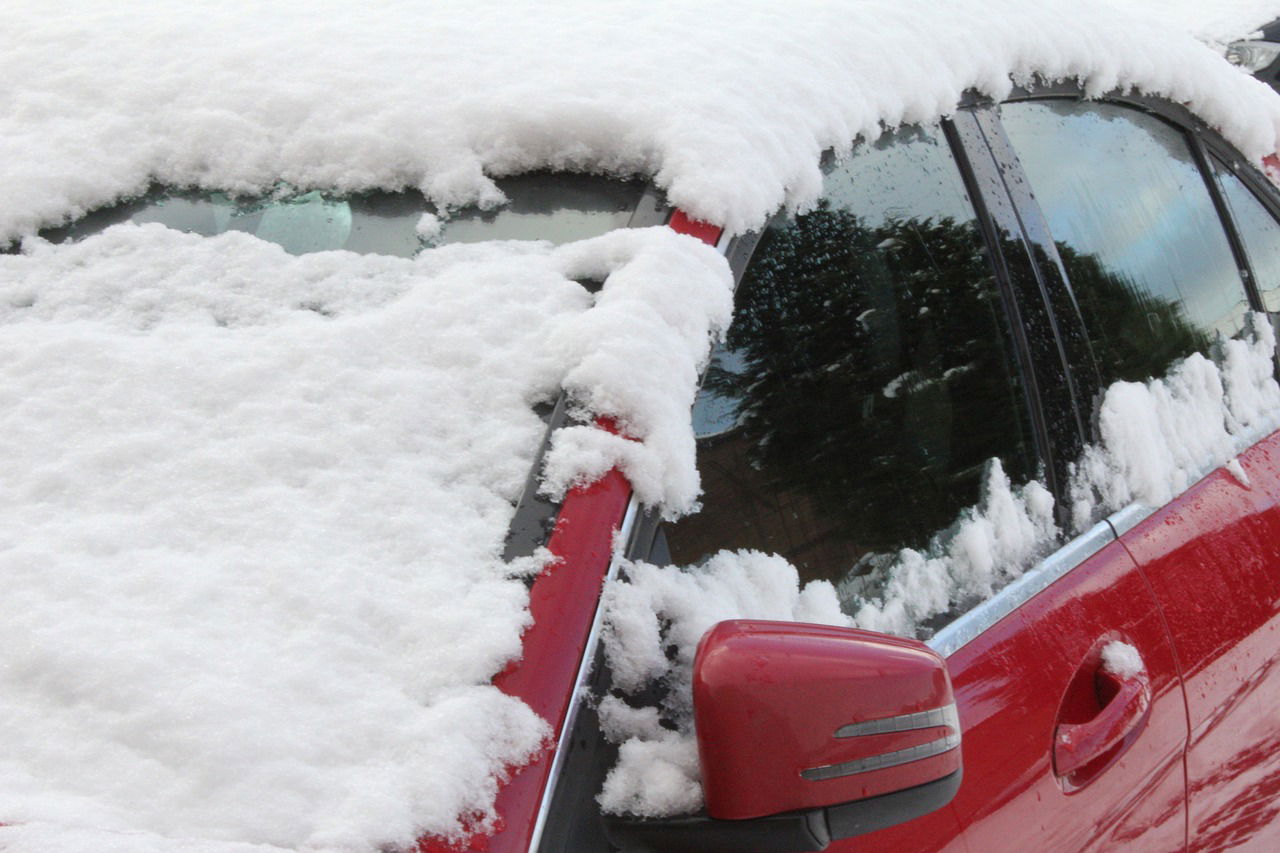
Severe Winter Forecast for Belgium, the Netherlands, and france
Forecasts indicate a perhaps harsh winter ahead for belgium, the Netherlands, and France, characterized by colder temperatures, increased snowfall, and a heightened risk of storms. Multiple meteorological sources, including the KNMI (Royal Netherlands Meteorological Institute), ECMWF (european Centre for Medium-range Weather Forecasts), AccuWeather, and Weather France, concur on a “stormy and changeable” season.
The Netherlands:
The Netherlands is bracing for a winter potentially featuring sleet along the North Sea coast. Inland areas may experience snowfall 15-25 percent higher than normal, with January and February expected to be the snowiest months. A meaningful threat comes from stormy conditions and low-pressure systems, which could cause coastal flooding in Zeeland and South Holland. The weakening of the polar vortex increases the possibility of late Arctic cold outbreaks, particularly in February, potentially disrupting transportation, including the Schiphol airport. The KNMI aligns with ECMWF in predicting a “stormy and changeable” season.
Winter conditions in France will vary regionally. Northern France, including Hauts-de-France and Normandy, is predicted to be colder than average – 1-1.5°C below normal – with above-average snowfall, estimated at 20-30 percent above normal (10-30 cm). While occasional snow is possible in Paris and surrounding areas, rain and ice are more likely, potentially causing urban disruption.
the Alps and Pyrenees are expected to benefit from a promising ski season, with snow accumulations exceeding 150 cm at higher altitudes, which presents challenges for mountain infrastructure. Southern France (Provence, Côte d’Azur) is anticipated to be milder and drier, with temperatures around or slightly above normal (+0.5°C). However, late cold spells could bring unexpected frost to vineyards, impacting agriculture. Weather France’s analysis, drawing parallels with the 2013-2014 season, suggests a “dynamic” season with frequent storms in the north and west, potentially leading to coastal erosion in Brittany.
Preparing for a Harsh Winter:
Given these forecasts, preparation is crucial across the three countries:
* Energy and Heating: Northern regions should anticipate potential heating costs 10-20 percent higher due to prolonged cold.
* Transport and public Safety: Snow and ice could disrupt rail and road networks, particularly in January-February. Adequate salt supplies and efficient snow removal operations are essential.
* Agriculture and Infrastructure: French farmers need to protect crops from late frost, while Dutch coastal areas must enhance flood protection measures.
Outlook:
While current forecasts are robust, weather patterns remain inherently unpredictable.Meteorological agencies like ECMWF, NOAA, and national weather services will continue to refine these predictions as winter approaches. The convergence of La Niña, polar vortex disruptions, and QBO signals suggests a winter with significant impact across Northern and Central Europe. Belgium and the Netherlands face increased risks of snow and storms, while France requires regionally-specific preparations due to the north-south temperature and precipitation distribution.
