
South Korean Game Industry Condemns Seongnam’s ‘Addiction’ Contest
A coalition of eight South Korean game industry associations is demanding a public apology from Seongnam City following a controversial contest that associated internet games with “four major addictions,” alongside alcohol, drugs, and gambling. The associations are also seeking assurances that such incidents will not recur.
Game Industry Outcry Over “Addiction” Label
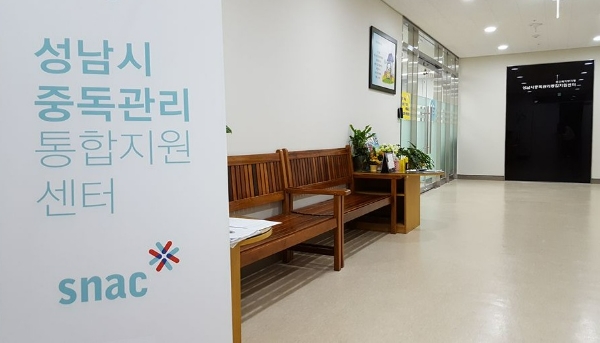
The controversy stems from the “2025 Video, Short Foam, and CM song AI Contest” hosted by Seongnam City and its Addiction Management Integration Support Center. the contest’s theme of preventing “four major addictions” sparked immediate backlash from the game industry, wich views the comparison as outdated and damaging to its reputation.
Did You Know? South Korea is one of the world’s largest gaming markets, with an estimated revenue of $20.7 billion in 2023, accounting for 6.9% of the global market [1].
On June 15, 2025, the associations released a joint statement denouncing the contest as a rehash of outdated and harmful stereotypes. Prominent figures like Nam Gung-hoon, Chairman of the Game Talent Foundation and former head of Kakao and Kakao Games, and Hwang Hee-du, former chairman of the democratic Game Special Committee, have also voiced their criticism on social media.
Key Figures and Organizations Involved
The eight organizations involved in the joint statement are:
- Game Culture foundation
- Game Talent Foundation
- Korean Game Developers Association
- Korean Game Law Book Association
- Korean Game Industry Association
- Korean Game Policy Association
- Korean D-game association
- Korea e-Sports Association
Seongnam’s Game Industry Hub
The joint statement emphasizes the significant contribution of the game industry to South korea’s economy, particularly in Seongnam City. The city is considered a central hub for the domestic game industry ecosystem, employing approximately 44,000 people. Game-related exports account for 77% of seongnam’s total content industry exports.
Pro Tip: The korean game industry accounted for approximately 60% of the total content exports in South Korea in 2024.
The associations argue that despite the industry’s economic importance and its role as a “future growth engine” for the K-contents industry, it continues to face negative perceptions and stigmatization.They believe that associating internet games with severe addictions not only damages the industry’s image but also demeans game users and professionals.
Demands for Action
In their joint statement,the game industry councils demand that Seongnam City and its Addiction Management Integration Support Center take the following actions:
- conduct a full review of the contest,including the possibility of complete cancellation.
- Issue an official apology from the chief executive officer and pledge to prevent similar incidents in the future.
The associations urge Seongnam City to recognize the gravity of the situation and make a “right decision with reasonable judgment,” emphasizing that all attempts to promote misunderstandings and prejudice against the game industry and its users must cease.
The Broader Context of Gaming and Addiction
The debate over gaming and addiction is not new. The World Health Organization (WHO) added “gaming disorder” to its International Classification of Diseases (ICD-11) in 2018, defining it as a pattern of persistent or recurrent gaming behavior that takes precedence over other life interests [2]. However, the inclusion remains controversial, with some researchers arguing that the evidence base is weak and that the diagnosis could lead to unnecessary stigmatization.
| Metric | Value | Year |
|---|---|---|
| Game Industry Revenue | $20.7 Billion | 2023 |
| Contribution to Global Market | 6.9% | 2023 |
| Seongnam City Game Industry Employment | 44,000 | 2025 |
| Game-Related Exports (Seongnam) | 77% of Content Exports | 2025 |
Evergreen Insights: Background,Context,ancient Trends
The South Korean game industry has experienced rapid growth over the past two decades,becoming a global leader in online gaming and e-sports. The industry’s success is attributed to factors such as widespread broadband internet access, a strong gaming culture, and government support for the digital entertainment sector. Though, concerns about gaming addiction and its potential impact on mental health have also grown, leading to ongoing debates about regulation and responsible gaming practices.
FAQ: Gaming and Addiction in South Korea
- Why is the South Korean game industry upset with Seongnam City?
- The game industry is upset as Seongnam City’s contest associated internet games with “four major addictions,” which they view as a harmful stereotype.
- What are the “four major addictions” mentioned in the contest?
- The “four major addictions” are alcohol, drugs, gambling, and internet games.
- How vital is the game industry to Seongnam City’s economy?
- The game industry is very important, employing approximately 44,000 people and accounting for 77% of the city’s content industry exports.
- What actions are the game industry associations demanding from Seongnam City?
- They are demanding a full review of the contest and an official apology from the city’s chief executive officer.
- Has gaming disorder been recognized as a mental health condition?
- Yes, the World Health organization added “gaming disorder” to its International Classification of Diseases (ICD-11) in 2018.
- What percentage of the global game market does South Korea represent?
- South Korea represents approximately 6.9% of the global game market.
What are your thoughts on the connection between gaming and addiction? should governments play a role in regulating the gaming industry?
Share this article and join the discussion! Subscribe to World Today News for more updates on the global gaming industry.
