
Escalating Tensions: Trump Management Confronts Sanctuary Cities Over Immigration policies
Table of Contents
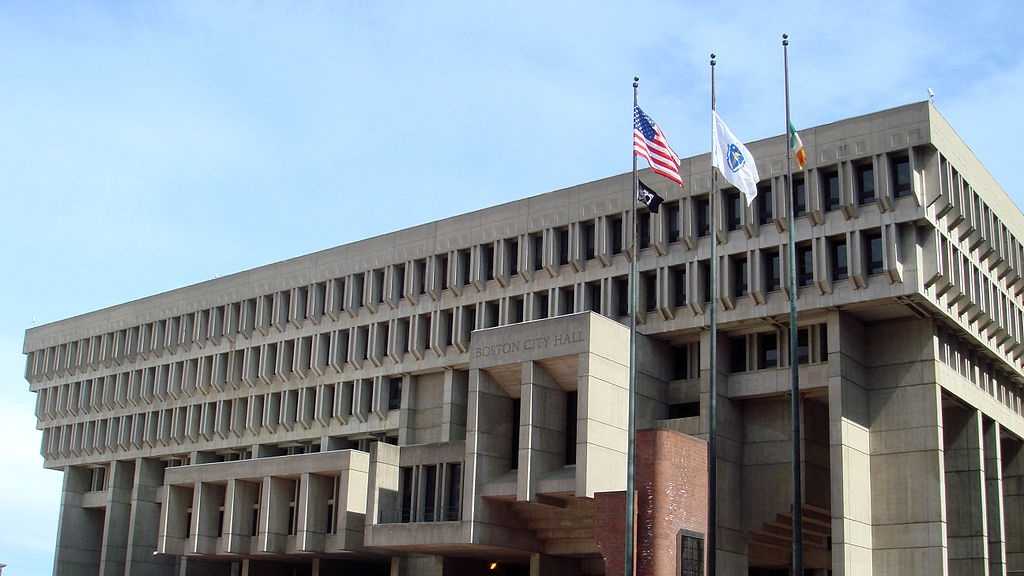
BOSTON – A direct challenge to so-called sanctuary cities is unfolding as the U.S.Department of Justice demands full compliance with federal immigration law, threatening legal action and funding cuts. The escalating conflict centers on municipalities that limit cooperation with federal immigration enforcement efforts, a practice the administration argues compromises public safety.
Federal Mandate and Local Resistance
U.S. Attorney General Pam Bondi issued a stern warning to several jurisdictions, including California, asserting that actions ”facilitating or inducing illegal immigration might potentially be subject to criminal charges.” The letter also foreshadowed potential litigation and the withholding of federal funds, intensifying the standoff. This action follows the recent deployment of federal agents-including the National Guard, FBI, and ATF-to Washington, D.C., where they assumed responsibilities typically handled by local police.
Boston, however, appears poised to resist the federal pressure. Mayor Michelle Wu stated unequivocally, “Unlike the Trump administration, Boston follows the law.” The city has been granted one week to demonstrate compliance with federal immigration regulations.
Differing Views on Public Safety
Boston Police Commissioner Michael Cox offered a measured response, stating, “I don’t know. I can’t speak about D.C., but I don’t believe the FBI will be doing traffic stops here. So I do know that we work with the public to provide public safety here in the city.” This suggests Boston does not anticipate a full-scale federal takeover of local law enforcement duties.
Mayor Wu further emphasized Boston’s approach, asserting, “In Boston’s case, we are the proof that cities are safer when you’re safe for everyone and not where we’re undermining trust and causing fear in our communities.” This stance directly contrasts with the Department of justice’s argument that sanctuary policies “impede law enforcement and put American citizens at risk.”
Commissioner Cox echoed the importance of community trust, stating, “I think people in our city look at our officers as someone they can trust, and we work hard at making sure that they can continue to trust us. And we try to hold people accountable that are driving the violence.”
Did You Know?
The term “sanctuary city” is not formally defined in federal law. It generally refers to jurisdictions that have adopted policies limiting their cooperation with federal immigration enforcement.
Demands and Potential Consequences
The federal government’s demands extend beyond mere cooperation.They require sanctuary cities, counties, and states to deny federal benefits-such as housing and food assistance-to undocumented immigrants and to actively collaborate with Immigration and Customs Enforcement (ICE) agents. As of Friday, local leaders in Boston indicated no immediate plans to alter their current policies.
Key Demands Summary
| Demand | Details |
|---|---|
| Federal Benefit Restrictions | Denial of housing and food assistance to undocumented immigrants. |
| ICE Cooperation | Mandatory collaboration with Immigration and Customs Enforcement agents. |
| Compliance Deadline | One week from the date of the Attorney General’s notice. |
Pro Tip: Understanding the legal complexities of immigration law and federalism is crucial for navigating this evolving situation.
What impact will these federal demands have on community policing strategies in sanctuary cities? And how will local economies be affected if federal funding is withheld?
Context: The History of Sanctuary Policies
The concept of sanctuary policies dates back centuries, with roots in religious traditions offering refuge to those fleeing persecution. In the modern context, the movement gained momentum in the 1980s as cities sought to protect undocumented immigrants from deportation.The legal basis for these policies often rests on the Tenth Amendment to the U.S. Constitution, wich reserves powers not delegated to the federal government to the states, and on principles of federalism. The debate over sanctuary cities reflects a broader tension between federal immigration enforcement priorities and local control.
Frequently Asked Questions About Sanctuary Cities
- What is a sanctuary city? A sanctuary city is a municipality that limits its cooperation with federal immigration enforcement efforts.
- Is it legal for cities to be sanctuaries? The legality of sanctuary policies is a complex issue,often debated in court.
- What are the arguments for sanctuary policies? Proponents argue they foster trust between law enforcement and immigrant communities, leading to increased public safety.
- What are the arguments against sanctuary policies? Opponents argue they hinder law enforcement and potentially endanger public safety.
- What is the federal government’s stance on sanctuary cities? The federal government, under the Trump administration, has taken a strong stance against sanctuary policies, seeking to compel compliance with federal immigration law.
This is a developing story. Stay tuned to world-today-news.com for updates.
We value your feedback! Share your thoughts in the comments below, and don’t forget to subscribe for the latest news and insightful analysis.
