
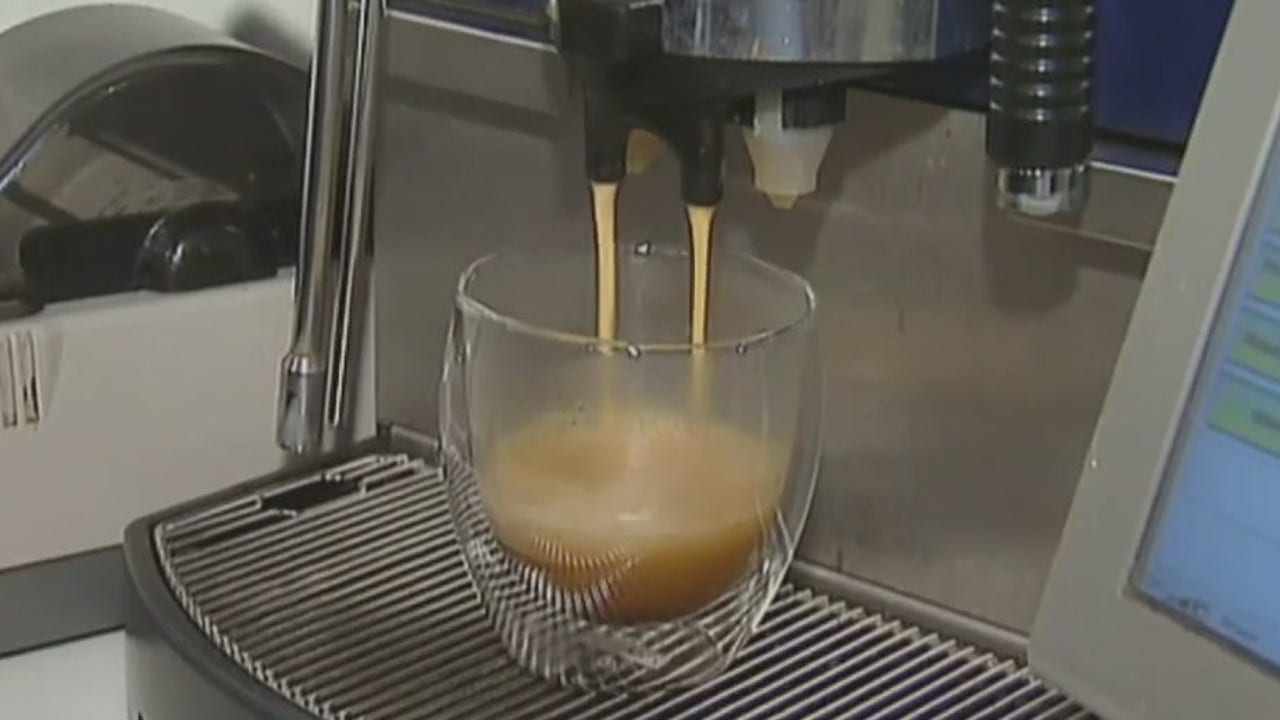
San Jose State Course turns Coffee Brewing into a Science Lesson
SAN JOSE, Calif. – San Jose State University is offering a unique course this semester that blends a popular daily ritual with rigorous scientific study: the chemistry, physics, and engineering of coffee. “The Design of Coffee,” spearheaded by Chemical Engineering Associate Professor Liat Rosenfeld, is proving to be a hit with students and is currently at full capacity with a waitlist.
The course utilizes the process of roasting and brewing coffee to illustrate core scientific principles, drawing inspiration from a similar decade-old program at UC Davis, which generously shared course materials. A key innovation at SJSU is that the class fulfills a general education requirement for physical sciences and provides lab credit, contributing to its rapid popularity.
Students attend two lectures weekly and a three-hour lab session were they apply theoretical knowledge through hands-on experimentation.”For example, we teach concepts like mass transfer and flow through a porous medium – which, in this case, is the coffee bed,” Rosenfeld explained. “We also teach pressure-driven flow, like espresso brewing. Then students test how those factors affect the coffee’s taste and chemical composition.”
Lab work includes measuring variables like pH and analyzing the relationship between acidity and flavor profiles - determining whether a coffee tastes sour or bitter. Rosenfeld emphasized the critical role of grind size, stating, “It’s definitely underrated. Grind size has the biggest impact on extraction - how the chemical compounds move from the grounds into the water. Changing it changes everything.” She noted that finer grounds generally yield more flavor due to increased extraction.
Rosenfeld also offered practical advice for coffee enthusiasts: “Grind your beans as close to brewing as possible. You want to grind it as soon as you can before brewing so that it is fresh.” She explained that delaying grinding leads to increased bitterness in the final brew.
more than 2 billion cups of coffee are consumed globally each day, making it the world’s second most popular drink after water. Rosenfeld hopes the course will help students connect classroom learning to everyday experiences, fostering a deeper understanding of the science behind a beloved beverage.
