
Samsung and Google Lead the Charge into the Next Generation of AR and AI Glasses
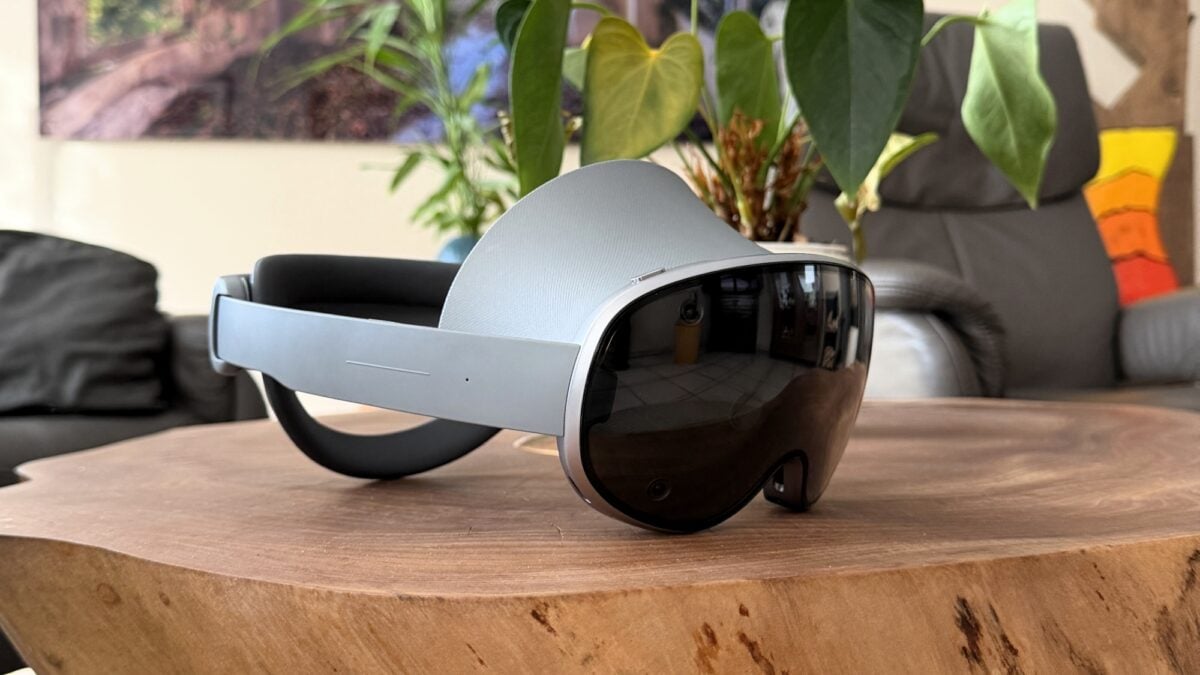
The future of computing is increasingly looking less at screens and more at the world around us, augmented by digital details. Samsung’s recently unveiled Galaxy XR headset is just the first step in this evolution, and both Samsung and Google are heavily invested in developing a range of augmented reality (AR) and artificial intelligence (AI) powered eyewear. Recent discoveries of new model numbers suggest a rapid expansion of these technologies is on the horizon.
Samsung’s Expanding AR Glasses Lineup
Late last year, the model number SM-O200P surfaced, hinting at an upcoming pair of samsung smart glasses as reported by Sammobile.Now, thanks to information from galaxyclub, we know that this device, tentatively dubbed “Galaxy Glasses,” will boast a 12MP camera with autofocus. This suggests a strong emphasis on capturing and interacting with the user’s habitat.More recently, another model number, SM-O200J, has come to light, further fueling speculation about Samsung’s XR ambitions.
Decoding the Model Numbers: SM-O200P and SM-O200J
Initially,the two model numbers – SM-O200P and SM-O200J – might appear to represent regional variations of the same device. However, sources indicate both are intended for the same markets. This suggests a more nuanced differentiation. GalaxyClub speculates that the “P” in SM-O200P could signify “photochromatic,” meaning the glasses may feature lenses that automatically adjust to changing light conditions – transitioning between clear and tinted. This would be a significant convenience feature for all-day wear. The meaning of the “J” in SM-O200J remains a mystery, leaving room for further speculation about potential features or target audiences.
While Samsung hasn’t officially detailed its XR strategy, the emergence of these model numbers strongly indicates an intention to rapidly expand its product line in this space. the company is likely exploring different form factors, features, and price points to cater to a wider range of consumers.
Google’s Vision for Android XR
Samsung isn’t alone in pushing the boundaries of AR and XR. Google is also actively developing its own ecosystem, aiming to support a diverse range of devices under the Android XR umbrella.Beyond the video see-through approach exemplified by Samsung’s Galaxy XR,google is focusing on optical see-through headsets,AR glasses,and dedicated AI glasses. This broader approach suggests Google envisions a future where XR technology seamlessly integrates into various aspects of daily life, from entertainment and communication to productivity and information access.
The Convergence of AR and AI
The inclusion of “AI Glasses” in Google’s roadmap is especially noteworthy. These devices are expected to leverage the power of artificial intelligence to provide contextual information, personalized assistance, and immersive experiences. Imagine glasses that can identify objects in your field of vision, translate languages in real-time, or provide step-by-step instructions for complex tasks. The possibilities are vast.
What Does This Mean for Consumers?
The combined efforts of Samsung and Google signal a significant acceleration in the growth and adoption of AR and XR technologies. Consumers can expect to see a wider variety of devices hitting the market in the coming years, offering increasingly refined features and capabilities.This competition will likely drive down prices and make these technologies more accessible to a broader audience.
However, challenges remain. Battery life, comfort, and social acceptance are all key hurdles that need to be addressed before AR and XR glasses can become truly mainstream.Furthermore, privacy concerns surrounding the use of cameras and sensors in these devices will need careful consideration.
Looking Ahead
The next few years promise to be an exciting time for the AR and XR industry. With major players like Samsung and Google investing heavily in this space, we can anticipate a wave of innovation that will transform the way we interact with the digital world. the emergence of the SM-O200P and SM-O200J are just the first glimpses of what’s to come, and the future of wearable computing is looking brighter – and more immersive – than ever before.
Key Takeaways:
- samsung is developing multiple AR glasses models, including the SM-O200P (possibly with photochromatic lenses) and the SM-O200J.
- The SM-O200P will feature a 12MP camera with autofocus.
- Google is expanding its Android XR platform to support optical see-through headsets, AR glasses, and AI glasses.
- The convergence of AR and AI promises to unlock a wide range of new applications and experiences.
- Challenges related to battery life, comfort, privacy, and social acceptance remain.
