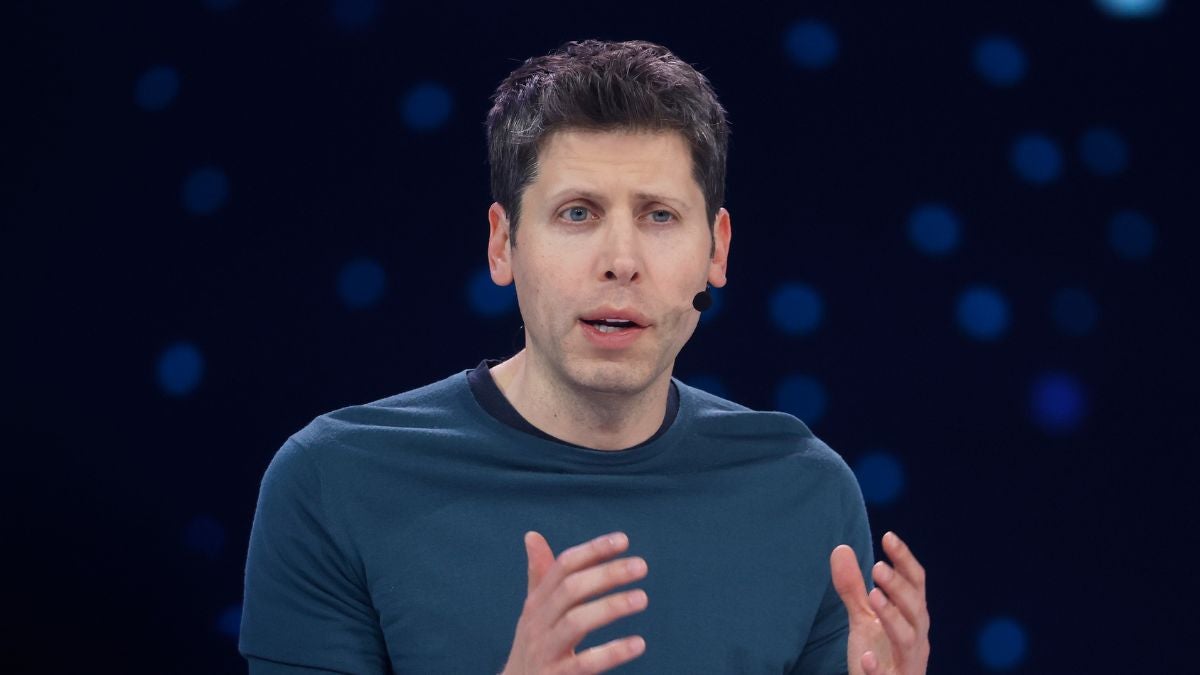
Sam Altman Responds to New Yorker Profile and Molotov Cocktail Attack
OpenAI CEO Sam Altman responded to a Molotov cocktail attack on his San Francisco home and an “incendiary” New Yorker profile on April 10, 2026. Following an arrest by SFPD, Altman issued a blog post addressing AI anxiety, his conflict-averse nature, and his ongoing legal battle with Elon Musk.
In the high-stakes arena of Silicon Valley, the line between corporate governance and personal safety has develop into dangerously porous. For Sam Altman, the architect of the generative AI revolution, this week served as a violent reminder that brand equity is a double-edged sword. When you position yourself as the primary steward of a technology that could redefine human existence, you aren’t just managing a company; you are managing a global narrative. And as Altman discovered at 3:45 am on Friday, narratives can be combustible.
The incident, which took place at a North Beach residence, involved a Molotov cocktail that, according to the New York Times, burned an exterior gate of the house. Even as the San Francisco Police Department acted swiftly to make an arrest, the physical damage was secondary to the symbolic fallout. The attack didn’t happen in a vacuum; it followed a meticulously researched profile in The New Yorker titled “Sam Altman May Control Our Future — Can He Be Trusted?” authored by Ronan Farrow and Andrew Marantz. The timing suggests a direct correlation between the “incendiary” nature of the journalism and the literal fire at Altman’s doorstep.
The Architecture of Brand Humanization
Altman’s response was a masterclass in strategic vulnerability. Rather than issuing a sterile corporate statement through a spokesperson, he took to his personal blog to share a photo of his husband, Oliver Mulherin, and their child. This is a classic pivot in crisis management: when the public narrative paints you as an omnipotent, potentially untrustworthy figure controlling the future, the only effective counter-move is to remind the world that you are a father and a spouse.
“Images have power, I hope. Normally we try to be pretty private, but in this case I am sharing a photo in the hopes that it might dissuade the next person from throwing a Molotov cocktail at our house, no matter what they think about me,” Altman wrote.
By leaning into his private life, Altman attempted to shift the conversation from the systemic risks of artificial intelligence to the basic human right to safety. Still, this level of public exposure is a risky gamble. When a public figure’s home becomes a target, the immediate priority shifts from narrative control to physical fortification. This is where the corporate machine steps in, deploying high-end executive protection services to ensure that the “narrow path” Altman navigates isn’t just a metaphor for corporate survival, but a literal secure perimeter.
Corporate Governance and the Musk Conflict
Beyond the immediate trauma of the attack, Altman used his statement to address the deeper, more systemic conflicts that plague OpenAI. He admitted to being “conflict-averse,” a trait he claims has caused “great pain” for both him and the company. This admission is particularly poignant given the looming legal shadow cast by Elon Musk. The tech mogul’s ongoing trial, which includes a demand for Altman’s removal as CEO, represents a fundamental clash over the intellectual property and the original mission of OpenAI.
Altman’s reflection on his refusal to grant Musk “unilateral control” suggests a leader who views himself as a bulwark against autocracy, even as he is accused of wielding too much power himself. The irony is palpable: Altman is fighting a legal battle to keep his seat while simultaneously apologizing for how he handled conflicts with his previous board. This internal volatility is a nightmare for investor relations and brand stability. When the face of a company is embroiled in a public feud with another of the world’s most visible billionaires, the company’s stability often depends on the skill of elite intellectual property and corporate attorneys who can decouple the personal animosity from the business’s valuation.
The Power of Narrative in the AI Era
The most revealing part of Altman’s response is his admission that he “underestimated the power of words and narratives.” For a man whose product is essentially a narrative-generation engine, this is a humbling realization. He acknowledged that the “fear and anxiety about AI is justified,” a rare concession from a CEO in a sector typically defined by relentless optimism and “move fast and break things” rhetoric.
According to The Hollywood Reporter, the SFPD’s quick response helped keep employees safe, but the psychological impact of the attack remains. The incident highlights a growing trend where the CEOs of “frontier” technologies are no longer viewed as mere businessmen, but as geopolitical actors. When the stakes are perceived as the “control of our future,” the discourse shifts from market share to morality, and from quarterly earnings to existential threats.
As Altman continues to advocate for the “moral obligation” of advancing science and technology, he must now do so while operating under a microscope of unprecedented intensity. The transition from “brushing aside” a critical profile to waking up “pissed” in the middle of the night reflects a shift in the AI industry’s lifecycle. The honeymoon phase of magic demos is over; we have entered the era of accountability, liability, and, in extreme cases, physical retaliation.
Managing this level of volatility requires more than just a blog post and a family photo. It requires a comprehensive strategy that blends security, legal defense, and sophisticated communication. When a brand’s leadership becomes a lightning rod for global anxiety, the only way to stop the bleeding is to employ crisis communication firms and reputation managers who understand that in the digital age, a narrative can be just as destructive as a Molotov cocktail.
Sam Altman is a flawed protagonist in a story that is still being written. Whether he can successfully navigate the “narrow path” between innovation and public trust remains to be seen. But one thing is certain: in the battle for the future of AI, the most dangerous weapon isn’t the code—it’s the story we share about the people writing it. For those navigating the intersection of high-profile leadership and extreme public scrutiny, finding vetted professionals via the World Today News Directory is no longer a luxury; it is a survival strategy.
Disclaimer: The views and cultural analyses presented in this article are for informational and entertainment purposes only. Information regarding legal disputes or financial data is based on available public records.