
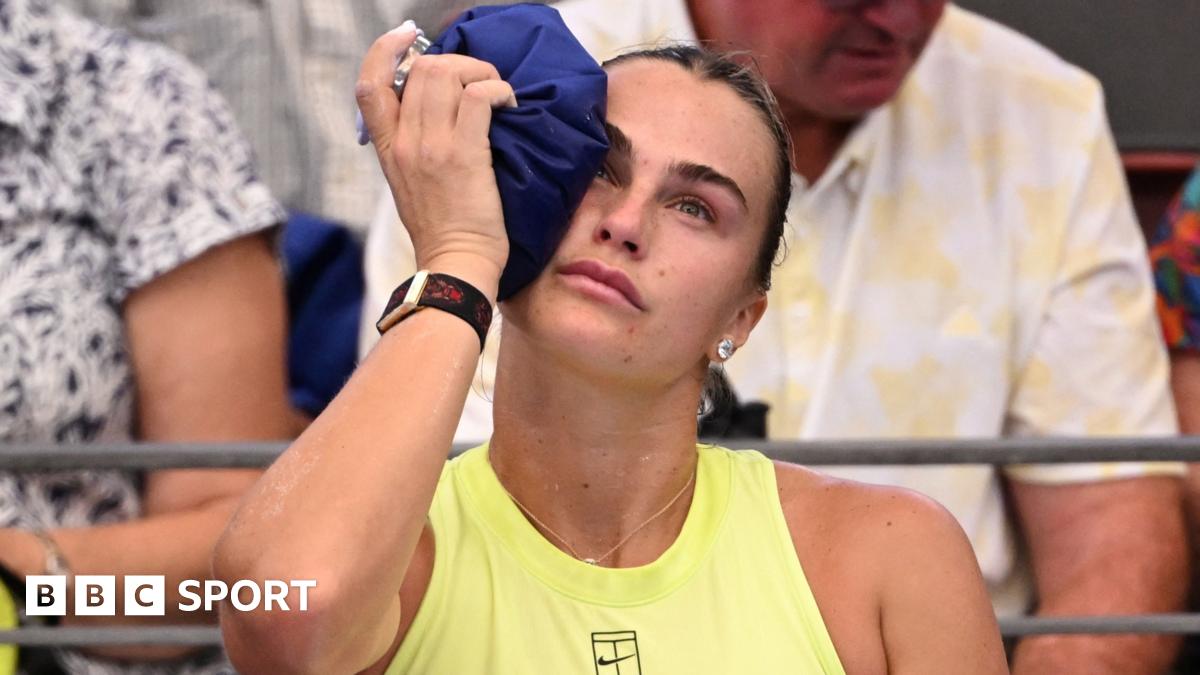
World No. 1 Aryna Sabalenka has ignited a fierce debate within the professional tennis circuit, openly criticizing tennis authorities for prioritizing financial interests over the well-being of players. The Belarusian star argues the relentlessly demanding schedule is driving injuries and pushing athletes to their breaking points.
The crushing demands of the Modern Tennis Calendar
The root of the discontent lies in the sheer volume of mandatory events. Top women players are currently obligated to participate in a minimum of 20 tournaments annually, including the four Grand Slams, ten WTA 1000 events, and six WTA 500 tournaments. This demanding schedule leaves minimal time for recovery and contributes to a surge in player injuries, a concern echoed by many on tour.
“The season is definately insane, and you see so many players getting injured,” Sabalenka stated after her recent victory at the Brisbane International. “The balls are quite heavy, so it’s a lot of struggle for all of us.” This sentiment reflects a growing frustration among players who feel the physical toll of the sport is being disregarded.
The Consequences of Non-Compliance
The WTA has imposed penalties on top players,including Sabalenka and world No. 2 Iga Świątek, for not meeting the minimum participation requirements in WTA 500 events. Both players had ranking points deducted consequently. Sabalenka, acknowledging the potential financial repercussions, has proactively chosen to reduce her tournament load this season.
“I’m skipping a couple of events in order to protect my body because I struggled a lot last season,” Sabalenka explained. “Even though the results were really consistent, some of the tournaments I had been playing completely sick or I’ve been really tired from overplaying.” She anticipates further fines, but prioritizes long-term health over potential ranking gains.
A History of Player concerns
The debate surrounding player welfare and the demands of the tennis calendar isn’t new. For years, athletes have voiced concerns about the grueling schedule and the lack of sufficient recovery time. However, the recent outspokenness of prominent figures like Sabalenka and Świątek is bringing the issue to a boiling point.
The current system often forces players to choose between prioritizing their health and maintaining their ranking.This creates a difficult situation, particularly for athletes recovering from injuries or experiencing burnout. The structure incentivizes participation even when physically compromised, perhaps exacerbating existing conditions and leading to longer-term health problems.
The Role of the Tennis Balls
Sabalenka’s comment about the weight of the tennis balls is also a significant factor. Modern tennis balls are designed for increased visibility and performance,but some players argue they’re also heavier and contribute to greater physical strain. A study by Tennis Magazine found that the increased weight and felt composition can lead to faster fatigue and a higher risk of arm and shoulder injuries.
WTA’s Response and Future outlook
The WTA Tour maintains that player welfare remains a “top priority.” Though, critics argue that concrete action is needed beyond simply stating this commitment. Calls for a revised calendar with fewer mandatory events and increased versatility for players are growing louder.
Possible solutions being discussed include:
- Reducing the number of mandatory tournaments: Streamlining the calendar to prioritize the most prestigious events.
- Increasing the focus on player recovery: Incorporating more rest periods between tournaments and promoting preventative healthcare measures.
- Re-evaluating the ranking system: Adjusting the ranking criteria to reward consistent performance across a wider range of events, rather than solely emphasizing participation in mandatory tournaments.
- Tennis ball modifications: Research on choice ball designs that maintain performance but reduce physical strain.
The situation demands a collaborative effort between players, tournament organizers, and governing bodies to create a sustainable model that protects the health and longevity of the athletes who make the sport so compelling. while the WTA has expressed commitment to player wellbeing, the current issues suggest a significant overhaul of the existing structures is necessary to truly address the concerns of those on the court.
As Sabalenka prepares for the upcoming season, her willingness to challenge the status quo is likely to inspire further conversations and potentially catalyze much-needed changes within the world of professional tennis.
