Russia Launches Over 1,500 Drones and Dozens of Missiles in Two-Day Attack
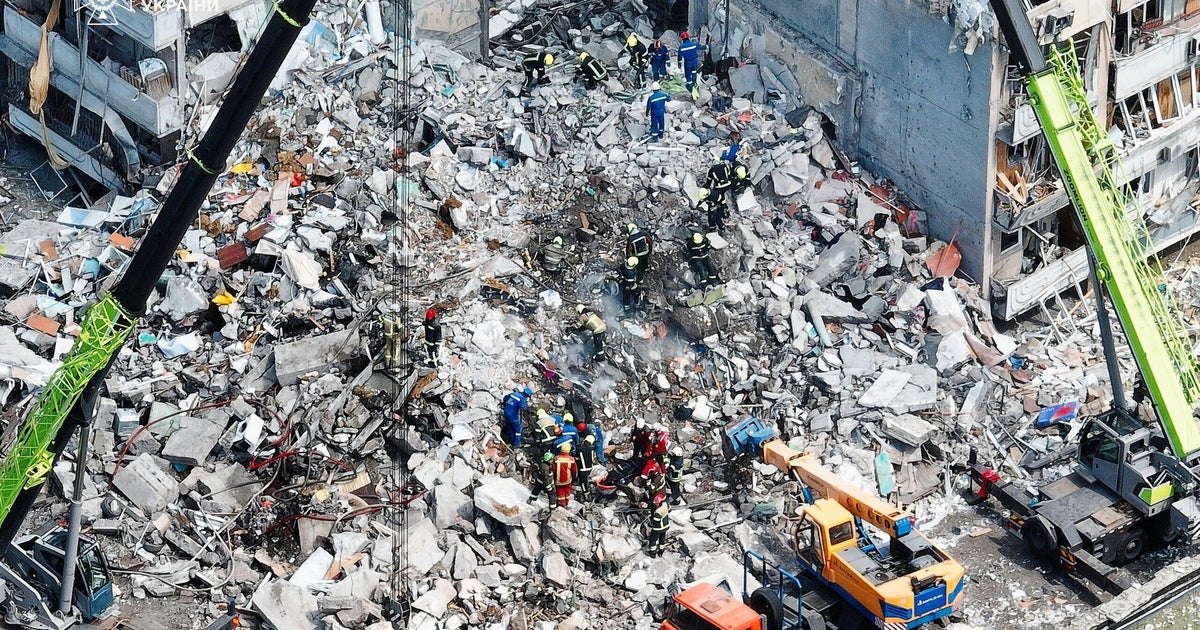
Russian forces have launched a massive aerial assault on Ukraine, deploying over 1,500 drones and numerous missiles against cities including Kyiv over a 48-hour period. These strikes have targeted civilian infrastructure, resulting in multiple casualties and significant damage to residential and community buildings across the capital and surrounding regions.
The skyline of Kyiv has been transformed into a theater of constant, mechanical warfare. For the residents of the Ukrainian capital, the last forty-eight hours have not been defined by the leisurely progression of a traditional front line, but by the relentless, high-frequency drone swarms that have saturated the airspace. This is no longer a series of sporadic strikes; it is a systematic attempt to overwhelm air defenses through sheer volume.
The Mechanics of a Saturation Strike
The scale of the recent onslaught is difficult to overstate. In a condensed 48-hour window, Ukrainian officials confirmed that Russia deployed more than 1,500 drones against various cities and communities. This represents one of the most intense periods of aerial bombardment since the conflict began. The strategy appears to be one of saturation—using a massive number of low-cost unmanned aerial vehicles (UAVs) to exhaust interceptor munitions and radar capabilities.
Data from the most recent window of aggression reveals a staggering tempo of attacks. On Wednesday, a massive daytime barrage saw at least 800 drones launched. This was immediately followed by an overnight escalation into Thursday, where forces utilized at least 675 drones and 56 missiles. The cumulative effect is a “virtually nonstop” cycle of alerts that leaves municipal emergency services in a state of perpetual mobilization.

To understand the sheer density of this campaign, one must look at the concentrated impact on the capital. In a single overnight window, at least 15 missiles and 23 drones directly struck 24 separate locations within Kyiv. This level of precision-targeting within a mass-saturation framework suggests a highly coordinated effort to strike both military and civilian targets simultaneously.
| Attack Period | Estimated Drone Volume | Primary Target Types |
|---|---|---|
| Wednesday (Daytime) | 800+ drones | Various urban centers |
| Overnight (Thursday) | 675+ drones / 56 missiles | Kyiv and surrounding districts |
| Total 48-Hour Window | 1,500+ drones | Civilian and strategic infrastructure |
As these strikes continue, the strain on local governance and civil protection is immense. When the very fabric of a city is under constant assault, the demand for emergency response and disaster management professionals becomes a matter of national survival. The ability of a city to recover from these “pulse” attacks depends entirely on the readiness of its municipal responders.
The Human Toll of Civilian Targeting
Beyond the technical statistics of drone counts and missile trajectories lies a more harrowing reality: the direct targeting of the community’s core. The recent strikes have not been confined to military installations; they have struck the fundamental pillars of civilian life. Reports indicate that the barrage hit a school, a veterinary clinic, and various other “purely civilian infrastructure” points.
The human cost of this escalation is mounting. In the most recent wave of strikes targeting Kyiv, Ukrainian authorities reported that at least 10 people were killed and 45 others were wounded. These figures reflect the volatility of urban combat when high-explosive munitions are used in densely populated residential districts.
“In total, since midnight yesterday, Russia has used more than 1,560 drones against our cities and communities. These are definitely not the actions of those who believe the war is coming to an end.”
The words of President Volodymyr Zelensky underscore the psychological dimension of this campaign. By targeting schools and clinics, the objective extends beyond physical destruction; it is an attempt to erode the sense of security and the will of the population. The disconnect between political rhetoric suggesting a potential end to the conflict and the reality of 1,500-drone barrages is stark.
For those caught in the crossfire, the aftermath is a logistical and legal nightmare. Families facing the loss of homes or the destruction of local businesses are increasingly looking toward specialized disaster recovery legal counsel to navigate the complexities of property damage claims and international humanitarian law protections. The intersection of war and civil law is becoming a primary concern for urban residents in the path of these strikes.
Economic and Structural Resilience
The long-term impact of these “nonstop” strikes is not merely measured in casualties, but in the degradation of the national economy and physical infrastructure. Every strike on a power grid, a school, or a clinic represents a massive diversion of capital from development to repair. The cycle of destruction and reconstruction is becoming a permanent fixture of the Ukrainian economic landscape.

The technical challenge of rebuilding is equally daunting. When infrastructure is hit by a combination of cruise missiles and ballistic projectiles, the damage is often deep and structural. This creates an urgent, ongoing need for certified structural engineering and rapid-response restoration firms. These professionals are tasked with assessing whether buildings can be salvaged or if entire city blocks must be cleared and rebuilt from the foundation up.
the continuous threat to the energy and transport sectors necessitates a highly specialized workforce. The ability to maintain a functioning city under the shadow of 1,500-drone barrages requires a level of logistical sophistication rarely seen in modern urban management. Organizations like the United Nations and various international aid agencies are constantly monitoring these developments to coordinate the massive humanitarian and logistical response required.
As the international community watches the escalation, the focus remains on the resilience of the urban centers. The ability of Kyiv to absorb these shocks—both physically and psychologically—will likely determine the trajectory of the conflict in the coming months. The world is not just witnessing a war of attrition between armies, but a war of attrition against the very concept of civilian stability.
For those seeking to understand the deeper implications of these geopolitical shifts or to find verified professionals capable of navigating the resulting legal and structural challenges, the World Today News Directory remains the primary resource for connecting with vetted expertise in a rapidly changing world.