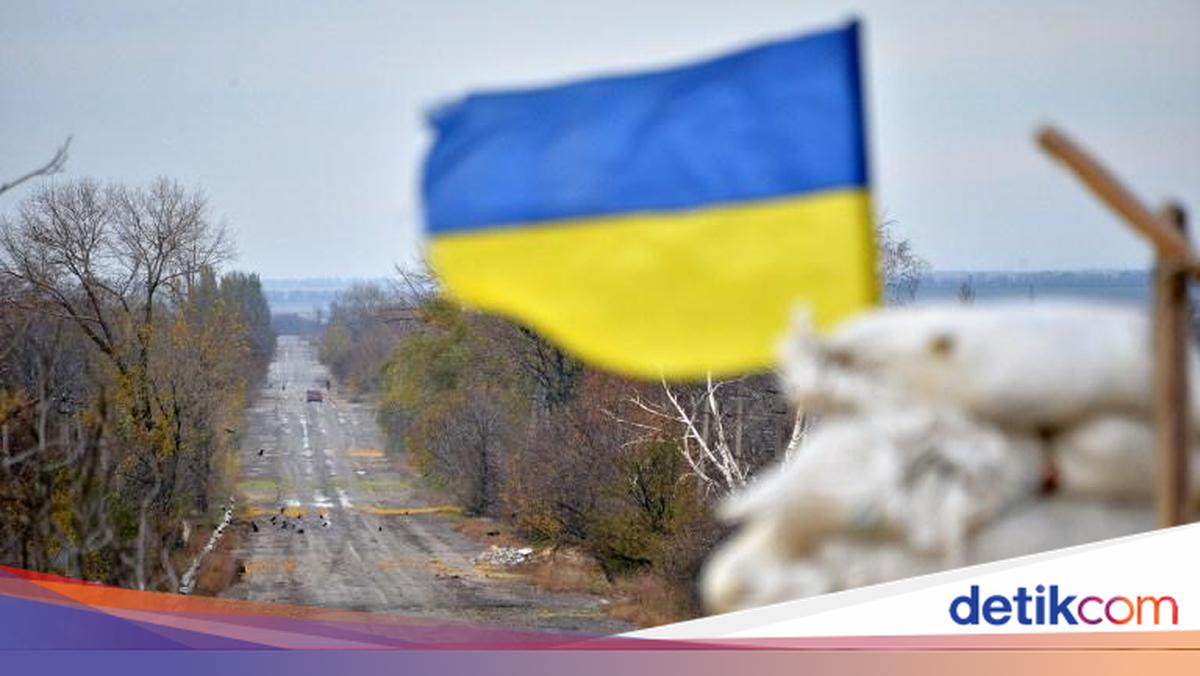
Russia and Ukraine Exchange Prisoners and Return 528 Fallen Soldiers
Russia has returned 528 bodies of fallen Ukrainian soldiers to Kyiv, marking a critical humanitarian milestone amid the ongoing conflict. This transfer, coupled with large-scale prisoner swaps mediated by the United States and the United Arab Emirates, underscores the indispensable role of third-party diplomacy in managing the war’s human toll.
In the brutal arithmetic of a war of attrition, the exchange of remains and prisoners of war (POWs) is rarely a simple act of mercy. It is a sophisticated diplomatic currency. When the front lines stagnate, the focus shifts to the “human inventory”—the leverage held by each side over the other’s casualties and captives. The recent return of 528 soldiers serves as a pressure valve for domestic stability in Kyiv, while the mediation efforts of Washington and Abu Dhabi signal a diversifying map of global influence.
The logistics of such an operation are staggering. Moving hundreds of remains across a contested border requires more than just a ceasefire; it requires a precise, synchronized corridor of safety. For the private sector, these events highlight the extreme necessity of specialized international logistics firms capable of operating in high-risk zones where traditional supply chains have collapsed.
The Mediator’s Gambit: Washington vs. Abu Dhabi
The scale of recent mediations reveals a telling contrast in diplomatic strategy. The United States facilitated the exchange of 205 prisoners of war, a number that suggests a targeted, high-value swap—likely focusing on intelligence assets or high-ranking officers. In contrast, the United Arab Emirates (UAE) orchestrated a massive exchange of 7,101 prisoners. This disparity is not accidental.
The UAE is aggressively positioning itself as a “Middle Power” arbiter. By facilitating the movement of thousands of captives, Abu Dhabi is expanding its geopolitical footprint, proving it can maintain a functional channel with the Kremlin while remaining a strategic partner to the West. What we have is soft power exercised through the lens of humanitarianism.

“The emergence of the UAE as a primary mediator in the Russia-Ukraine conflict represents a pivot toward a multipolar diplomatic order. We are seeing a shift where non-Western states are increasingly entrusted with the high-stakes ‘humanitarian plumbing’ of global conflicts,” notes a senior analyst specializing in Gulf diplomacy.
This shift toward non-traditional mediators complicates the legal landscape. Every exchange must navigate a labyrinth of international law, specifically the Geneva Conventions, which dictate the treatment of prisoners and the repatriation of the dead. As these agreements become more complex, sovereign states and NGOs are increasingly relying on international treaty and legal consultants to ensure that swaps do not inadvertently violate international mandates or create dangerous precedents.
The Macro-Economic Ripple Effect of Instability
While the return of bodies and prisoners is a humanitarian victory, the underlying instability continues to warp global markets. The persistence of the conflict ensures that the Black Sea remains a volatility zone, impacting everything from grain futures to maritime insurance premiums. When mediation succeeds, it provides a temporary window of predictability that markets crave.
However, for multinational corporations with assets in Eastern Europe or dependencies on regional raw materials, these humanitarian gestures are merely symptoms of a deeper, systemic risk. The unpredictability of the conflict’s duration has forced a total reassessment of Foreign Direct Investment (FDI) in the region. Firms are no longer looking for “growth” in these markets; they are looking for “exit strategies” or “hardened resilience.”
This environment has created a surge in demand for global risk consultants. Companies are now onboarding experts to conduct deep-dive stress tests on their supply chains, ensuring that a sudden escalation—or a sudden, unexpected peace treaty—doesn’t leave them exposed to stranded assets or legal liabilities.
The Currency of Death and Domestic Morale
The return of 528 fallen soldiers is a potent political tool. For the Ukrainian government, the ability to provide closure to families is essential for maintaining national resolve. A state that cannot retrieve its dead risks a collapse in morale. Conversely, for Russia, the return of bodies can be used as a gesture of “goodwill” to signal a willingness to negotiate, even while military operations continue.
This “diplomacy of the dead” is a recognized pattern in protracted conflicts. By intermittently releasing prisoners or bodies, belligerents can manipulate the international narrative, painting themselves as the more “humane” actor to gain leverage in broader diplomatic forums like the United Nations.
The sheer volume of the UAE-mediated swap—over 7,000 individuals—suggests a level of coordination that transcends simple battlefield agreements. It implies a high-level strategic alignment between the mediating party and the combatants, likely involving concessions that remain hidden from the public eye. Such arrangements often involve complex financial guarantees or trade-offs in other geopolitical theaters, such as energy exports or arms procurement.
The Shifting Global Chessboard
The involvement of the US and UAE in these exchanges proves that the Russia-Ukraine conflict is no longer a regional dispute, but a global proxy for diplomatic capability. The ability to move people—living or dead—across a war zone is the ultimate test of a nation’s operational reach and diplomatic credibility.

As we analyze the trajectory of 2026, the reliance on third-party mediators suggests that neither side sees a clear path to total victory. Instead, we are entering a phase of “managed conflict,” where the primary goal is the mitigation of catastrophic loss and the maintenance of minimal communication channels.
For the global business community, the lesson is clear: stability is now a fragmented commodity. Navigating this era requires more than just market analysis; it requires a network of partners who understand the intersection of war, law, and logistics. Whether it is securing a supply chain against geopolitical shocks or navigating the legalities of a sanctioned environment, the only way forward is through vetted, professional expertise.
The world today is not governed by treaties alone, but by the ability to negotiate the unthinkable in the midst of chaos. To find the legal, financial, and risk-mitigation partners necessary to survive this volatility, the World Today News Directory remains the definitive resource for global corporate resilience.