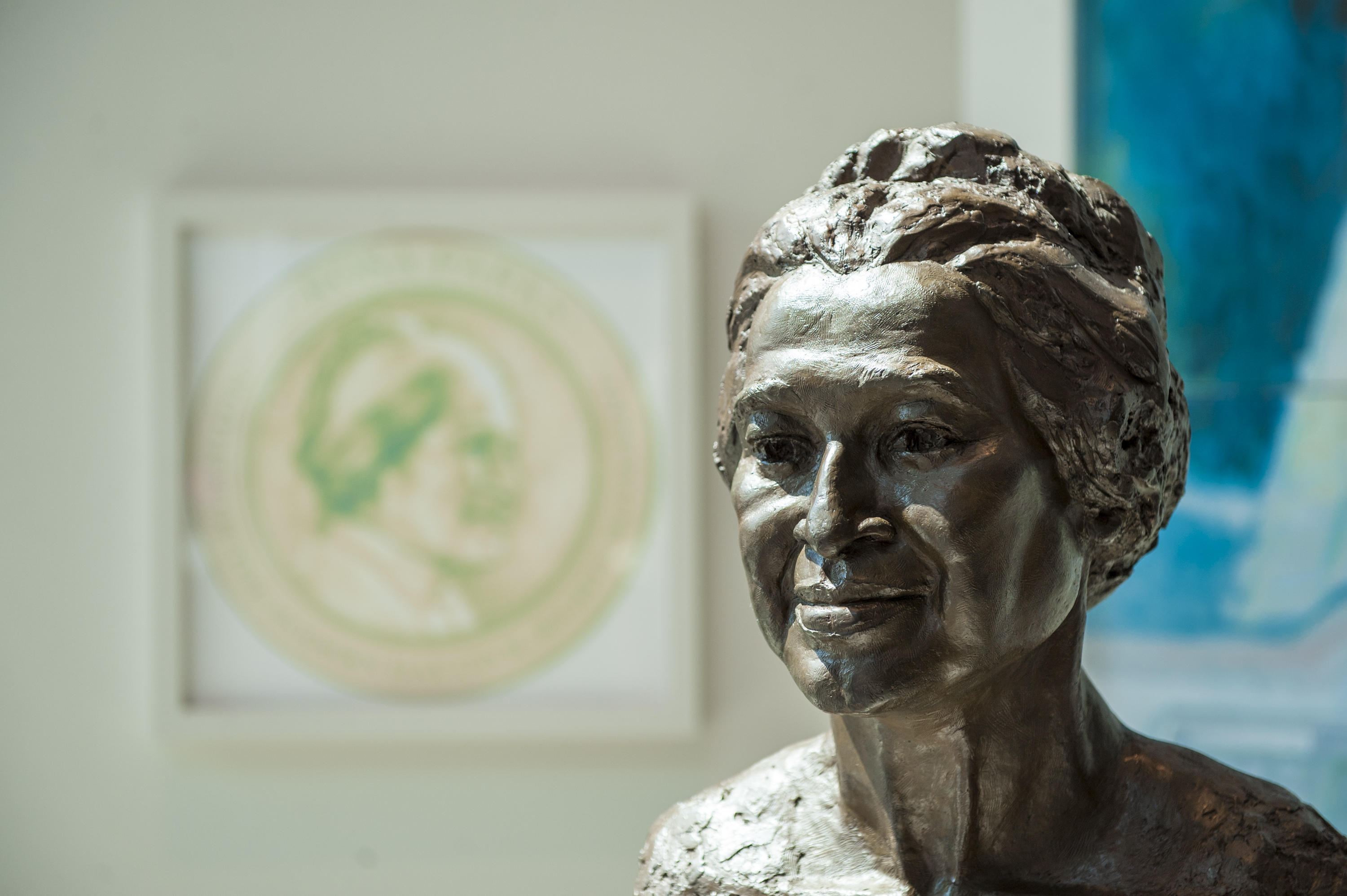
Rosa Parks Museum to Host Documentary Screening and Talk with Dr. Jeanne Theoharis
Troy University’s Rosa Parks Museum will host a free public screening of the documentary “The Rebellious Life of Mrs. Rosa Parks” on Saturday, Oct. 24, at 10:30 a.m., featuring a post-screening conversation with author Dr. Jeanne Theoharis.
The event, sponsored by the Alabama Humanities Alliance, invites visitors to examine the civil rights icon’s lifetime of activism rather than focusing exclusively on her arrest and the subsequent Montgomery Bus Boycott. Organizers will make a limited number of books available on a first-come, first-served basis, and light refreshments will follow the discussion.
Expanding the Historical Record Beyond Montgomery
Museum officials emphasize that public understanding of the civil rights leader often narrows down to a single moment on a municipal bus. Donna Beisel, the museum’s Director of Operations, noted that the biographical film and accompanying author talk aim to correct that narrow view.
“Rosa Parks’ story is far more expansive than many people realize. She was a lifelong activist, a committed strategist, and a woman whose courage and convictions extended far beyond Montgomery and the Bus Boycott,” Beisel said.
The film has earned both a Peabody Award and a Television Academy Honor Award.
The Segregated Reality of 1950s Montgomery
Historical records outline the severe structural inequalities that defined Montgomery during the era preceding the boycott. In 1954, approximately 30,000 blacks of voting age lived in the city, but only 2,000 were registered to vote under restrictive Jim Crow policies. Economic disparities matched political disenfranchisement. In 1950, the median annual income for whites stood at $1,730, while blacks earned a median annual income of $970.
Employment options were heavily constrained by race. Figures show that 63 percent of African American females and 48 percent of African American males were domestic workers, working in homes as maids, nannies, etc. Public education remained segregated, defying the U.S. Supreme Court’s 1954 ruling in Brown v. Board of Education.
City and state ordinances enforced separation across daily life. Under Alabama law, hospitals were barred from requiring white female nurses to nurse in wards or rooms in hospitals, either public or private, in which Negro men are placed. Public transportation stations maintained separate waiting rooms or space and separate ticket windows, and restaurants required solid partitions extending from the floor upward to a distance of seven feet or higher with separate street entrances to serve different racial groups.
Rosa Parks Refuses to Give up Her Bus Seat
The immediate catalyst for the boycott unfolded on December 1, 1955. Rosa Parks, a 42-year-old African American seamstress, boarded a Montgomery City Lines bus after finishing work. She took a seat in the neutral section just behind the ten seats reserved for white passengers.
When the white section filled, the bus driver ordered Parks and three other blacks in the first row of “colored” seats to give up their seats. Parks refused. Police arrested her for violating the laws of segregation known as the “Jim Crow laws” and for disorderly conduct, leading to a conviction and a fine of $10.00 plus $4.00 in court fees, which she appealed to challenge the legality of segregation.
Saturday Schedule and Author Background
The upcoming October 24 program at the Troy University museum anchors its discussion in decades of scholarship. Dr. Theoharis has authored or co-authored 13 books examining the civil rights and Black Power movements, and the contemporary politics of race in the United States. Her biography of Parks, a New York Times best seller, received a 2014 NAACP Image Award and the Letitia Woods Brown Award, alongside appearances in major national publications. She serves as a Distinguished Professor of Political Science at Brooklyn College of City University of New York, holding degrees from Harvard and the University of Michigan.