
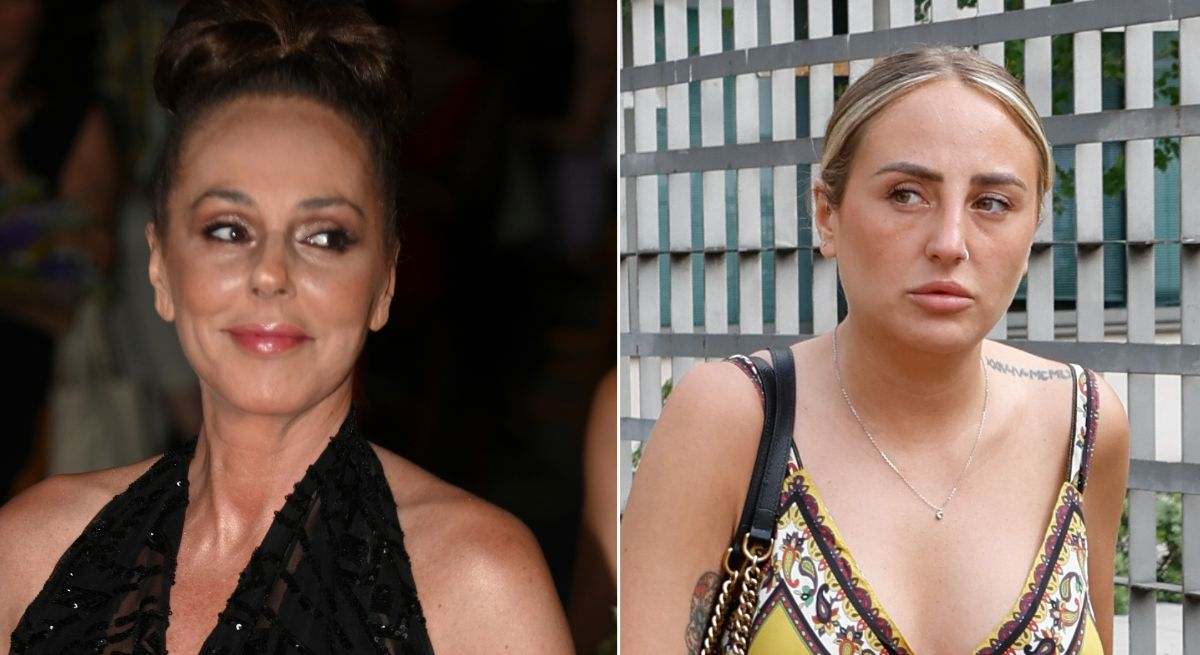
Rocío Carrasco and Rocío Flores Face Off in Court Over Docuseries
Table of Contents
- Rocío Carrasco and Rocío Flores Face Off in Court Over Docuseries
- rocío Flores’ Lawsuit Alleges Breach of Privacy
- Rocío Carrasco Supports the Production Company
- Evergreen Insights: Background, Context, and Historical Trends
- Frequently Asked Questions
- What is the Rocío Carrasco docuseries about?
- Why is Rocío Flores suing The TV factory?
- What documents were allegedly disseminated in the docuseries?
- What is Rocío Carrasco’s role in the lawsuit?
- What damages is Rocío Flores seeking?
- what is The TV Factory’s defense?
- What are the potential implications of the court’s decision?
The ongoing family conflict between Rocío Carrasco and her daughter, Rocío Flores, has taken a new turn as both are scheduled to appear in court next Monday. the legal confrontation stems from a lawsuit filed by Rocío Flores against The TV Factory, the production company behind the controversial docuseries about her mother, titled “Rocío: Tell the Truth to Stay Alive.” The daughter accuses the producer of disseminating confidential judicial documents from when she was a minor, with Rocío Carrasco appearing in support of the producer.
rocío Flores’ Lawsuit Alleges Breach of Privacy
Rocío flores alleges that The TV Factory disseminated “confidential judicial documents that involved her when she was still a minor” without her consent. These documents included extracts of sentences, police reports, psychosocial evaluations, and follow-ups from a minor offender re-education agency. The lawsuit directly implicates Rocío Carrasco, as she allegedly provided these documents to the production company. Rocío Flores is seeking €1 million in damages for psychological and moral harm, citing the producer’s profits from the docuseries’ high viewership, which reached over three million viewers per episode according to recent audience share reports.
Did You Know? The Spanish television market generated approximately $2.5 billion in revenue in 2023, highlighting the notable financial stakes involved in popular programs like the Rocío Carrasco docuseries according to Statista.
Rocío Carrasco Supports the Production Company
In response, The TV Factory argues that no rights were violated, as they had Rocío Carrasco’s express consent, who was her daughter’s legal representative at the time. They also claim that some of the content had been previously published by other media outlets, such as Vanitatis and Telemadrid, which they argue weakens the claim that they were the first to disseminate the confidential information. The Provincial Court of Madrid reopened the case after an appeal from Rocío Flores, determining that there were sufficient indications to proceed with the investigation. The court will now assess whether there was a violation of fundamental rights and whether the producer should bear criminal and civil responsibilities.
Key Players and Allegations
The legal battle centers on the alleged unauthorized use of Rocío Flores’ private information in the docuseries.The following table summarizes the key aspects of the case:
| Key player | Role | Allegation |
|---|---|---|
| Rocío Flores | Plaintiff | Unauthorized dissemination of confidential information |
| Rocío Carrasco | Witness (Supporting The TV Factory) | allegedly provided confidential documents to the producer |
| The TV Factory | Defendant | Allegedly violated rocío Flores’ privacy rights |
Pro Tip: Understanding the legal framework surrounding privacy and media rights is crucial in high-profile cases like this. Consulting with legal experts can provide valuable insights.
This legal episode is part of a broader conflict involving Antonio David Flores, who is also pursuing legal action against Mediaset and The TV Factory, seeking over €1.6 million in damages related to his dismissal and the public exposure of his private life.
Potential Outcomes and Implications
The court’s decision could have significant implications for media companies and individuals involved in similar cases.A ruling in favor of Rocío Flores could set a precedent for stricter enforcement of privacy rights and greater accountability for media outlets. conversely, a ruling in favor of The TV Factory could reinforce the importance of obtaining consent from legal representatives in such matters.
What impact do you think this case will have on future docuseries and media productions? How can media outlets balance public interest with individual privacy rights?
Evergreen Insights: Background, Context, and Historical Trends
The conflict between Rocío Carrasco and Rocío Flores is deeply rooted in a complex family history that has been extensively covered by the Spanish media for years. The docuseries “Rocío: Tell the Truth to Stay Alive” brought renewed attention to the long-standing tensions and allegations of abuse and mistreatment. This case highlights the challenges of navigating family disputes in the public eye and the potential legal ramifications of media coverage.
Frequently Asked Questions
What is the Rocío Carrasco docuseries about?
The Rocío Carrasco docuseries, “Rocío: Tell the Truth to Stay Alive,” explores Rocío Carrasco’s life story, focusing on her relationship with her ex-husband, Antonio David Flores, and thier children. It delves into allegations of abuse and mistreatment, sparking significant public debate.
Why is Rocío Flores suing The TV factory?
Rocío Flores is suing The TV Factory for allegedly disseminating confidential judicial documents from when she was a minor without her consent, claiming a violation of her privacy rights.
What documents were allegedly disseminated in the docuseries?
The documents allegedly disseminated included extracts of sentences,police reports,psychosocial evaluations,and follow-ups from a minor offender re-education agency.
What is Rocío Carrasco’s role in the lawsuit?
Rocío Carrasco is appearing in court as a witness in support of The TV Factory,as she allegedly provided the confidential documents to the production company.
What damages is Rocío Flores seeking?
Rocío Flores is seeking €1 million in damages for psychological and moral harm, citing the producer’s profits from the docuseries’ high viewership.
what is The TV Factory’s defense?
The TV Factory argues that no rights were violated, as they had Rocío Carrasco’s express consent, who was her daughter’s legal representative at the time. They also claim that some of the content had been previously published by other media outlets.
What are the potential implications of the court’s decision?
The court’s decision could have significant implications for media companies and individuals involved in similar cases, possibly setting a precedent for stricter enforcement of privacy rights and greater accountability for media outlets.
Share your thoughts on this case and its potential impact on media ethics and privacy rights in the comments below!
