
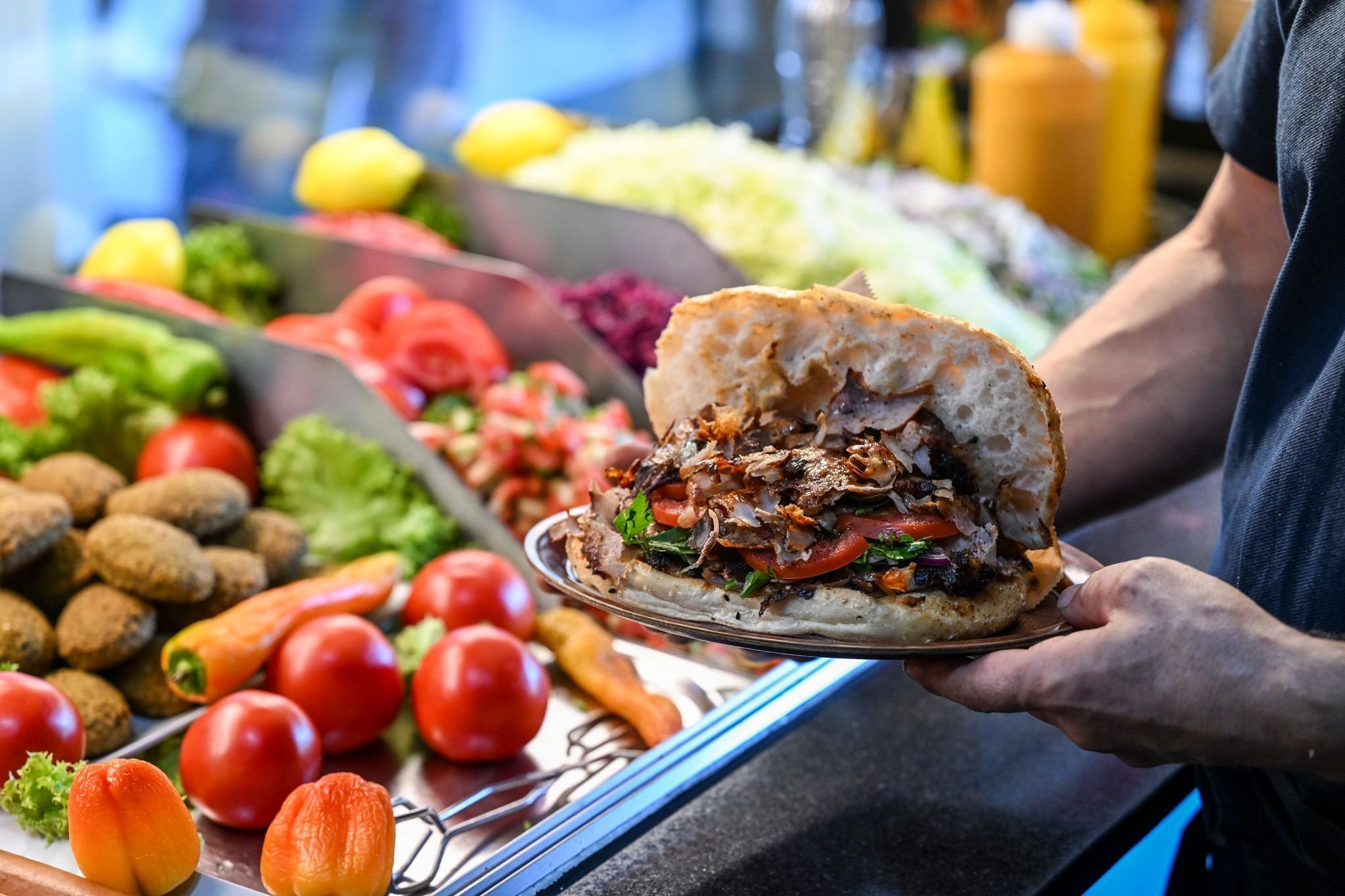
Berlin Scraps ‘Clean Kitchen Law’ Aimed at Restaurant Hygiene Transparency
Table of Contents
- Berlin Scraps ‘Clean Kitchen Law’ Aimed at Restaurant Hygiene Transparency
- The Rise and Fall of Berlin’s Hygiene Barometer
- Senator Criticizes Bureaucracy,Advocates for Efficient Monitoring
- Consumer Advocates Decry Loss of Transparency
- Impact on Berlin’s Restaurant Scene
- Timeline of Berlin’s “Clean Kitchen Law”
- Evergreen Insights: The Broader Context of Food Safety Regulations
- Frequently Asked Questions About Restaurant Hygiene in Berlin
Berlin is set to abolish its “clean kitchen law,” a regulation enacted in 2021 that mandated restaurants and food vendors to display hygiene inspection results for customers. The Senate Department for Consumer Protection announced the repeal, stating that the law provided no significant added value. the decision follows reports of inconsistent application by local districts, largely due to staffing shortages.
The Rise and Fall of Berlin’s Hygiene Barometer
The “clean kitchen law,” officially known as the food surveillance transparency law, required gastronomic businesses to share hygiene control results with customers.This was to be done via a color-coded arrow in a bar diagram, ranging from green (good) to red (bad).However, the law faced practical challenges from its inception.
Did You Know? …
Germany’s food safety standards are generally high, with regular inspections and strict regulations. though, enforcement can vary by region, leading to inconsistencies in hygiene practices. According to a 2023 report by the European food Safety Authority (EFSA),germany reported a high compliance rate with food safety regulations,but regional disparities remain a challenge [1].
Senator Criticizes Bureaucracy,Advocates for Efficient Monitoring
Senator Felor badenberg (CDU) has strongly supported the repeal,characterizing the law as overly bureaucratic. She stated that it imposed considerable additional effort on authorities without improving food safety. Badenberg emphasized the need for practical and efficient food surveillance that aligns with local needs and resources.
“after a thorough examination and discussions with the districts concerned, which mostly do not apply the law, we came to the conclusion that it is too bureaucratic and leads to considerable additional effort for the authorities,” she said.
Focus on Practical Solutions
Badenberg aims to ensure food quality and safety through streamlined processes. She believes that reducing unnecessary regulations will enable authorities to work more effectively. The goal is to enhance the monitoring and control of gastronomic companies without creating additional hurdles.
Consumer Advocates Decry Loss of Transparency
The decision to abolish the “clean kitchen law” has drawn criticism from consumer protection groups. Rauna Bindewald from Foodwatch criticized the move as a gift to the restaurant lobby at the expense of consumer transparency. She argued that it represents a step backward for civil rights in Berlin.
Pro Tip: Consumers can still check restaurant reviews and hygiene ratings on platforms like google Maps and Yelp to make informed decisions.
Transparency vs. Efficiency
The debate highlights the tension between transparency and regulatory efficiency. While consumer advocates prioritize access to information, policymakers are weighing the costs and benefits of specific regulations. The effectiveness of the “clean kitchen law” has been questioned, leading to the decision to repeal it.
Impact on Berlin’s Restaurant Scene
The repeal of the “clean kitchen law” could have varied effects on Berlin’s vibrant restaurant scene.Some businesses may welcome the reduced administrative burden, while others may face increased scrutiny from consumer groups and online reviewers. The long-term impact will depend on how effectively the city maintains food safety standards through other means.
What are your thoughts on restaurant hygiene transparency? Should restaurants be required to display inspection results?
Timeline of Berlin’s “Clean Kitchen Law”
| Year | Event | Description |
|---|---|---|
| 2021 | Law Adopted | The food surveillance transparency law, or “clean kitchen law,” is enacted in berlin. |
| 2021-2024 | Implementation Challenges | Districts face difficulties in applying the law due to staffing shortages and bureaucratic hurdles. |
| 2024 | Repeal Announced | The Senate Department for Consumer Protection announces the repeal of the law, citing lack of added value. |
Evergreen Insights: The Broader Context of Food Safety Regulations
Food safety regulations are a critical component of public health, aiming to prevent foodborne illnesses and ensure consumer confidence in the food supply. These regulations vary widely across countries and regions, reflecting different priorities and approaches to risk management. In the European Union, food safety is governed by a thorough framework that includes hygiene standards, labeling requirements, and traceability systems [2].
Transparency in food safety is a growing trend, with many countries exploring ways to provide consumers with more information about the safety and quality of their food. This can include mandatory labeling, public disclosure of inspection results, and the use of technology to track food products from farm to table. however, there are also concerns about the potential for misinformation and the need to balance transparency with the protection of business interests.
Frequently Asked Questions About Restaurant Hygiene in Berlin
- How often are restaurants in Berlin inspected for hygiene?
- Restaurants in Berlin are typically inspected regularly, with the frequency depending on the risk level associated with the establishment. High-risk establishments, such as those serving raw or undercooked foods, might potentially be inspected more frequently than those with lower-risk operations.
- What are the most common hygiene violations found in Berlin restaurants?
- Common violations can include inadequate handwashing facilities, improper food storage temperatures, pest infestations, and lack of cleanliness in food planning areas. These violations are addressed through corrective actions and follow-up inspections.
- Where can I find information about restaurant hygiene ratings in Berlin?
- While the “clean kitchen law” is being repealed, consumers can still find information about restaurant hygiene through online reviews, local health department websites, and by directly contacting the restaurants to inquire about their hygiene practices.
- What steps can I take to ensure the food I eat in Berlin restaurants is safe?
- Consumers can look for restaurants with positive reviews and high ratings, observe the cleanliness of the establishment, and ask questions about food preparation practices. reporting any concerns to the local health department can also help ensure food safety.
- How does Berlin’s food safety system compare to other major cities?
- Berlin’s food safety system is generally in line with other major European cities,with a focus on prevention,inspection,and enforcement. However, the effectiveness of the system depends on adequate resources and consistent application of regulations.
What other measures could Berlin take to ensure restaurant hygiene and transparency? Share your thoughts in the comments below!
