
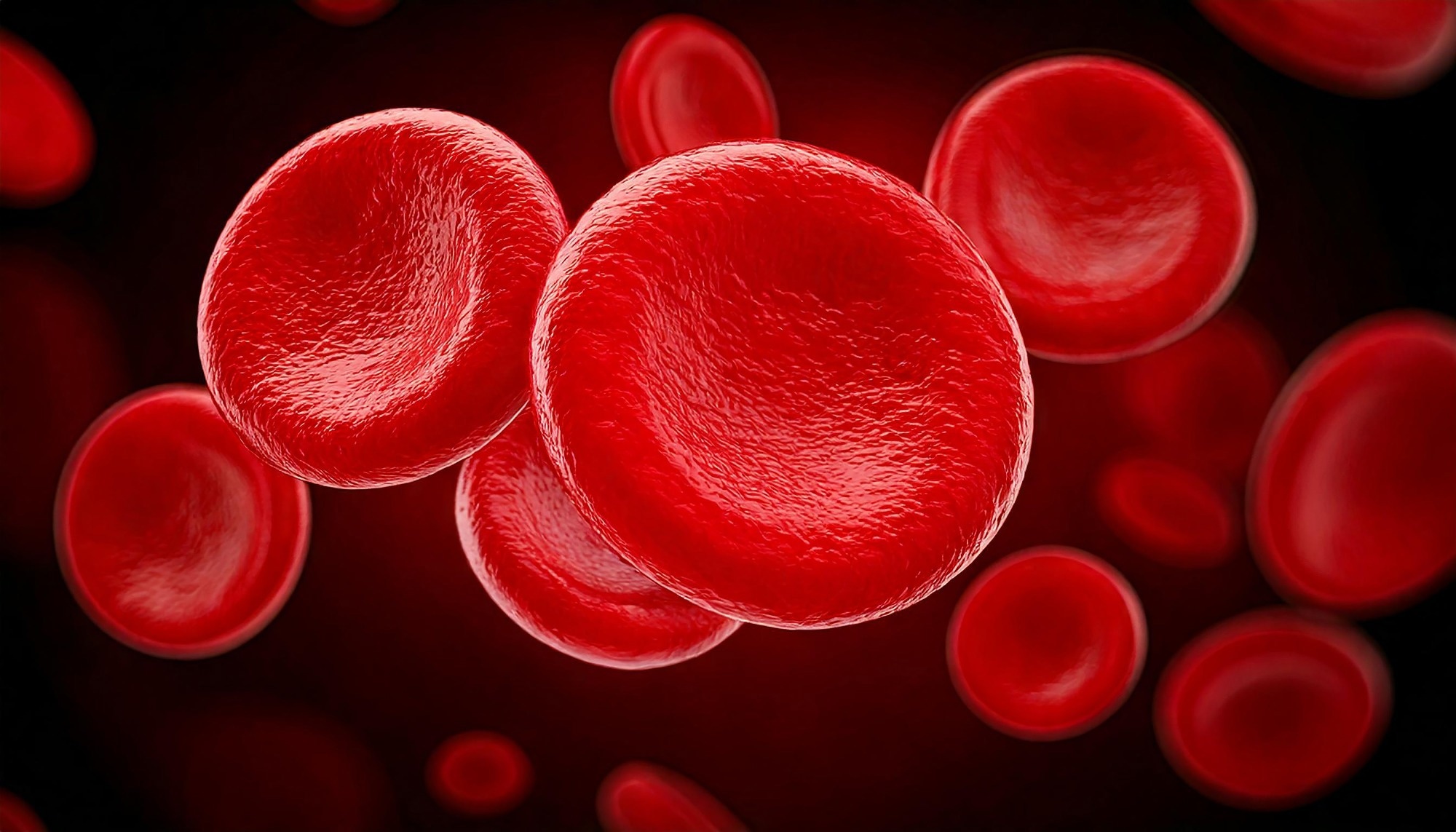
Red Blood Cells Tagged for Long-Lasting Drug Delivery & Imaging
Researchers have demonstrated a new method for tagging red blood cells with long-lasting chemical markers, enabling their use as carriers for both imaging agents and therapeutic drugs. The preclinical study, published in Nature Communications, offers a potential alternative to current methods of engineering red blood cells, which require cells to be removed from the body, manipulated in a lab, and then reintroduced – a process that is costly, time-consuming, and carries risks of cell damage or infection.
The new technique, termed metabolic glycoengineering, utilizes a process where specialized azido-sugars are absorbed into the bloodstream and incorporated into the outer membranes of red blood cells. These “azido tags” can then be used to attach imaging agents or drugs via a process known as “click chemistry.” The study found that these tags persisted in vivo for over 42 days in mice – nearly the entire lifespan of a murine red blood cell – providing a stable platform for targeted delivery.
Red blood cells are increasingly viewed as promising vehicles for drug delivery and medical imaging due to their abundance and relatively long circulatory lifespan – approximately 120 days in humans and 45 days in mice, according to the study. Previous attempts to engineer RBCs for these purposes have faced challenges, including weak binding of therapeutic agents or safety concerns related to genetic modification. The researchers aimed to overcome these limitations by leveraging the cells’ natural metabolic pathways.
The researchers administered tetraacetyl-N-azidoacetylmannosamine (AAM) to mice via intravenous or intraperitoneal injection over three days. The azido sugars were incorporated into glycoproteins and glycolipids on the RBC surface, as well as in precursor cells within the bone marrow. Initial labeling achieved a rate of 10-15% of circulating red blood cells, according to DBCO-Cy5 assays used to verify azido uptake.
A key finding of the study was the widening targeting window over time. While the azido tags were initially present in various cell types, their persistence was significantly longer in red blood cells compared to white blood cells and other tissues. By day 7.5, the number of tagged RBCs was 3,844 times higher than that of tagged WBCs, offering a substantial period for specific targeting. This differential persistence is attributed to the faster division and metabolism rates of WBCs and other cell types.
The study demonstrated the practical application of the tagging method by attaching fluorescent dyes for blood vessel imaging and gadolinium (Gd) for magnetic resonance imaging (MRI). MRI scans using Gd-tagged RBCs showed enhanced imaging of brain blood vessels for over 11 days, a significant improvement over traditional contrast agents which typically wash out within minutes. Specifically, the MRI signal showed a 1.23-fold enhancement on day 4 (p = 0.0022).
the researchers attached insulin to the tagged RBCs in a diabetic mouse model. This resulted in improved blood glucose control compared to standard insulin injections (p = 0.0291). The insulin construct utilized a hydrolysable ester linkage, indicating improved pharmacokinetics rather than a proven clinical benefit.
Safety evaluations revealed no significant alterations in cell shape or key metabolic markers like ATP levels. There was also no evidence of tissue toxicity in the liver, spleen, or kidneys, suggesting the labeling process is well-tolerated in preclinical models. The study also reported negligible changes in RBC and WBC counts, leukocyte subtypes, and RBC fragility measures.
Researchers noted that human red blood cells have a lifespan of approximately 120 days, suggesting the technology could offer even greater durability in humans, though this remains to be tested. The study authors suggest future research should focus on enhancing the specificity of the “sugar tags” to minimize potential off-target effects before proceeding to human clinical trials.