
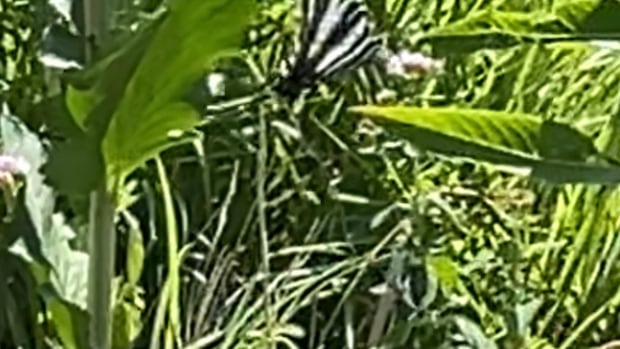
Rare Zebra Swallowtail Butterfly Spotted in Toronto’s high Park
Toronto,ON – In a remarkable turn of events,a zebra swallowtail butterfly-a species not observed in the city for more than a century-was sighted in High Park on Wednesday. The sighting offers a compelling glimpse into the resilience of nature and underscores the importance of habitat preservation amid ongoing environmental challenges.
A Century-Old Absence
the rare butterfly was discovered by Crystal Byrne, a dedicated butterfly enthusiast, during a visit to High Park. Byrne was observing the park’s diverse butterfly species when the distinctive black and white insect caught her eye. “This stunning black and white butterfly came out, and I instantly knew it was a zebra swallowtail,” Byrne recounted. “I never imagined I would see one there.”
Bob Yukich, a member of the Toronto Entomologists’ Association, confirmed the sighting’s significance, noting that the last confirmed observation of a zebra swallowtail in the area occurred in 1896. This makes Byrne’s revelation a truly exceptional event for the local scientific community.
A ‘Gift’ from a Threatened Ecosystem
Byrne’s dedication to maintaining the park’s black oak savannah-an endangered ecosystem-may have contributed to the butterfly’s return. she expressed feeling “very lucky” to have witnessed the rare insect, describing the moment as “a little gift that the land gave back” for her efforts.
High Park is home to approximately 74 butterfly species,according to the High Park Nature Center. The presence of the zebra swallowtail is notably encouraging, as its host plant, the Pawpaw, is not widespread in the region.
Did You Know? The Pawpaw tree, essential for the zebra swallowtail’s survival, is native to eastern North America and produces a fruit with a custard-like texture.
habitat loss and the Decline of Butterflies
The decline of butterfly populations, including the zebra swallowtail, is largely attributed to habitat loss and the widespread use of insecticides.Development and deforestation have substantially reduced the availability of the Pawpaw tree, a critical food source for the species’ larvae. Yukich explained that as the Pawpaw disappeared, so too did the zebra swallowtail. “They’re captivating butterflies. It’s just something you just don’t see anymore,” he said.
The Toronto Entomologists’ Association highlights that habitat loss is a major driver of insect decline globally. This trend is mirrored by the alarming decrease in monarch butterfly populations, which require international conservation efforts across Canada, the United States, and Mexico as reported by CBC News.
| Species | Last Sighting in Toronto | Current Conservation Status (Ontario) |
|---|---|---|
| Zebra Swallowtail | 1896 | Specially Protected |
| Monarch Butterfly | Ongoing monitoring | Special Concern |
Legal Protection and Conservation Efforts
Ontario’s Fish and Wildlife Conservation Act designates the zebra swallowtail as a “specially protected” species. This legal classification prohibits harming, capturing, transporting, or killing the butterfly, as outlined in a City of Toronto report.
Yukich expressed his excitement at witnessing the return of the zebra swallowtail after decades of observing habitat loss. “Butterflies are declining, and when you see something like this returning, not disappearing, it’s fascinating,” he stated.
Pro Tip: Planting native host plants, like the Pawpaw, in yoru garden can provide vital habitat for butterflies and other pollinators.
What steps can individuals take to support butterfly conservation in urban environments? How will this sighting influence future conservation strategies in High Park?
The Broader Context of Butterfly Decline
Globally, butterfly populations are facing unprecedented challenges due to climate change, pesticide use, and habitat destruction.According to a 2022 report by the World Wildlife Fund, insect populations have declined by 45% globally in the last decade. This decline has cascading effects on ecosystems, impacting pollination, food security, and overall biodiversity. The zebra swallowtail’s reappearance in Toronto serves as a reminder of the potential for recovery with targeted conservation efforts.
frequently Asked Questions About Zebra Swallowtails
- What is a zebra swallowtail? A zebra swallowtail is a striking black and white butterfly native to eastern North america.
- Why are zebra swallowtails rare? Habitat loss, specifically the decline of their host plant, the Pawpaw tree, has led to a significant decrease in their population.
- Is it illegal to harm a zebra swallowtail? Yes, in Ontario, the zebra swallowtail is a “specially protected” species, making it illegal to harm, capture, or kill them.
- What can I do to help butterflies? Planting native host plants, reducing pesticide use, and supporting conservation organizations are all effective ways to help butterfly populations.
- Where was the zebra swallowtail spotted? The butterfly was spotted in High Park, Toronto, for the frist time in over a century.
