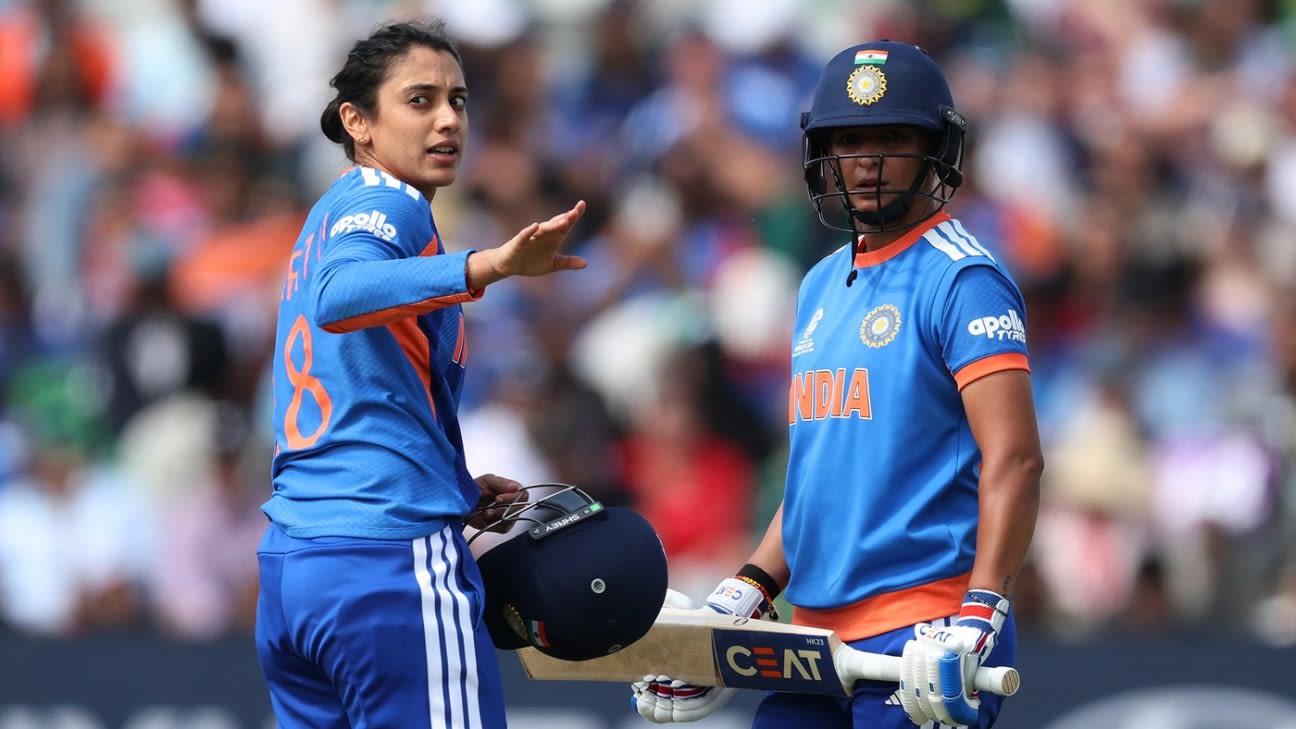
Raj Urges Clearer Succession Plan for India Amid Harmanpreet’s Fitness Concerns
Former Indian cricket captain Mithali Raj has publicly stated that Smriti Mandhana should have assumed the national captaincy “two-three years back,” citing the urgent need for a structured succession plan. Raj’s comments arrive as the Board of Control for Cricket in India (BCCI) faces mounting pressure to manage current captain Harmanpreet Kaur’s fitness and workload effectively.
The Strategic Imperative of Succession Planning
Mithali Raj’s critique centers on the lack of institutional foresight regarding leadership transitions in the women’s game. According to Raj, the failure to integrate Mandhana into a formal leadership role earlier represents a missed opportunity to stabilize the team’s tactical identity. This perspective emphasizes the importance of periodization in athlete development, where leadership capacity is built alongside technical proficiency to ensure seamless transitions during periods of injury or fatigue.
Harmanpreet Kaur’s recent history of managing soft-tissue injuries and cumulative fatigue has forced the national selectors to evaluate their depth charts. In high-stakes environments, relying on a single veteran leader without a groomed successor creates a risk of load management failure. When a captain is forced to play through minor physical limitations due to a lack of leadership depth, the team’s overall performance metrics—specifically in field placement and bowling rotation efficiency—often suffer.
Tactical Metrics and the Leadership Gap
The transition to a younger captaincy is not merely a symbolic change; it is a tactical adjustment. Mandhana, who has served as vice-captain, possesses a high cricket IQ, demonstrated by her ability to adjust her batting strike rate based on pitch conditions and match-state data. Analytical observers note that Mandhana’s presence in the leadership core has already influenced team strategy, yet Raj argues that the delay in formalizing this shift has hindered the team’s long-term tactical evolution.
Professional sports organizations often utilize a “shadow leadership” model, where the vice-captain is given significant autonomy over specific game segments to prepare for the full transition. For franchises and national boards alike, failing to implement this can lead to a significant dead-cap hit on team morale and competitive output if the primary captain is suddenly sidelined.
Infrastructure and the Professional Support Gap
The scrutiny on player fitness and leadership longevity highlights the disparity between elite-level support and the resources available to the broader sporting community. While international cricketers have access to dedicated medical staff, data analysts, and recovery specialists, amateur and semi-professional athletes often struggle to manage similar physical demands without professional intervention.
Managing the physical longevity of an athlete requires a robust support network. For those navigating the complexities of sports injuries or career-ending recovery, connecting with a vetted [Local Orthopedic Specialist] is essential. Similarly, athletes at all levels who are negotiating contract renewals or navigating the legal landscape of professional sports should seek guidance from a qualified [Sports Contract Lawyer]. These professionals ensure that legal and physical health concerns do not derail an athlete’s trajectory, mirroring the stability that Raj advocates for the national team.
Economic Implications for the Cricket Ecosystem
The stability of the national team directly impacts the regional sports economy. High-profile matches and consistent leadership are primary drivers for stadium infrastructure investment and local hospitality revenue. When a team lacks a clear, long-term direction, the resulting volatility can impact broadcast viewership and regional sponsorship deals.
Local businesses, particularly those operating in the [Event Management and Hospitality] sector, rely on the predictability of the international cricket schedule to forecast their annual revenues. A clear succession plan for a national captain is not just a sporting decision; it is a business imperative that ensures the sustained commercial viability of the sport within the host city. By securing a stable, high-profile captaincy, the board protects the brand equity that drives ticket sales and local tourism during major tournament cycles.
As the international season progresses, the focus remains on whether the BCCI will adopt the structural changes Raj suggests. The ability to pivot from a veteran-heavy leadership model to a younger, more durable structure will define the team’s performance in the upcoming global tournaments. For the wider athletic community, the lesson remains clear: professional longevity—whether for a nation’s captain or a local club athlete—is built on the foundation of early planning and access to elite support services.
Disclaimer: The insights provided in this article are for informational and entertainment purposes only and do not constitute medical advice or sports betting recommendations.