Putin Rules Out Ukraine Ceasefire Talks After Kerch Bridge Strike
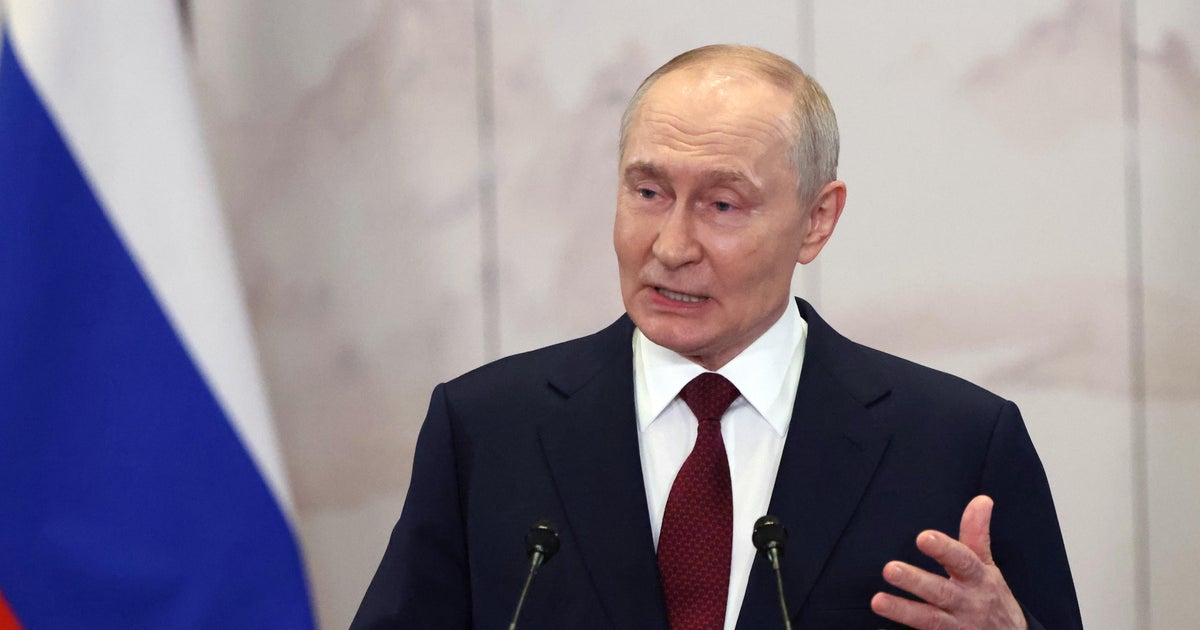
President Vladimir Putin said Thursday in Shenzhen, China, that Russia will not negotiate a limited ceasefire with Ukraine, ruling out talks after a Ukrainian missile strike inflicted severe damage on the Kerch Bridge linking Russia to occupied Crimea.
Putin made the remarks to reporters after meeting President Trump and Chinese President Xi Jinping. He said he had discussed a ceasefire in certain areas of Ukraine with his Security Council but would not proceed after the strike on the bridge, which he opened ceremonially in 2018.
The 12-mile crossing carries heavy symbolic weight: it binds the Russian mainland to Crimea, which Russian forces occupied about four years before the bridge opened.
It was not the first Ukrainian attack on the structure, but this week’s strike caused severe damage. Russia struck two major bridges in Kyiv the same day.
“However, we will not make agreements after strikes on the Crimean Bridge. We will respond to these strikes.”

A response “much more painful”
Putin vowed Russia’s retaliation would be severe, TASS reported. At a news conference in Shenzhen, he said Moscow’s response would be “much more painful” than the damage inflicted on the bridge, which he called an “exclusively peaceful facility” and said had not been used to move military equipment, ammunition or even oil.
His remarks marked the Russian president’s first public reaction to the attacks, in which he said the bridge had sustained “serious damage.” Russia’s Transportation Ministry announced that train traffic across the crossing has been temporarily suspended. Putin said the railway section had, in his assessment, already been restored while the road section was badly damaged, and that the bridge would be rebuilt.
He also warned of a military consequence beyond retaliation strikes: Russia will strengthen its presence in Ukraine's Zaporizhzhia and Kherson regions, which already give Russia a land connection to Crimea.
.@SEPeaceMissions and I had a very productive meeting today with German Chancellor @_FriedrichMerz and his National Security Advisor Günter Sautter. We updated them on @realDonaldTrump discussions in China and the latest efforts to achieve a just, lasting and durable peace in… pic.twitter.com/Us4OU7fQdC
“We have created such an opportunity through the Zaporizhzhia and Kherson regions.”
What the Shenzhen summit settled — and didn’t

Kushner said they discussed the “latest efforts to achieve a just, lasting and durable peace in Ukraine.”
Part of the Crimean Bridge collapsed into the Kerch Strait early on Nov. 17, rattling Kremlin supporters and raising fresh questions about Russia's air defenses and the Kremlin's broader strategy for the war in Ukraine.https://t.co/YwqBPxKY84
Why the bridge keeps drawing fire
The missile strike this week wasn’t the first time Ukraine had targeted the piece of infrastructure.
“He’s my friend.”

Where the ceasefire question stands now
The gap between the two camps is stark. Putin says Russia wants peace but will negotiate nothing after the bridge strike, and promises a painful answer. European leaders meeting Kushner and Witkoff in Germany are pressing a separate diplomatic track — one Merz says the Shenzhen format cannot replace.
The White House readout’s silence on Ukraine leaves open the central question of what, if anything, Trump and Putin agreed about the war. Until Russia’s promised retaliation comes — or a negotiating channel reopens — the limited ceasefire Putin says he briefly considered stays off the table, by his own instruction.
Putin, born in 1952 in Leningrad, is a former KGB foreign intelligence officer who spent 16 years in the service, rising to the rank of lieutenant colonel before resigning in 1991 to enter politics in Saint Petersburg. He moved to Moscow in 1996 to join President Boris Yeltsin’s administration, briefly led the Federal Security Service, and became prime minister in August 1999.
After Yeltsin’s resignation, he became acting president and was elected to his first full term in March 2000. He has led Russia de facto since 1999, serving as president from 1999 to 2008, as prime minister from 2008 to 2012, and as president again since 2012. In 2021 he signed constitutional amendments allowing him to run for reelection twice more, potentially extending his presidency to 2036.
“After the attacks on the Crimean Bridge, we will not negotiate,” Putin said. “We will respond to these attacks. And I want everyone to know this.”