
Teresita de los Andes school Ignites Scientific Curiosity with First Science Tour
Table of Contents
- Teresita de los Andes school Ignites Scientific Curiosity with First Science Tour
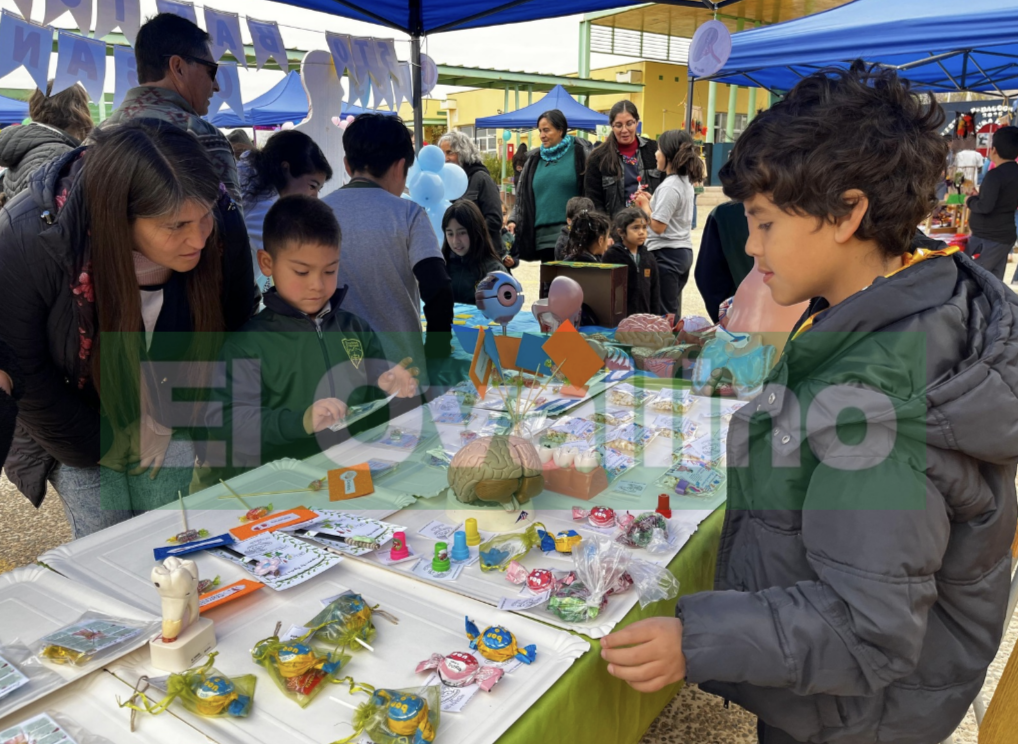
Graneros, Chile – students at Teresita de los Andes School recently embarked on their inaugural “science tour,” a pedagogical exhibition designed to bolster essential skills and provide enriching experiences. The event showcased student projects, interactive games, and awards centered around diverse scientific themes, captivating students from La Granjita, Graneros, and Ciénago schools, along with their teachers, educational assistants, and families.
A Journey Through Scientific Discovery
The science tour featured various stands where students presented on topics ranging from cells and the Earth’s structure to the water cycle and human body organs. This immersive experience allowed participants to engage with scientific concepts in a playful and accessible manner. According to the National Science Teaching Association (NSTA), hands-on activities considerably improve students’ understanding and retention of scientific information.
Did You Know? The NSTA estimates that students involved in hands-on science activities score up to 20% higher on science assessments.
Enhancing Integral Development Through Science
Carlos Gatica, director of Teresita de los Andes School, emphasized that this pedagogical sample aims to enhance the integral development of students by linking science with language, culture, and other subjects. Bernardita Valenzuela, head of the Department of Education, praised the initiative for promoting interest in science and active learning, highlighting the school’s commitment to education.
alejandra Araya, a natural sciences professor at Teresita School of the Andes, explained that the event allowed students to showcase their models and transmit knowledge tailored to their respective levels. Leonardo Contreras, a professor from La Granjita school, noted the value of pedagogical outings for children, emphasizing the combination of knowledge acquisition and socialization. He added that “learning by doing” is crucial, as it engages all the senses and enhances the learning experience.
Exploring the Cosmos
A highlight of the science tour was a visit to a planetarium, where images of the night sky and astronomical phenomena were projected. Mario Acuña, a student from the Graneros school, expressed his enthusiasm for the planetarium, stating that he learned about the origin of the galaxy and the planets of the Solar System, finding the experience highly entertaining. Similarly, Matías Jorquera from La Granjita school found the exhibition and planetarium very engaging, especially enjoying learning about the creation of galaxies and planets.
Pro tip: Encourage children’s curiosity by visiting local science museums and planetariums. These experiences can spark a lifelong interest in science.
The Foundational Role of Science in Education
science plays a vital role in educational institutions, providing the foundation for development, innovation, and problem-solving [[3]]. It enables students to understand the world around them and equips them with critical thinking skills necessary for future success. Public health, a branch of science, uses scientific principles to improve health and well-being [[1]].
| Key Aspect | Description |
|---|---|
| Event | First Science Tour |
| Location | Teresita de los Andes School,Graneros,Chile |
| Participants | Students,Teachers,Education Assistants,Parents |
| Activities | Student Presentations,Interactive Games,Planetarium visit |
| Focus | Enhancing Science Education and Integral Development |
Combating “Fake Science”
While science education is crucial,it’s also critically important to address the issue of “fake science” and ensure that students are equipped to critically evaluate information [[2]]. Promoting scientific literacy and critical thinking skills can help students distinguish between credible research and misinformation.
Why is it important to foster a love for science in young students? How can parents and educators work together to make science more accessible and engaging for all children?
Evergreen Insights: the Enduring Importance of Science Education
Science education is not merely about memorizing facts; it’s about cultivating a mindset of inquiry, critical thinking, and problem-solving. These skills are essential for navigating an increasingly complex world and contributing to future innovations. By engaging students in hands-on activities, fostering curiosity, and connecting scientific concepts to real-world applications, educators can inspire a lifelong love of learning and empower students to become informed and engaged citizens.
Frequently Asked Questions About science Education
- What are the benefits of hands-on science activities?
- Hands-on activities enhance understanding,retention,and engagement by allowing students to actively explore scientific concepts.
- How can schools make science more accessible to all students?
- Schools can provide diverse learning opportunities,address individual needs,and create inclusive environments that foster a sense of belonging.
- What role do parents play in supporting science education?
- Parents can encourage curiosity, provide resources, and engage in science-related activities with their children to reinforce learning.
- How does science education contribute to future career opportunities?
- Science education equips students with critical thinking, problem-solving, and analytical skills that are valuable in various careers, particularly in STEM fields.
- What are some effective strategies for teaching science to young children?
- Effective strategies include hands-on experiments, real-world connections, and interactive games that make learning fun and engaging.
Ready to ignite yoru child’s passion for science? Share this article and let’s inspire the next generation of innovators! Leave a comment below with your favorite science experiment.
