Proteomic Plasma Biomarkers Predict ALS Symptom Onset in Genetic Carriers
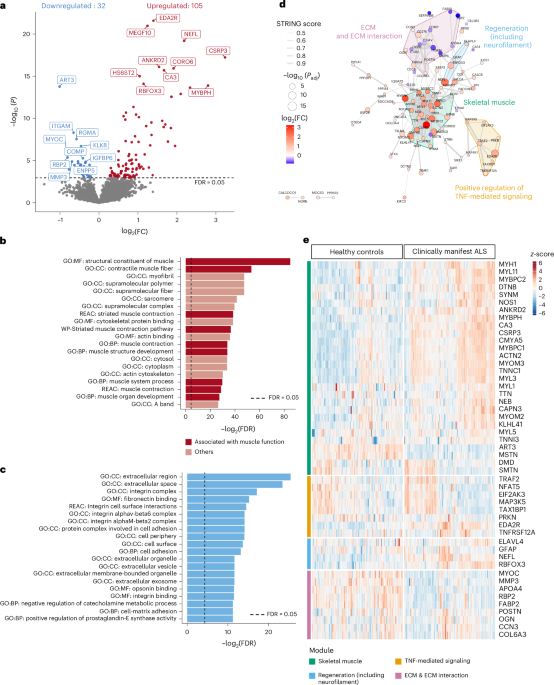
Longitudinal plasma proteomics can predict phenoconversion to clinically manifest amyotrophic lateral sclerosis (ALS) in unaffected carriers of pathogenic genetic variants, according to a peer-reviewed study published July 27, 2026, in Nature Medicine. Researchers analyzed serial blood samples to identify early protein changes years before motor symptoms appear, mapping disease trajectories to estimate the timing of clinical onset.
Mapping the Critical Window Before Symptom Onset
For individuals carrying known genetic mutations linked to familial forms of the disease, the uncertainty of phenoconversion—the transition from being an asymptomatic genetic carrier to exhibiting clinical symptoms—creates a critical window of vulnerability. Addressing this gap requires robust biomarkers capable of tracking subclinical disease progression before irreversible morbidity takes hold.
Tracking Subclinical Signatures Through Proteomics
The Nature Medicine study utilized advanced high-throughput proteomics to track longitudinal plasma samples from unaffected pathogenic variant carriers. By charting subtle shifts in protein expression over time, the research team detected biological signatures that precede clinical onset. These findings provide clinicians with objective data to differentiate stable carriers from those actively progressing toward symptomatic ALS, opening new pathways for specialized neurologic evaluation.
Transforming Trial Design and Therapeutic Timing
Traditional neurodegenerative care often focuses on managing symptoms after diagnosis, but tracking longitudinal proteomic trajectories enables targeted monitoring.
Moving From Watchful Waiting to Molecular Surveillance
Disclaimer: The information provided in this article is for educational and scientific communication purposes only and does not constitute medical advice. Always consult with a qualified healthcare provider regarding any medical condition, diagnosis, or treatment plan.