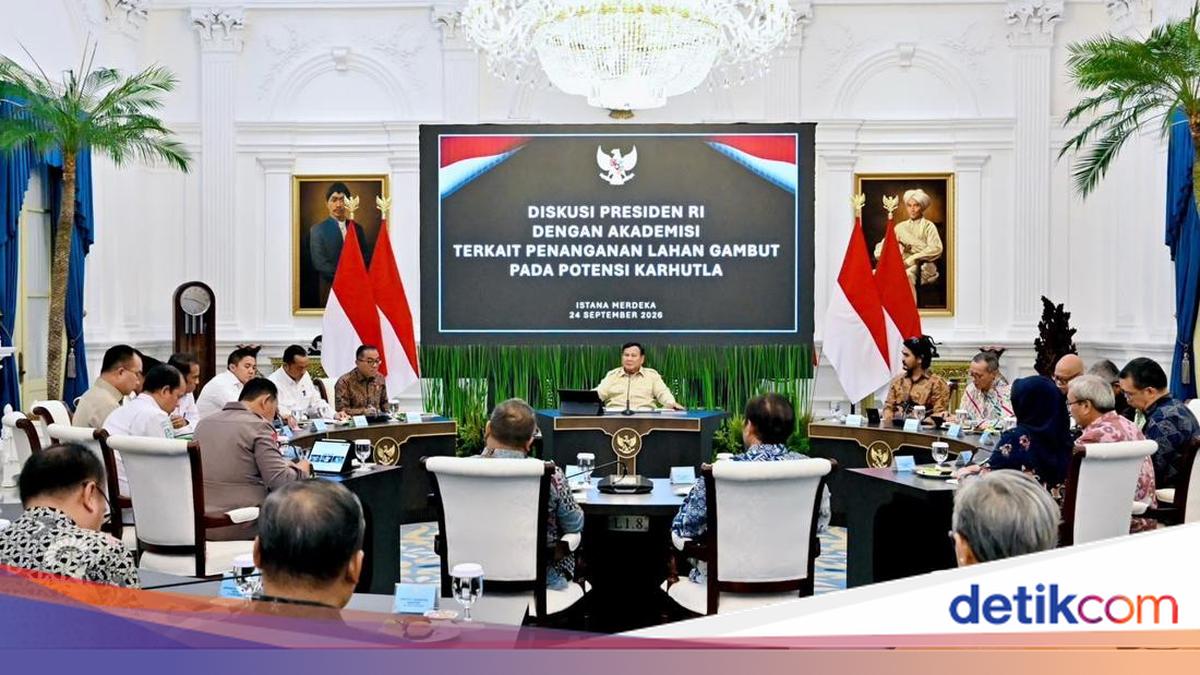
President Prabowo meets researchers to discuss peatland fire prevention
Indonesian President Prabowo Subianto convened a meeting at Merdeka Palace in Jakarta with 16 researchers and academics to discuss peatland forest and land fire prevention. Prabowo outlined plans to overhaul local regulations permitting small-scale burning while seeking expert guidance on productive peatland management and regulatory enforcement.
The high-level discussion brought together specialists from major domestic research institutions to address systemic vulnerabilities in Indonesia’s fire management framework. Peatland ecosystems present unique ecological challenges during dry seasons, making scientific consensus vital for long-term environmental protection and economic stability.
Regulatory Overhauls and the Two-Hectare Burning Loophole
Addressing the assembled researchers, Prabowo targeted regional laws that continue to permit controlled burning for land preparation. According to remarks released via the official YouTube account of the Presidential Secretariat on September 25, 2026, the administration intends to invalidate existing municipal ordinances that allow individuals to burn up to two hectares of land.
"Yang pertama, kita harus koreksi regulasi. Itu nanti kita harus tegas. Masih ada delapan perda di kabupaten. Bayangkan, yang mau pakai loophole bahwa boleh bakar 2 hektare. Which is menurut saya complete nonsense. Bahwa satu orang boleh bakar 2 hektare," Prabowo stated during the forum.
This strict stance highlights a direct clash between national environmental mandates and remaining regional regulations.
Enforcing Corporate Infrastructure Mandates
Beyond individual smallholders, the presidential briefing emphasized stricter oversight of commercial concession holders. Existing statutory frameworks require plantation and forestry companies to maintain specific preventative infrastructure across their operational footprints.
"Perusahaan, kita sudah ada ketentuan ya, sudah ada kewajiban-kewajiban ya. Tiap 5 hektar harus ada menara. Tiap sekian hektare harus ada embung, tiap sekian, sudah ada regulasinya. Dan Anda harus punya tim pemadam kebakaran dari karyawan Anda. Ada perusahaan yang patuh, ada perusahaan yang tidak. Ini harus kita tertibkan," Prabowo explained.
Mandated safety installations include watchtowers every five hectares, designated water reservoirs, and dedicated corporate firefighting units staffed by internal employees. While compliant operators meet these benchmarks, regulatory authorities are moving to penalize non-compliant entities.
Engaging Academic Expertise on Peatland Productivity
Shifting from punitive measures to ecological strategy, Prabowo posed three core questions to the panel of academics. He asked for the most effective preventative steps against forest fires, the best practices for managing forested peatland zones, and whether degraded peatlands can be transitioned toward sustainable agricultural productivity.

The advisory panel included prominent scientists representing diverse academic institutions across Indonesia:
- Bagus Muljadi (Nottingham University)
- Azwar Maas (UGM)
- Zakaria Amsari (Universitas Tanjungpura)
- Haris Gunawan (UNRI)
- Darmae Nasir (Universitas Palangka Raya)
- Henrik Segah (Universitas Palangka Raya)
- Yulianto S Nugroho (UI)
- Asmari Saad (Universitas Jambi)
- Puji Lestari (ITB)
- Indratmo Soekarno (ITB)
- Made Hesti Lestari (BRIN)
- Ahmad Kurnain (Universitas Lambung Mangkurat)
- Bambang Kun Cahyono (UGM)
- Sigit Sutikno (UNRI)
- Ati Dwi Nurhayati (IPB)
- Muhammad Agung Santoso (UI)
- Elham Sumarga (ITB)
Prabowo defended his reliance on academic counsel, pushing back against public mischaracterizations of his administrative style. "Jadi Saudara-saudara, jangan salah ya menerima, kadang-kadang saya kalau bicara di audiens, suka dipelintir ya, dibilang seolah saya nggak hormati pakar. Saya paling hormat sama pakar. Nggak bisa apa pun, saya, kenapa saya berhasil sebagai perwira? Karena saya selalu cari pakar. Anyway. Jadi mohon saya diberi masukan, what can we do," he noted.
Sound ecological management and rigorous legal preparedness will dictate survival in the country's evolving agricultural and forestry sectors.