
Air Pollution Exposure during pregnancy Linked to Fetal Brain Changes
Table of Contents
Barcelona, Spain – A groundbreaking study reveals that fetuses exposed to certain air pollutants exhibit changes in brain structure size, particularly during the second and third trimesters of pregnancy. The research, spearheaded by the Global Health Institute of Barcelona (isglobal) in collaboration with the BCNatal Center and Hospital de la Santa Creu I Sant Pau, marks the first specific analysis of the association between air pollution and fetal brain development during pregnancy.
Key Findings on Air Pollution and Fetal Brain Development
Published in The Lancet Planetary Health, the study analyzed data from 754 mother-fetus pairs participating in the BiSC (Barcelona Life Study Cohort) project between 2018 and 2021. The investigation focused on the impact of air pollution on child health and brain development, making it one of the most thorough studies in this area.
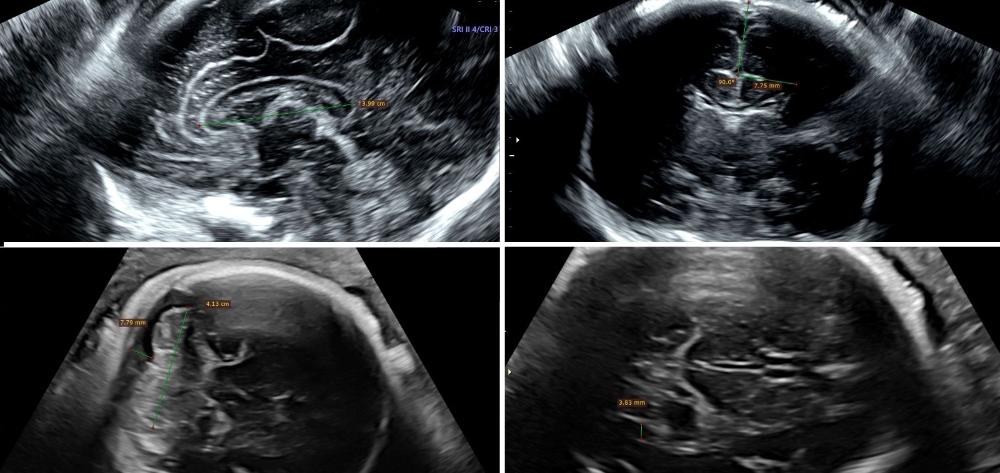
During the third trimester, participants underwent transvaginal neurosonography to analyze fetal brain structures. exposure to nitrogen dioxide (NO₂), particulate matter (PM2.5), and black carbon was estimated using hybrid models combining real measurement data with advanced statistical methods. The study considered microenvironments such as home, workplace, and travel routes, tracking activity patterns via a geolocation application on participants’ mobile phones.
Did You Know? Air pollution is a major environmental risk to health, with the World Health Organization estimating that 99% of the global population breathes air exceeding recommended limits [[WHO]].
The research team observed that prenatal exposure to NO₂, PM2.5, and black carbon was associated with an increase in the volume of brain cavities containing cerebrospinal fluid.specifically, direct associations were identified between exposure to these pollutants and increased volume in the lateral ventricles and dilation of the magna cistern. an increase in the thickness of the cerebellar, crucial for balance and motor coordination, was also noted.
Furthermore, the study revealed an association between greater exposure to black carbon and a reduction in the depth of the lateral groove (Sylvius’s fissure), possibly indicating less brain maturation.
Critical Period of Vulnerability
The associations between air pollution exposure and changes in brain structure morphology were most pronounced during the second and third trimesters. According to Payam Dadvand, ISGlobal researcher and senior author, the fetal brain enters a critical phase of development during this period, making it particularly vulnerable to external factors like pollution.
Pro Tip: Pregnant women can reduce their exposure to air pollution by avoiding heavily trafficked areas, using air purifiers at home, and staying informed about local air quality reports.
Implications and Future Research
While the observed effects do not indicate pathological brain alterations in the participating children, Laura Gómez-Herrera, ISGlobal researcher and co-author, emphasized that these differences are relevant from a population perspective, highlighting the impact of pollution on fetal brain vulnerability. The research team calls for further studies to confirm these findings and investigate potential long-term consequences.
Yu Zhao, ISGlobal researcher and co-author, noted that the results reinforce the need to minimize pregnant women’s exposure to air pollution, especially in urban environments, which aligns with findings that children exposed to air pollution in the womb are at risk of various health issues [[2]].
| Pollutant | Observed Effect | Brain Structure Affected |
|---|---|---|
| Nitrogen Dioxide (NO₂) | Increased Volume | Lateral Ventricles |
| Particulate Matter (PM2.5) | Increased Volume | Magna Cistern |
| Black Carbon | Reduced depth | Lateral Groove (Sylvius’s Fissure) |
The Broader Context of Air Pollution and Pregnancy
Air pollution poses notable risks to pregnant women and their babies. Exposure to air pollutants during pregnancy has been linked to various adverse health outcomes, including low birth weight, preterm birth, and impaired cognitive development [[3]]. These effects can have long-lasting impacts on the child’s health and well-being.
Globally,efforts are underway to reduce air pollution levels and protect vulnerable populations. Initiatives such as promoting cleaner transportation, implementing stricter emission standards, and investing in renewable energy sources are crucial for improving air quality and safeguarding public health.
Frequently Asked Questions About Air Pollution and Pregnancy
How does air pollution affect fetal development?
Air pollution can affect fetal development by causing changes in brain structure size and potentially impacting neurodevelopmental outcomes.
What are the long-term consequences of air pollution exposure during pregnancy?
The long-term consequences are still under investigation, but potential impacts include neurodevelopmental delays and other health issues.
What can pregnant women do to protect themselves from air pollution?
Pregnant women can reduce their exposure by avoiding polluted areas, using air purifiers, and staying informed about air quality reports.
The findings underscore the importance of increasing awareness and education within the health community and society. As Elisa llurba and lola Gómez-Roig, medical professionals from Hospital de Sant Pau and BCNATAL-Hospital Sant Joan de Déu, respectively, emphasize, there is convincing evidence that air pollution can subtly affect fetal brain development, even in seemingly healthy pregnancies.
What steps should governments take to mitigate air pollution in urban areas? How can individuals contribute to reducing air pollution in their communities?
disclaimer: This article provides information about research findings related to air pollution and fetal development. It is not intended to provide medical advice. Consult with a healthcare professional for personalized guidance.
Share this article and join the conversation! subscribe to World Today News for more updates on environmental health and research.
