
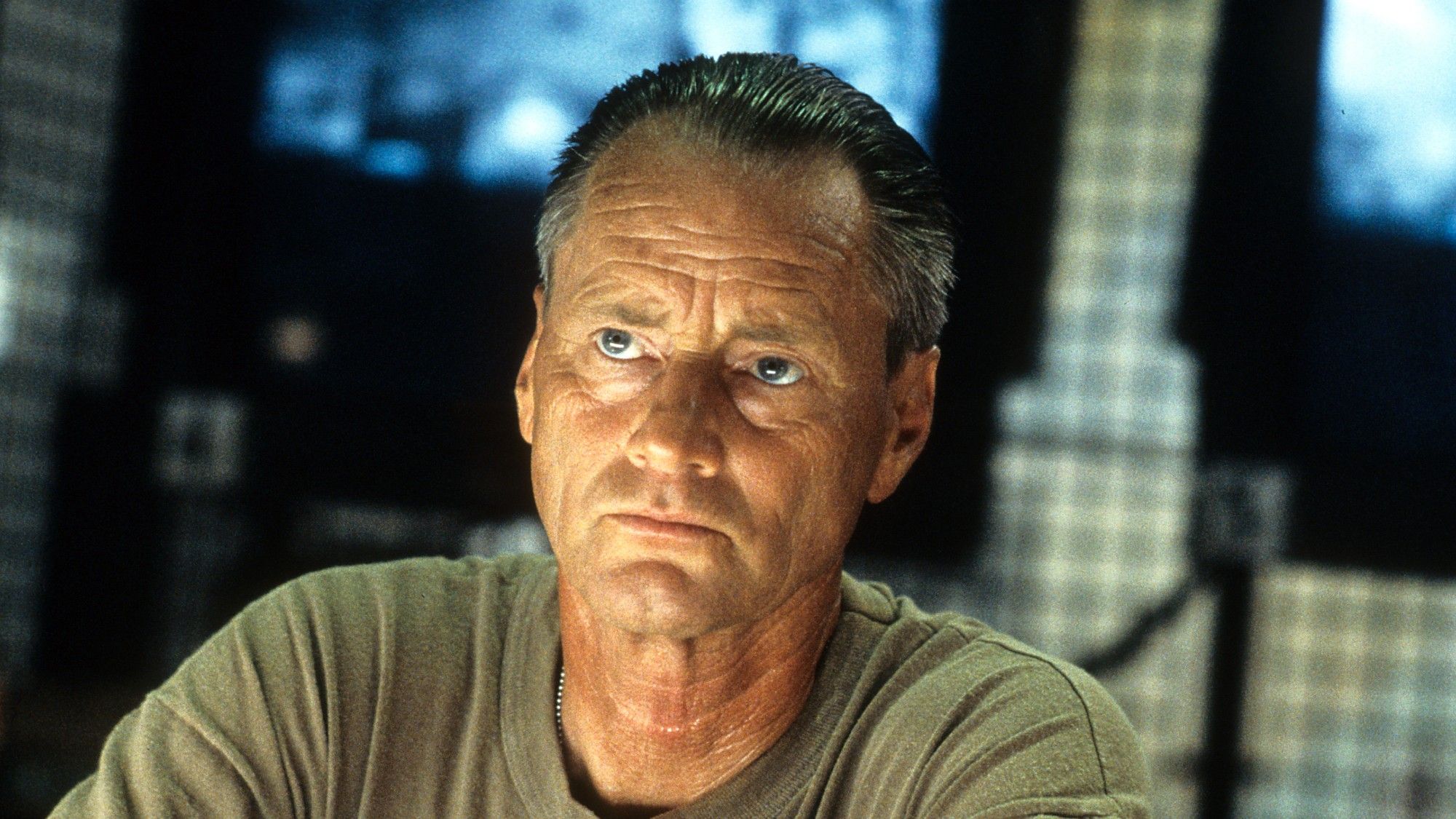
The enduring power of war films to resonate with audiences is particularly acute as global tensions rise. Recent cinematic depictions of conflict, from the harrowing realism of “Black Hawk Down” to the introspective narratives of “All Quiet on the Western Front,” offer stark reminders of the human cost of armed struggle.
Released in 2001, Ridley Scott’s “Black Hawk Down” dramatizes the 1992-1993 U.S.-led intervention in Somalia, initially intended to alleviate famine. The film centers on a U.S. Army Rangers operation to capture the Somali warlord Mohamed Aidid in Mogadishu. The mission quickly devolves into a desperate fight for survival when two Black Hawk helicopters are shot down. The film, based on Mark Bowden’s non-fiction book, has been praised for its technical skill and gripping portrayal of combat, but too criticized for its limited contextualization of the complex political situation in Somalia.
Beyond Somalia, cinematic explorations of war extend to other theaters of conflict. Clint Eastwood’s 2006 film, “Letters From Iwo Jima,” offers a rare perspective on World War II, portraying the battle for the strategically important island of Iwo Jima from the viewpoint of the Japanese soldiers defending it. The film focuses on General Kuribayashi, tasked with preparing his forces for the anticipated American invasion, and the soldiers under his command as they construct a network of tunnels and fortifications. The film poignantly depicts the soldiers’ understanding of their dire situation, including scenes of soldiers choosing suicide over capture.
Kathryn Bigelow’s 2008 film, “The Hurt Locker,” is considered by many to be a definitive portrayal of the Iraq War. The film follows Staff Sergeant William James, a bomb disposal expert, and his team as they navigate the dangers of improvised explosive devices (IEDs) in Iraq. The film eschews explicit political commentary, instead focusing on the psychological toll of war and the adrenaline-fueled intensity of bomb disposal operate. Jeremy Renner’s performance as James was widely lauded.
The same year, Ari Folman’s animated film, “Waltz with Bashir,” offered a unique and haunting exploration of the 1982 Israeli invasion of Lebanon. Folman, drawing on his own experiences as a soldier, interviews fellow veterans to reconstruct the events of the conflict, including the controversial Sabra and Shatila massacre of Palestinian refugees. The film blends animation with documentary techniques to create a powerful and emotionally resonant anti-war statement.
Mel Gibson’s 2016 film, “Hacksaw Ridge,” tells the true story of Desmond Doss, a conscientious objector who served as a medic during World War II. Doss, a devout pacifist, refused to carry a weapon but nonetheless heroically saved the lives of 75 soldiers during the Battle of Okinawa. The film, starring Andrew Garfield, received critical acclaim and multiple Academy Award nominations.
More recently, Christopher Nolan’s 2017 film, “Dunkirk,” presented a structurally innovative account of the evacuation of British and Allied forces from France in 1940. The film interweaves three perspectives – an infantryman attempting to escape, a civilian sailor volunteering to help with the evacuation, and a Royal Air Force pilot providing air cover – to create a visceral and immersive depiction of the desperate situation. Nolan deliberately avoided graphic depictions of violence, instead focusing on the scale and heroism of the evacuation.
In 2019, Sam Mendes’ “1917” employed a technique of long, unbroken shots to create the illusion of a single, continuous accept, immersing viewers in the harrowing experience of two British lance corporals tasked with delivering a crucial message during World War I. The film follows their journey through the trenches and across the war-torn landscape, highlighting the constant threat of danger and the futility of war.
Edward Berger’s 2022 adaptation of Erich Maria Remarque’s novel, “All Quiet on the Western Front,” offered a bleak and unflinching portrayal of the horrors of trench warfare during World War I. The film follows a young German soldier, Paul Bäumer, as he experiences the brutal realities of war, stripping away any romantic notions of heroism or glory. The film’s stark visuals and haunting score contribute to its powerful anti-war message.
As of February 2026, the United States continues to maintain a military presence in Somalia, primarily focused on counterterrorism operations against al-Shabaab. According to a 2026 report by Al Jazeera, U.S. Strikes in Somalia have doubled under the Trump administration, raising questions about the long-term strategy and impact of these operations. The situation in Somalia remains volatile, with ongoing political instability and humanitarian challenges.
