
Portugal Beaches Tackle Hygiene with Stark Signage
Albufeira’s Santa Eulália Beach Implements Direct Visual Warnings Amidst Tourist Behaviour Concerns
Holidaymakers in Portugal are facing explicit reminders about beach etiquette as a popular Algarve destination introduces direct visual warnings against public urination and defecation. Santa Eulália Beach in Albufeira has installed a sign featuring a man urinating and a person squatting, both crossed out with a prohibition symbol.
Direct Messaging for Cleanliness
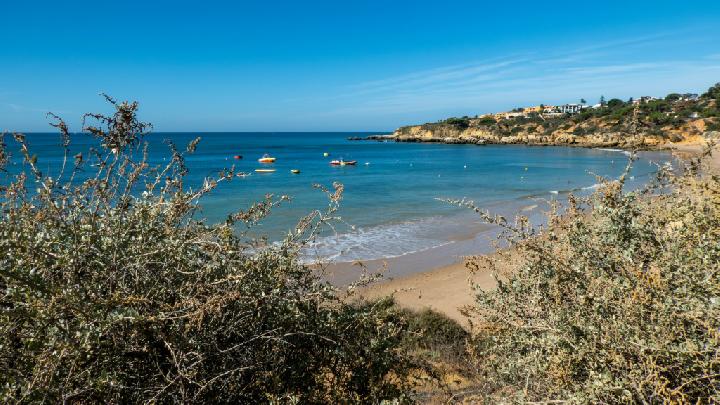
The sign, accompanied by the Portuguese phrase ‘NAO URINAR’ (meaning ‘No defecating or urinating’), aims to curb unhygienic practices observed among some visitors. This move comes as authorities grapple with maintaining cleanliness standards at the highly frequented beach, known for its golden sands and calm waters, which attracts many British tourists and expatriates.
A local tourist expressed surprise at the need for such a stark warning. “Who would dare to defecate on the beach? I believe most people know that it is not acceptable behavior. I’m not sure why they need a sign to warn people not to do it, but I think the sign is there because disgusting people have done it in the past,” they commented.
Broader Tourism Challenges Emerge
Beyond hygiene concerns, Portugal’s tourism sector is also contending with significant transportation disruptions. Ground staff strikes, initiated on July 25th due to wage disputes, unpaid night shifts, and parking issues, have led to widespread flight delays and cancellations at major airports including Lisbon, Faro, and Porto Santo.
These operational snags, coupled with overcrowding at popular spots like Albufeira, are creating a less-than-ideal experience for many travellers. Despite these challenges, tourism remains a vital component of the Portuguese economy, drawing millions of visitors annually.
Safety Awareness Campaigns Intensify
In addition to cleanliness advisories, beachgoers are also being alerted to coastal cliff dangers. The Civil Protection Service of Albufeira, in collaboration with the Maritime Police and the City Beach Guard Association, began distributing informational leaflets in both Portuguese and English from July 1st, 2025.
These efforts aim to heighten awareness of potential risks in cliff areas and provide guidance on avoidance. Warnings about excessive sun exposure are also being promoted, with advice on staying hydrated, using sunscreen, wearing appropriate attire, and limiting time in the sun during peak heat hours.
Portugal’s tourism sector faces a multi-faceted challenge, balancing the economic benefits of visitor numbers with the imperative to maintain environmental standards, public health, and visitor safety, as highlighted by a recent report stating that over 80% of European travellers are more conscious of sustainability when booking trips (The Guardian, 2023).
