
Teen Confesses to Poisoning Cake, Targeting Two Friends
Jealousy Motive revealed in Deadly Pot Cake Case
A chilling case of betrayal has come to light in Brazil, where a teenager confessed to poisoning a pot cake that led to the death of 17-year-old Ana Luiza Neves. The motive? Jealousy, according to police reports. The same teen had previously targeted another friend with a similar poisoned treat.
First Victim Speaks Out
Kamilly, also 17, survived after consuming a poisoned cake just two weeks prior to Ana Luiza‘s death. She received the cake at work after a motoboy asked her to confirm a code that arrived via SMS. “I went to get my cell phone to see if anyone in my family had sent, then the code came.I delivered to motoboy and received the order,”
she stated.
Shortly after,Kamilly received messages from a fake profile named Eduardo,claiming he had sent the gift. “If you get a gift there, it’s for you (laughter),”
the message read. Soon after eating the cake, Kamilly became severely ill. “I was losing my strength,I was feeling chills,getting cold,”
she recalled.
Her mother, Kátia Miranda, rushed her to the hospital. “I arrived shouting, ‘My daughter was poisoned!'”.
While tests detected an abnormal substance, the exact poison couldn’t be identified as the cake had been discarded.
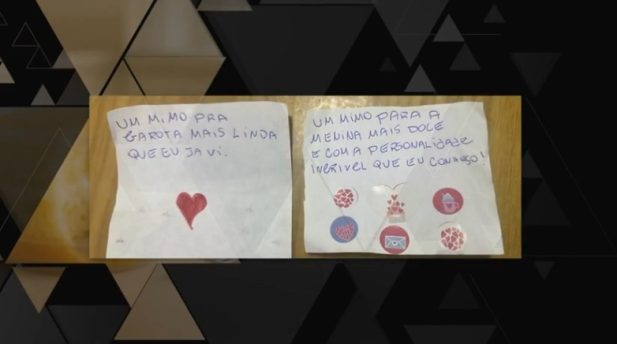
A Deadly Pattern Emerges
Initially, the family didn’t report the incident due to lack of evidence.However, after learning about Ana Luiza‘s death, Kátia decided to come forward. “From the moment a young woman lost her life, I said, ‘Ká, we can’t be silent. It was a life’,”
declared Katia. Both victims received similar notes from a “secret admirer” alongside pot cakes bought from the same store and poisoned with arsenic trioxide.
Did you know? Arsenic poisoning can cause a range of symptoms, including nausea, vomiting, abdominal pain, and even death. According to the World Health Organization, long-term exposure to arsenic can lead to various health problems, including cancer (WHO).
Confession and Lack of Remorse
Delegate Vitor Santos told the press that police connected the two cases, leading them to the delivery motoboy, who then led them to the suspect’s home. The teenager was taken to the police station with her mother after the delivery man identified her. “There was no doubt in saying that she was the same person who had delivered the cake,”
said the delegate.
“Talking to the teenager, she eventually admitted the authorship of both facts.But at no time did it show a great regret,”
he added. The young woman confessed, claiming jealousy as her motive and stating she only wanted the victims to “go wrong.” She also cited psychological problems and an inability to control her impulses.
Father’s Heartbreak
Silvio Ferreira das Neves, Ana Luiza‘s father, expressed his disbelief and grief. “When the investigation came to the perpetrator, I did not believe it. I thought it was someone else. This girl came here, ate, slept, wore the makeup of my daughters, clothes,”
he recalled.
Silvio recounted how the suspect had even stayed at their house the weekend of the incident. “She saw my line vomiting, getting sick. When my daughter passed out, she was here. In the emergency room, [quando] The diagnosis of my daughter’s death came, she was here. She hugged me and said, ‘Uncle, everything will be fine.’ She is cold. Cruel,”
accused the father.
He lamented the cruelty of the act. “My daughter was… she was everything (…) I keep asking: why so much cruelty? The person gets bad thing so easy,accessing such a risky substance to poison others.”
Legal Ramifications
The teenager confessed to the poisonings at the Itapecerica da Serra Police Station. She is currently hospitalized at the Casa Foundation and, as a minor, faces a maximum sentence of three years in prison.
The Ministry of Health anticipates implementing a care line for intoxicated individuals by 2030, addressing the easy access to poison in brazil and the scarcity of antidotes for arsenic poisoning.
