
Wild Cat Merlin Returns to Danube-Ipoly National Park with GPS Tracking
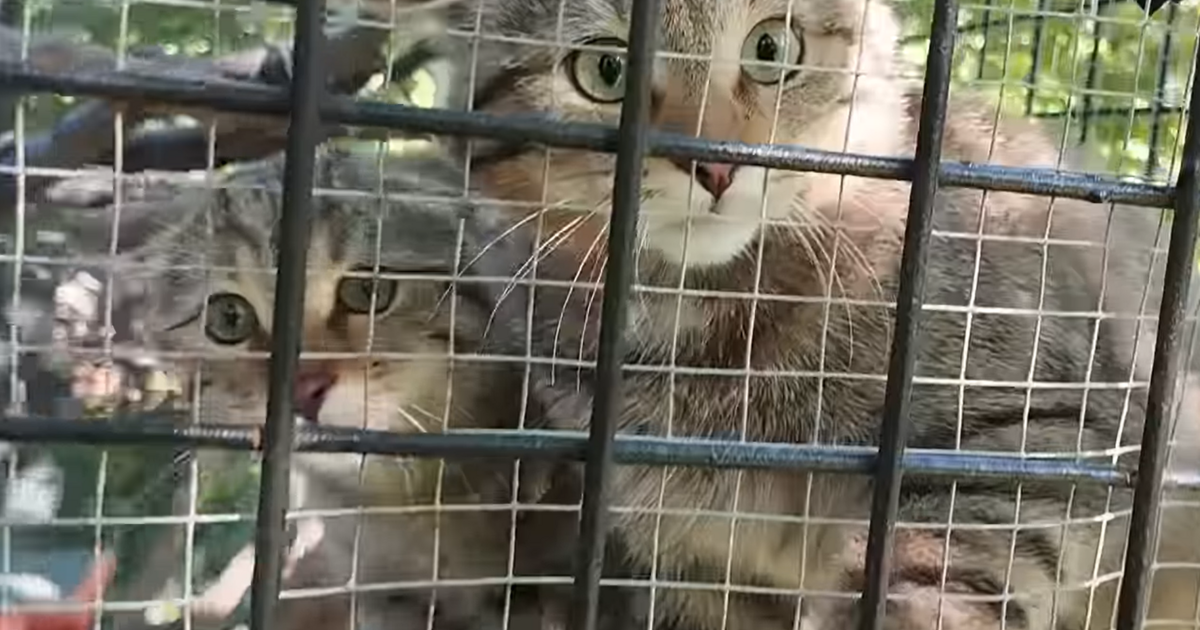
Merlin,a genetically pure wild cat,has been released into the Danube-Ipoly National Park,according to park officials. the wild cat was rescued as a kitten from Baranya County, along with two siblings, Likenek and Lukrécia.Tourists discovered the trio and alerted authorities.
initially, the behavior of the kittens raised suspicions. The Budakeszi Wildlife Park noted their wild tendencies, including scratching, biting, and avoiding human contact. This led experts to believe they were not simply abandoned domestic kittens.
Genetic Confirmation and Relocation
Genetic testing confirmed the animals were indeed pure wild cats and siblings. A collaborative decision was made with the Danube-Drava National Park and the Danube-Ipoly National Park to entrust their care to the Budakeszi Wildlife park, which has expertise in raising wild animals.
Species Preservation Program
The Budakeszi Wildlife Park is actively involved in a species preservation program. Drawing on their experience with another wild cat, Sapfi, who was successfully reintroduced to the wild, the park aimed to minimize human contact with Merlin and his siblings.The goal was to release them back into their natural habitat once they reached adulthood.
GPS Tracking for Merlin
Following the successful release of Serenke,another wild cat,into the Danube-Drava National Park in the autumn of 2024,Merlin was recently released into the Danube-Ipoly national Park. Pilisi Parkerdő zrt. oversaw the relocation. With support from Kodolányi János University, merlin was fitted with a GPS tracking collar. This will allow researchers to monitor his movements and habitat use for approximately one year.
University Support
Kodolányi János University is committed to supporting the Wildlife Park’s scientific and species preservation efforts. the university community and students of the Kodolányi Grammar School have even adopted the wild cat as their mascot, further promoting awareness of the species.
Program Origins
The species preservation program was launched in March 2021 through a collaboration between the Budakeszi Wildlife Park, the Danube-Ipoly National Park Directorate, and the pilis Park Forest.The program aims to bolster the survival of genetically pure wild cats in the region.
Frequently Asked Questions (FAQ)
- what is the goal of the species preservation program?
To promote the survival of genetically pure wild cats in the region.
- where was Merlin found?
In Baranya County, Hungary.
- Who is tracking Merlin’s movements?
Researchers, with support from Kodolányi János university, are tracking Merlin using a GPS collar.
- Why is minimizing human contact important?
To help wild cats retain their natural instincts and avoid dependence on humans, increasing their chances of survival in the wild.
The Importance of Genetic Purity
Maintaining the genetic purity of wild cat populations is crucial for their long-term survival. Hybridization with domestic cats can dilute the wild cat gene pool, potentially leading to a loss of unique adaptations and behaviors essential for survival in their natural habitat.
Expert Insights
Experts emphasize the importance of understanding the specific needs of wild cats during rehabilitation and reintroduction. Factors such as diet, habitat requirements, and social behavior must be carefully considered to ensure successful outcomes.
A Word from the Wildlife Park
The unusual behavior of tiny animals was first appeared, as they showed specifically wild features: scratching, biting, avoiding man’s company, so he was raised in the recipient that they were probably not found home cats.
The Role of National Parks
The Danube-Ipoly National Park and the Danube-Drava national Park play a vital role in providing suitable habitats for wild cats and other endangered species.Their conservation efforts include habitat restoration, predator control, and public education programs.
Looking Ahead
The ongoing monitoring of Merlin’s movements will provide valuable data for future conservation efforts.By tracking his habitat use and behavior, researchers can gain a better understanding of the challenges faced by wild cats in the region and develop more effective strategies for their protection.
